

Reality Star’s Nail-Biter Race Exposes America’s Electoral Fatigue
POLICY WIRE — Los Angeles, USA — When did the ballot box become a sequel to a reality television show? Not subtly, but with a brazen kind of spectacle, America once again finds itself captivated by...

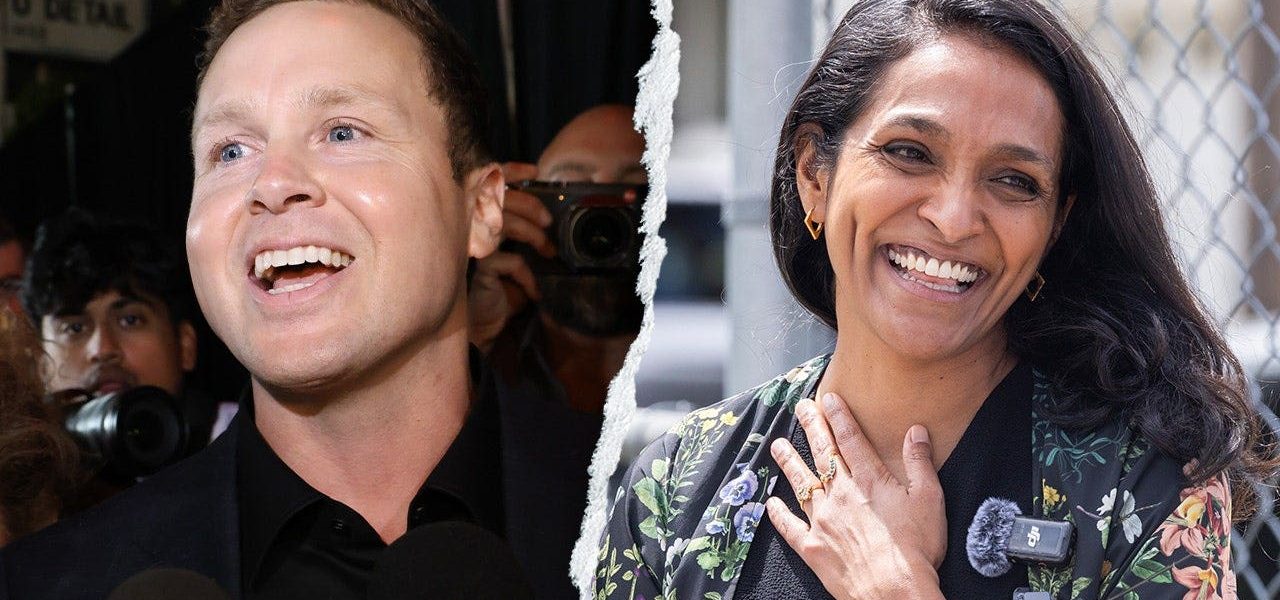
POLICY WIRE — Los Angeles, USA — When did the ballot box become a sequel to a reality television show? Not subtly, but with a brazen kind of spectacle, America once again finds itself captivated by an election result so painfully close, so bizarrely headlined, that it feels less like governance and more like primetime drama. The latest installment features Spencer Pratt, a name more commonly associated with televised antics than policy debates, now a political near-miss, caught in an agonizing count that’s whittled his advantage to an almost comical sliver.
It’s not just some local peculiarity, either. This drama unfolds in a political landscape already jittery, where every outcome feels amplified, each whisper of a ballot an omen. We’re watching a real-time civics lesson play out, messy — and slow, with all the precision of a broken clock. The latest update? Spencer Pratt’s runner-up edge over Democrat Raman down to 1%, with a mere few thousand ballots left to tally. A sliver. A breath. The whole damn thing hinges on that. It’s enough to make a seasoned journalist — or anyone who’s ever bothered to vote — reach for a strong brew. [QUOTE_PLACEHOLDER]
But why is this happening? You gotta ask. This isn’t a one-off. It’s part of a broader, global narrative where established political structures are being nudged—sometimes shoved—aside by… well, by anyone with enough name recognition or online presence to shake things up. It’s a trend that echoes from the barrios of Brazil to the hallowed halls of Westminster. Voters, it seems, are increasingly disinclined to reward conventional candidates. And, let’s be honest, who can blame them sometimes?
Look at the numbers. A 2023 study from Harvard’s Institute of Politics indicated that just 36% of young Americans (aged 18-29) felt confident in their government’s ability to address significant challenges. That’s a sharp decline from past decades. This sort of skepticism creates a vacuum, ripe for anyone perceived as an ‘outsider’ or, indeed, an ‘entertainer,’ to step in and capture the disaffected. They’re not looking for answers sometimes, they’re looking for a mirror. And that’s what Pratt represents for some, I’d bet. A mirror, or maybe just a distraction.
This situation—a popular culture figure coming within a hair’s breadth of winning a significant political role, his fate decided by a vanishingly small margin—it’s not exclusive to California or America. In nations across South Asia, for instance, political theater often overshadows substantive policy debates. Elections in places like Pakistan are frequently marked by charisma, dynasty, and the potent appeal of figures who promise change, even if those promises are more about style than substance. The recent election cycles in that part of the world have also shown how quickly public sentiment can shift, often swayed by perceptions of personality rather than meticulously crafted platforms. It’s a global language, this flirtation with unconventional leadership, this yearning for a disruptor.
And so, here we’re. Waiting for some final count to determine whether a reality star will transition from critiquing fellow celebrities to grappling with municipal budgets or, heaven forbid, actual legislation. The outcome, though confined to a single electoral district, reflects a wider unease. It speaks to a populace deeply fatigued by politics-as-usual, actively seeking alternatives—however unlikely. Or maybe, just maybe, it’s about the primal human joy of an underdog story, regardless of the stakes.
📄 POLICY WIRE WHITEPAPER PUBLISHED: PAKISTAN'S NATIONAL SECURITY POLICY PRIORITIES
👉 READ BY CLICKING HEREThis particular episode highlights an electorate that’s restless, ready to embrace the unpredictable. It isn’t about ideologies anymore, or not just that. It’s about engagement, about shaking the foundations. And it’s working, if ‘working’ means generating headlines. The very fact that this race is Spencer Pratt’s runner-up edge over Democrat Raman down to 1%, just a few thousand ballots, it’s telling. It’s telling about where we’ve been and, terrifyingly, where we might be headed.
You can see it in how every vote is now scrutinized, how every procedural hiccup becomes a headline. That’s because the perceived stakes are through the roof. It’s about trust, about legitimacy. These close races erode faith in systems if not handled transparently, if the outcomes don’t feel earned. The brutal poetry of sudden slips is a common theme now. It keeps you glued to the news feed, scrolling, waiting. That’s the modern electoral cycle, folks. It’s a drama, endlessly unfolding.
What This Means
This seemingly localized electoral cliffhanger, starring an unconventional political aspirant, casts a long shadow over the efficacy and evolution of democratic processes. Economically, such high-profile, uncertain contests can inject short-term volatility into local markets and planning, as businesses and investors dislike ambiguity. Politically, the implications are far more profound. It normalizes celebrity candidacies, forcing traditional politicians to adapt or risk obsolescence. We’re likely to see more ‘brand over substance’ campaigns, emphasizing social media savvy and direct voter engagement over nuanced policy debates. The ‘cult of personality’ isn’t new, but its digital manifestation is evolving at warp speed, giving unprecedented reach to unlikely figures. For established political parties, this race serves as a stark warning: voters are actively—and aggressively—looking beyond the usual suspects. It’s a reminder that political legitimacy, much like celebrity, is now often manufactured through engagement and relatability, not just institutional credibility. And that’s a whole new ball game, isn’t it?