


The Brutal Poetry of the Sudden Slip: Fleetwood’s Ohio Near-Miss and The Politics of Unforeseen Outcomes
POLICY WIRE — Dublin, Ohio — They say fortune favors the bold, but sometimes, it’s just plain cruel. Or, perhaps, ruthlessly logical. That’s what played out at the rain-soaked Memorial...

POLICY WIRE — Dublin, Ohio — They say fortune favors the bold, but sometimes, it’s just plain cruel. Or, perhaps, ruthlessly logical. That’s what played out at the rain-soaked Memorial Tournament, where a presumed victor’s narrative crumbled, illustrating a universal truth: advantage is fleeting. It wasn’t about the grand titans expected to duke it out—your McIlroys, your Schefflers—it was about a sudden, disorienting stumble from a frontrunner and the cold, unyielding rise of a dark horse.
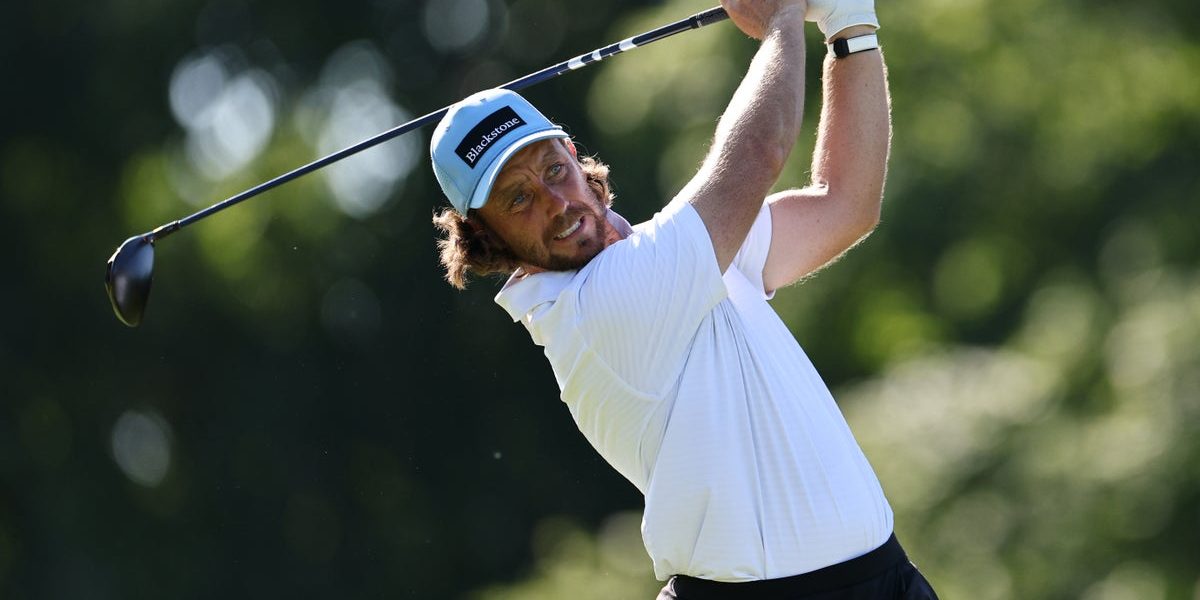
Tommy Fleetwood, for a moment there, held it all. A story of mastery, you might’ve thought, was writing itself on the verdant greens of Muirfield Village. His eagle at the 15th hole wasn’t just a shot; it was a declarative statement, shoving him out in front in the home straight. A leader, momentarily. You could almost feel the collective sigh of a betting public bracing for the inevitable. [QUOTE_PLACEHOLDER]
But golf, like geopolitics, loves its plot twists. Just two holes later, the rug—or perhaps the turf—got yanked. A bogey. And like that, the meticulous architect of his own destiny found himself relegated to an observer. JT Poston — and Ryan Gerard, previously playing second fiddle, had finished two shots ahead on 12 under par. Then, Poston, with a calm that belied the circumstances, held his nerve after two holes in the play-off. That’s the sort of cool under pressure you don’t always see, especially when the stakes climb higher than mere tournament glory.
For days, the buzz had been thick, practically suffocating. All eyes at the start of the week in Ohio had been on Masters champion Rory McIlroy and world number one Scottie Scheffler. We were, weren’t we, anticipating a clash of titans? Scheffler was trying to equal Tiger Woods’ feat of winning this tournament three years in a row. History, or so it felt, was waiting to be made by established names. Ultimately, McIlroy — and Scheffler had to settle for a share of joint-12th. Talk about a fizzle. Their final rounds of 68 — and 71 respectively just weren’t enough. Because sometimes, the script flips entirely.
The play on Saturday had to halt, a messy interruption that could have unspooled anyone’s focus. Poston — and Gerard were both on nine under on the sixth green then. Poston, though, managed to improve his total to 12 under once round three was concluded on Sunday morning. Gerard was four shots back, with Sam Burns claiming third at seven under. Fleetwood — and American Wyndham Clark rounded out the top five on six under. Small margins, aren’t they, shaping large outcomes?
And when McIlroy began his final round with three consecutive birdies, you almost believed the established order might right itself. But trouble lay further ahead. Poston, quietly, stubbornly, remained leader until that dramatic back nine. A birdie for Burns at the ninth and bogey for Poston increased the pressure, suddenly forging a four-way share of the leader. Then, that brief flash of brilliance from Fleetwood with his 15th-hole eagle. It was short-lived, that momentary dominance, with Clark able to join Fleetwood on 11 under before another bogey from the Englishman sealed his fate. He carded 68 to finish on 10 under. A slip. A single mistake. That’s all it takes, often, to unravel carefully built positions.
📄 POLICY WIRE WHITEPAPER PUBLISHED: PAKISTAN'S NATIONAL SECURITY POLICY PRIORITIES
👉 READ BY CLICKING HEREGerard went out alone with a stunning 37-feet putt, a heroic effort for a fleeting lead, but Poston held his nerve on the 18th with a birdie to force a play-off. The 482-yard par-four 18th hole was required for the play-off, a true test of mental fortitude. Both recorded par at the first time of asking. But Gerard needed five shots next, — and that was it. Poston clinched his first win of 2026, according to official circuit records from PA. An improbable champion in a contest where certainty seemed to vanish faster than a rain delay.
What This Means
This isn’t just about a golf tournament. It’s a parable for political dynamics, really. The idea that a frontrunner—holding a seemingly secure advantage—can see it all evaporate with one ill-timed stumble resonates far beyond the fairways. Think about it: electoral races, delicate diplomatic negotiations, even the fragile economic reforms in, say, Pakistan. There, you might see a government finally clawing back some fiscal stability, only for an unforeseen external shock or a single domestic miscalculation—a literal ‘bogey’—to wipe out months of hard-won progress, potentially plunging millions back into uncertainty. The global economic landscape is fraught with such vulnerabilities, where one commodity price dip or an unexpected political upheaval in a key trading partner can have cascade effects.
The rise of Poston, a relative dark horse, also serves as a potent reminder for incumbent powers. Established giants like Scheffler or McIlroy might command attention and dominate headlines, but it’s the quiet, persistent pressure, the ability to ‘hold his nerve’ under sudden stress, that ultimately clinches the prize. It’s a dynamic visible in developing geopolitical alliances too; established blocs can sometimes overlook the emerging, more agile players until they suddenly find their once-unquestioned dominance challenged. You see it across the Muslim world, from Cairo to Kuala Lumpur, where younger, less traditional voices and movements are slowly but surely chipping away at long-standing political norms. It’s less about brute force or celebrity, more about resilience and the ruthless efficiency of exploiting fleeting opportunities. What happens on a golf course, it turns out, isn’t always so different from what plays out in parliament or around a negotiating table. And because even the mightiest can slip, leaders, economic planners, — and politicians would do well to remember that.