


Friction at the Fault Line: Mamdani’s ‘Abolish ICE’ Stance Keeps Democratic Leaders on Edge
POLICY WIRE — New York City, USA — It wasn’t the policy brief a sitting Assemblyman typically frames as a hill to die on. Yet, here we’re, watching Assemblyman Zohran Mamdani push for...

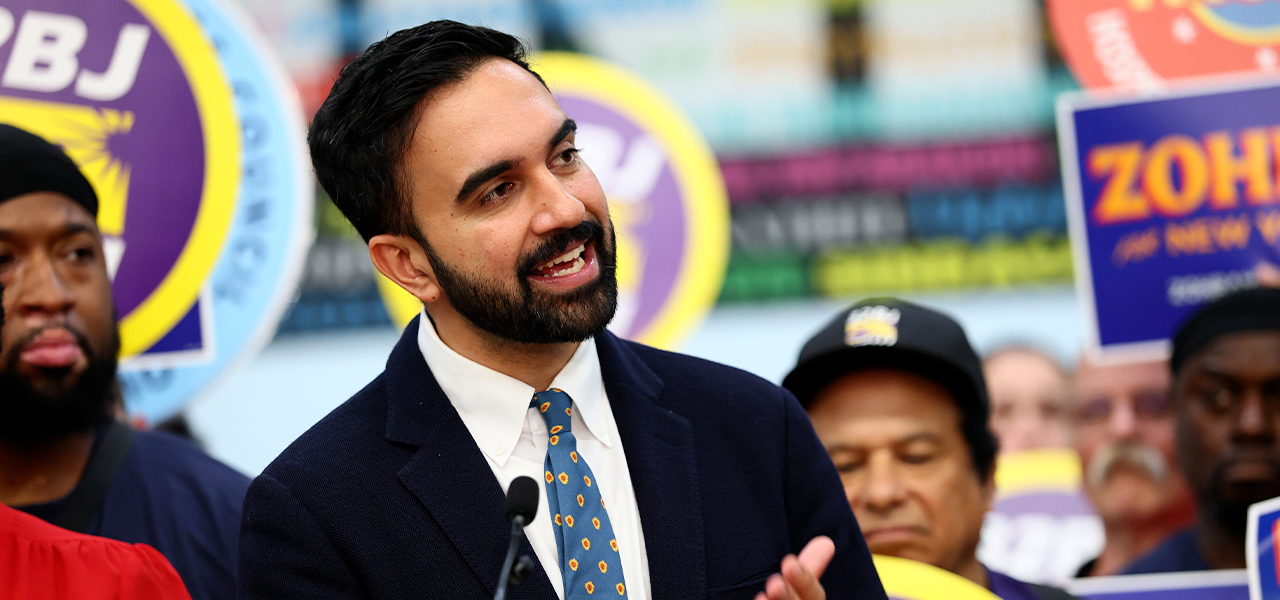
POLICY WIRE — New York City, USA — It wasn’t the policy brief a sitting Assemblyman typically frames as a hill to die on. Yet, here we’re, watching Assemblyman Zohran Mamdani push for something so sharp, so seemingly outlandish to the Democratic Party’s established hierarchy, it’s like tossing a lit match into a carefully arranged stack of dry policy papers. He’s talking ‘Abolish ICE,’ and senior party figures—the ones who run things, make the rules, raise the big money—aren’t exactly thrilled.
It’s an inconvenient truth for a party trying hard to look unified, particularly on issues of national security and border management, which tend to be Republican strongholds. But Mamdani, representing Astoria, Queens, doesn’t seem to care much for convenient truths. He just keeps on, pushing a radical flank that the establishment would rather gently ignore or, failing that, quietly suffocate. But that’s proven tough to do here. Very tough.
Sources close to Democratic Party leadership describe internal dialogues ranging from exasperation to outright panic regarding how to manage this growing progressive drumbeat. [QUOTE_PLACEHOLDER] they’ve apparently muttered, more than once, over lukewarm coffee and cold bagels at early morning strategy sessions. It’s not just a New York problem; similar dynamics are playing out in progressive enclaves across the nation, making old-guard Democrats itch with discomfort. They’ve got general elections to win, after all, and slogans like ‘Abolish ICE’ don’t exactly poll well in swing districts where folks are generally more concerned about keeping a lid on the price of milk or dealing with city potholes.
But because Mamdani’s constituents often hail from communities directly impacted by immigration policies, his rhetoric resonates. For many families from Pakistan, Bangladesh, and other South Asian and Muslim-majority nations, the operations of Immigration and Customs Enforcement aren’t abstract policy debates—they’re personal narratives of separation, fear, and shattered dreams. Think of the diaspora, communities spread across continents, held together by invisible threads of family and culture, yet constantly aware of the bureaucratic leviathan that could snatch a loved one away. A 2023 report from Syracuse University TRAC found that immigration detention averaged 30,000 to 40,000 people per day in fiscal year 2023, representing a significant number of individuals and families caught in this system. That’s a staggering human cost, folks.
So, when Mamdani stands up — and calls for fundamental change, he’s not just spouting academic theory. He’s echoing the anguish of his neighbors. You’d think the party would at least acknowledge that part of the equation, right? Maybe, but conventional politics usually moves slower than molasses in winter, and real talk about systemic overhauls sometimes just sounds like noise to those comfortable within the system. They’d prefer incrementalism, a bit of tweaking around the edges.
His uncompromising posture, some say, mirrors a broader youth movement less tethered to traditional party loyalty and more aligned with tangible social justice outcomes. This isn’t just about ICE; it’s a proxy battle for the very soul of the Democratic Party—will it continue its centrist drift, or will it embrace a bolder, more progressive vision that sometimes feels at odds with electability? The question itself is enough to make many old-timers reach for the Tums. Or something stronger.
📄 POLICY WIRE WHITEPAPER PUBLISHED: PAKISTAN'S NATIONAL SECURITY POLICY PRIORITIES
👉 READ BY CLICKING HEREAnd Mamdani’s office has certainly heard the rumblings from within the party establishment. There have been calls, suggestions, thinly veiled threats, one can assume. [QUOTE_PLACEHOLDER] has reportedly been conveyed, a soft whisper here, a sharp warning there. But the Assemblyman appears utterly unfazed by these ‘concerns.’ It’s as if he’s decided the internal squabble is less important than the principle. An admirable, if politically vexing, position to take. Or, perhaps, a shrewd calculation about which way the progressive wind is ultimately blowing. We don’t really know for sure, do we? This could also be a strategic move to establish himself as a leader of the party’s left wing, a role that often pays dividends in political fundraising and activist support, even if it irks leadership. It’s a gamble, absolutely. But it’s one he’s clearly comfortable making.
It’s plain to see Mamdani isn’t looking to find common ground with those who’d prefer he temper his calls. He’s digging in. The Democratic Party, as an entity, now faces an awkward choice: continue to push back against a growing internal current, potentially alienating a passionate base, or—heaven forbid—start actually engaging with proposals once considered far beyond the pale. This isn’t a one-off. It’s a systemic fracture, a genuine split between those who want to tinker and those who want to tear it all down and rebuild.
What This Means
This particular political spat isn’t just local gossip; it has serious reverberations. For the Democratic Party, it illustrates a deepening ideological chasm that threatens to complicate future election cycles. Moderate candidates might find themselves forced to take stances on ‘Abolish ICE’ that alienate either their progressive base or crucial swing voters, leaving them vulnerable. It could very well exacerbate internal battles over resources and endorsements, pushing primary races to the left in ways that challenge the national party’s broader electoral strategy.
Economically, if Mamdani’s proposals were ever to gain significant traction, a complete restructuring or dismantling of an agency like ICE would involve considerable fiscal implications, both in terms of transitioning functions and potentially creating new, more community-based services to handle immigration processes. It would certainly spark a colossal debate over federal spending priorities, and what that might mean for national security budgets or other social programs. For immigrant communities, particularly those from South Asia and the wider Muslim world, the political courage displayed by figures like Mamdani could represent a symbolic shift—a glimmer of hope for more humane and less punitive immigration systems, but it also carries the risk of a backlash that could tighten, rather than loosen, existing restrictions. And let’s be honest, it brings an emotional release to families, doesn’t it? The relief of knowing someone’s speaking your truth can’t be overstated. This ongoing tension is indicative of broader shadows of retaliation and volatility in policy-making, where one bold move often begets an equally fierce counter-move. It forces a conversation that many in power have preferred to avoid for too long. Ultimately, these are the skirmishes that shape the national dialogue, and potentially, future policy, for better or for worse.