

Shadows of Retaliation: Israel’s Quiet Strike Pushes Mideast to the Brink
POLICY WIRE — Tel Aviv, Israel — It arrived with a whimper, not the expected bang. For days, the region braced itself, collective breaths held hostage to speculation. Everyone knew Israel would hit...

POLICY WIRE — Tel Aviv, Israel — It arrived with a whimper, not the expected bang. For days, the region braced itself, collective breaths held hostage to speculation. Everyone knew Israel would hit back at Iran; the only questions were how hard, — and when. When the moment came early Friday, it wasn’t the apocalyptic firestorm many had prophesied, but a precise, almost surgical response.
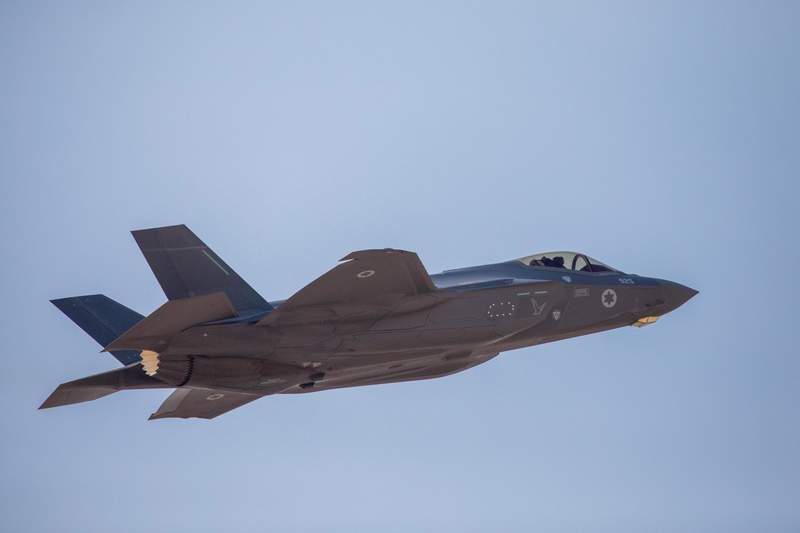
Early Friday’s targeted strikes in western and central Iran, confirmed with terse brevity by the Israel Defense Forces (IDF), were designed, it seems, to send a message rather than start a war. Not a grand, sweeping declaration, you understand. More like a whispered threat in a dimly lit alley. The official line from Tehran was even more understated—Iran’s state media largely downplayed the incident, reporting intercepted drones and minimal damage. But that doesn’t change what happened, does it? Something definitely went boom.
It’s a peculiar dance, this undeclared warfare. Israel chose targets seemingly calculated to showcase capability without forcing an inescapable Iranian counter-retaliation. Observers are still parsing the impact on military facilities near Isfahan — and Tabriz. The message? We can hit you, deep inside. And, we know exactly where. It’s a game of chicken played with hypersonic missiles and—perplexingly—carefully chosen restraint. Or, perhaps, carefully chosen provocations that hint at much more.
The geopolitical chessboard remains ridiculously volatile. For its part, Iran’s state broadcaster claimed air defense systems had engaged “three drones” over Isfahan. Such narratives, crafted for domestic consumption, aim to portray calm and control, even as their adversaries clearly pierced their air space. And make no mistake, despite the diplomatic niceties and calls for de-escalation from world leaders—they’re all terrified. Absolutely. Bloody. Terrified. The ramifications of an all-out regional conflagration are too nightmarish to contemplate.
“We’ve got an obligation to safeguard our citizens,” remarked Israeli Defense Minister Yoav Gallant earlier this week, an assertion he might well have uttered again, tacitly, in the strike’s wake. “That means sending a very clear message. We don’t mince words. Or actions, for that matter.” It’s a classic hawkish posture, of course. Never admit everything, but ensure the point is taken. On the Iranian side, Foreign Minister Hossein Amir-Abdollahian dismissed the attacks as trivialities. “This ‘strike’?” he mused, in comments to state media, minimizing the event. “More like a child’s firecracker. They tried to spook us, didn’t they? Tehran remains steadfast. This triviality won’t deter us from our path.” You can hear the bluster, can’t you? It’s thick in the air, practically suffocating.
The incident follows weeks of escalating tit-for-tat exchanges, beginning with Israel’s alleged strike on an Iranian consulate in Syria, which killed several high-ranking IRGC officers, and culminated in Iran’s unprecedented direct missile and drone assault on Israel. This current, measured response feels almost anticlimactic by comparison—a sigh of temporary relief, certainly, but nobody’s truly exhaling yet. The situation continues to be a tightly wound spring, liable to snap back at any moment, doesn’t it?
📄 POLICY WIRE WHITEPAPER PUBLISHED: PAKISTAN'S NATIONAL SECURITY POLICY PRIORITIES
👉 READ BY CLICKING HEREThis episode casts a long shadow across the wider Muslim world, particularly in South Asia. Nations like Pakistan, itself a nuclear power and with its own fraught relationship with regional stability, watch with a deepening sense of dread. Islamabad, often caught in the delicate balancing act between its Saudi allies and its neighbor Iran, understands the implications. Any prolonged or intensified conflict impacts global oil markets, potentially throttling fragile economies and exacerbating existing internal grievances across the Muslim crescent. Pakistan’s strategic thinkers aren’t just reading headlines; they’re gaming out supply chain disruptions, refugee crises, and the further radicalization of factions within their own borders. A single skirmish in Isfahan reverberates with potentially explosive consequences thousands of miles away.
Because, really, when superpowers poke at each other, the rest of us just hold on tight. For instance, according to recent International Atomic Energy Agency (IAEA) reports, Iran’s enriched uranium stockpile stands at an astounding 27 times the limit set by the defunct 2015 nuclear deal. That’s a stark reminder of the underlying, unnerving reality driving much of this region’s aggressive posturing. And the stakes, as ever, couldn’t be higher. It’s a regional chess match played with very sharp pieces.
What This Means
This latest round of shadowboxing doesn’t just pass quietly into the night. It rearranges the diplomatic furniture. Politically, the restraint shown by Israel, intentional or not, buys the international community—especially the U.S. and its allies—a sliver of breathing room. It forestalls immediate, widespread calls for direct military intervention, keeping Western boots out of what’s already a hopelessly convoluted mess. But it does little to solve the core animosities.
Economically, markets are like a jumpy colt right now. Oil prices, after an initial spike following the strike, have somewhat settled, but that’s a fleeting calm. Any further escalation would send them spiraling, gutting consumer confidence and hitting inflationary pressures across the globe. We’re talking direct impact on gas prices in Ohio, food prices in Karachi, — and everything in between. The uncertainty alone stifles investment and creates palpable anxiety in trade routes, not least through the vital Strait of Hormuz. the constant threat distracts from other pressing issues, like efforts to contain Russia’s war in Ukraine or address mounting climate concerns. It’s all connected, you know? One fire only serves to fan others.