

The Silent Reckoning: Middle East Plays a Dangerous Game of Tit-for-Tat
POLICY WIRE — Tel Aviv, Jerusalem — It’s often the lack of a mushroom cloud, the quiet restraint following bellicose threats, that truly signals the shift in a geopolitical chessboard. Forget...

POLICY WIRE — Tel Aviv, Jerusalem — It’s often the lack of a mushroom cloud, the quiet restraint following bellicose threats, that truly signals the shift in a geopolitical chessboard. Forget the fire and fury—we’re witnessing a cold, calculated game unfold across the Middle East. When reports began trickling out, then solidifying, about Israeli strikes hitting western and central Iran, the air didn’t fill with explosions as much as with a collective, anxious breath across capitals globally. It wasn’t the kind of bang that makes headlines; it was a whisper, deliberate and pointed, aimed squarely at Tehran’s resolve, or lack thereof. This whole dance has devolved, hasn’t it, into a grim spectacle of retaliatory gestures.
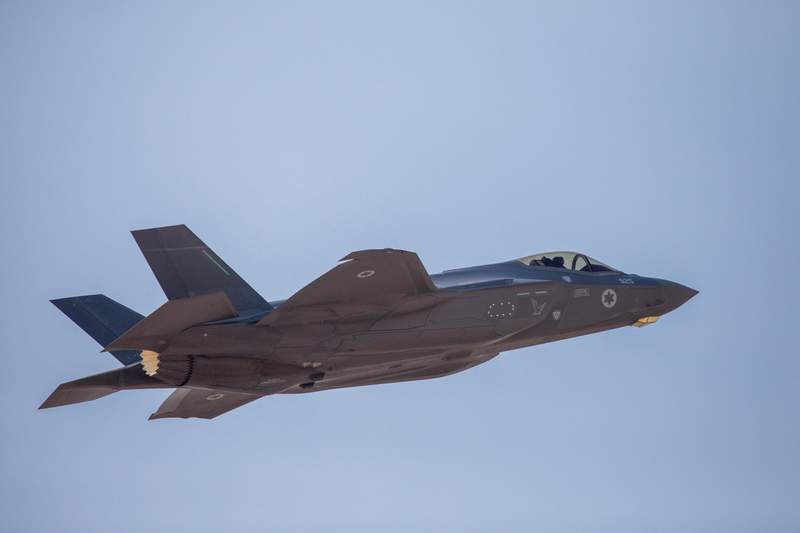
For weeks, the region has been a tinderbox, its fuse trimmed but still dangerously short. After an apparent Israeli strike in Damascus took out some high-ranking Iranian military figures, Iran responded with a sprawling barrage of missiles and drones that mostly, blessedly, got intercepted. But that move, massive in its scope, fundamentally altered the rules of engagement. Israel had vowed its own comeback, leaving everyone on edge—and boy, did they deliver a nuanced, if chilling, reply. But it’s this subtle messaging that’s the real threat. It says: we can get to you, anywhere, any time, even with all your fancy air defenses. It’s a very specific, tactical communication, delivered not through diplomats but through precision munitions. They know how to speak that language.
But this isn’t just about Tehran — and Tel Aviv; the tremors of this latest escalation reach far and wide. Imagine you’re sitting in Islamabad or Jakarta right now, watching your screens. The concern isn’t just the immediate blast radius—it’s the chilling effect on global oil prices, the potential disruption to trade routes vital for developing economies, and the exacerbation of sectarian divides that always seem to simmer just beneath the surface in the broader Muslim world. Because let’s be honest, instability here tends to create headaches for everyone from Karachi to Cairo.
Israel’s defense establishment, specifically the IDF, confirmed these strikes. But they’re staying pretty mum on specifics. What a surprise. You won’t find them crowing about it from the rooftops. That’s part of the play. Keep the opponent guessing. Keep them isolated. [QUOTE_PLACEHOLDER]. They aren’t trying to ignite a full-scale regional war, not yet, anyway. They’re making a statement: we can penetrate your air defenses and target facilities, perhaps even those with civilian cover, without completely incinerating your capacity to retaliate in kind. That’s a power move. It’s less about destruction — and more about deterrence through demonstration.
This subtle escalation puts regional allies — and adversaries in an incredibly awkward spot. Pakistan, for instance, a nation with its own delicate geopolitical balancing act between its historical ties with various Islamic nations and its strategic interests, watches these events with a profound sense of apprehension. An open conflict in the Middle East—one that truly goes off the rails—would send shockwaves through their economy, their domestic politics, and their relationship with both Western and Arab powers. And for a country grappling with its own internal challenges, another external crisis is the very last thing anyone wants. We’re not talking about some abstract policy debate; we’re talking about tangible impacts on everything from wheat prices to employment figures.
A United Nations Development Programme report from 2021 already outlined how deeply interconnected the global economy is, with a mere 1% increase in global oil prices potentially leading to an average 0.3 percentage point reduction in GDP for oil-importing developing countries. You don’t have to be an economics wizard to see how that scenario, if unchecked, just crushes ordinary folks who are already struggling to make ends meet. That’s the cold reality of these geopolitical chess matches—real people get caught in the middle.
They’ve set the new precedent, it seems. And now, the ball’s back in Iran’s court. But what’s their next move? A calculated retreat? Another proportionate (or disproportionate) response? It’s not an easy call, is it? Each tit has received its own tat. One might wonder when, if ever, this morbidly predictable sequence will cease. The entire region, indeed the world, is waiting to see if common sense or reckless pride wins out. It’s a high-stakes poker game, but nobody seems to like the cards they’ve been dealt. For more on regional stability and the broader political landscape, check out When Silence Speaks: Israel’s Retort and the Region’s Anxious Breath.
What This Means
This measured Israeli response, as quiet as it might seem on the surface, isn’t about pulverizing targets. It’s a very specific, carefully calibrated signal of capabilities and intent, deliberately avoiding an overt, large-scale provocation that Iran could leverage for broad regional support. The political implication here is that both sides, despite the rhetoric, understand the devastating consequences of full-blown, unchecked warfare. They’re engaging in a form of strategic communication—a dangerous dialogue conducted through the deployment of force, where each action tests the other’s red lines and response thresholds. This particular volley from Israel demonstrates a capacity to bypass sophisticated air defense systems and strike deep within Iranian territory, challenging Tehran’s perceived invulnerability without directly hitting nuclear facilities—an act that would guarantee a cataclysmic escalation.
Economically, the message is equally clear but more insidious: uncertainty is the new normal. For global markets, every such exchange injects another dose of volatility into crude oil futures — and shipping lanes. Companies will continue to factor this heightened risk into their logistical and investment strategies across the Middle East. It’s a premium of anxiety they’re forced to pay. What this means for countries like Pakistan, and other nations heavily reliant on imported energy or regional stability for trade, is an almost certainly continued struggle against inflationary pressures and economic stagnation. Any flicker of calm, any notion of predictable energy prices, simply vanishes with each successive round of this long, drawn-out confrontation. We aren’t looking at an immediate economic collapse, but a gradual, corrosive erosion of stability. But, this kind of veiled aggression doesn’t offer solutions, just more precarious maneuvering.