

Northeast’s Tempest Echoes Global Climate Debt as Infrastructure Groans
POLICY WIRE — Washington, D.C. — America’s Northeastern seaboard, typically a picture of economic might and predictable seasonal shifts, has once again been peeled back by forces of nature,...

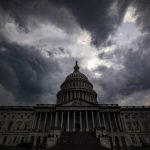
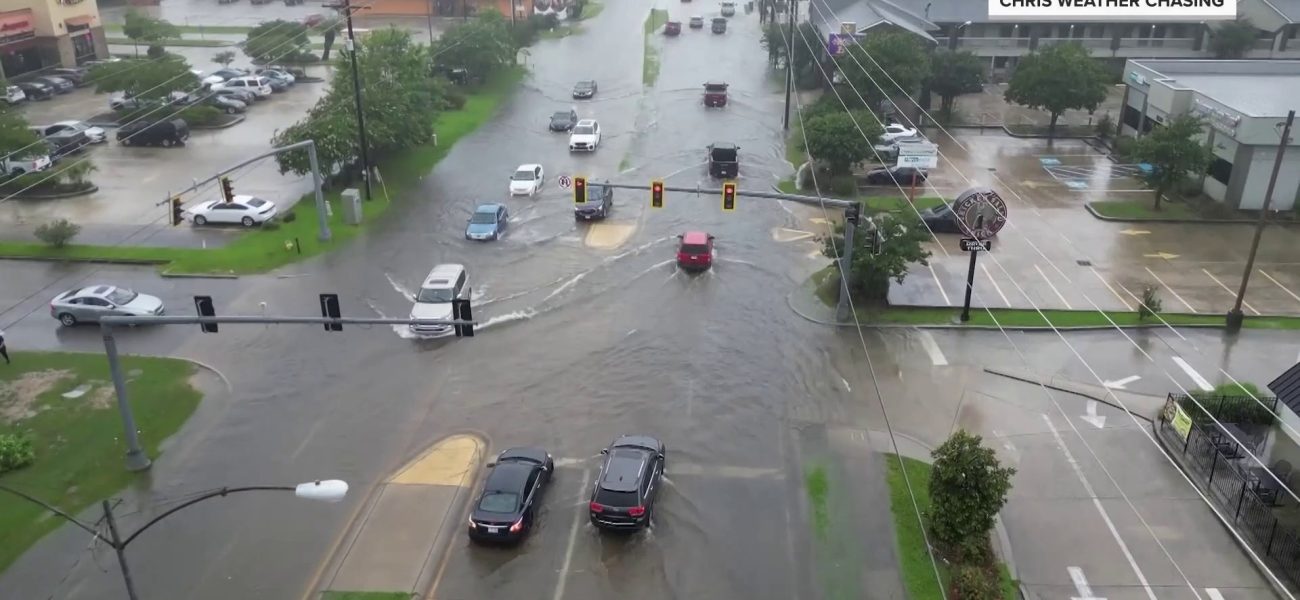
POLICY WIRE — Washington, D.C. — America’s Northeastern seaboard, typically a picture of economic might and predictable seasonal shifts, has once again been peeled back by forces of nature, exposing not just the land beneath but the raw nerves of its aging infrastructure and perhaps, the collective attention span of its leadership. We’re not talking about a quaint autumn drizzle here; this latest meteorological tantrum wasn’t subtle. It was a sledgehammer, delivered with relentless ferocity across states usually considered impervious to such widespread, grinding disruptions.
For millions—yes, millions—this past week offered a rude awakening. Or, more accurately, several rude, power-outage-inducing awakenings. The official count has barely begun, yet the tally of darkened homes and snarled commutes quickly spiraled into numbers one usually associates with emerging economies grappling with rudimentary power grids. Here, in the land of technological supremacy, an oversized puddle and a bit of wind manage to send large swathes of the population back to the era of oil lamps and prayer. It makes you wonder if our digital prowess masks an analog fragility. You’d think after countless declarations about infrastructure deficits, someone would have actually fixed something, rather than just talking about it. And yet, here we’re, again.
It’s not just the inconvenience, though tell that to the family trying to keep infant formula cold without power for three days. It’s the economic bleed. The supply chain hiccups—already a sore point for businesses—got another, frankly gratuitous, kick in the teeth. Fresh produce wilted. Remote work became impossible for those without robust battery backups. Small businesses, still trying to catch their breath from other economic anxieties, had their operations suspended indefinitely. The cumulative impact? A subtle, corrosive tax on productivity that most economic models probably gloss over, dismissing it as [QUOTE_PLACEHOLDER] or [QUOTE_PLACEHOLDER]. But it’s real, and it stings.
What’s truly disconcerting, if one allows for a moment of detached observation, is the recurring nature of this particular drama. Each time the sky decides to empty its emotional reserves, the reaction is the same: shock, dismay, then a quick return to baseline once the lights come back on. It’s a cyclical amnesia, really. Our nation’s response to such events often mirrors a peculiar brand of political over-caution—or perhaps, simply an allergy to difficult long-term investments. This constant cycle, this sort of reactive rather than proactive governance, feels distinctly familiar. One can almost see parallels in a place like Pakistan, where the annual monsoon season often triggers widespread flooding, displacing millions and severely impacting agricultural yields, all while long-term climate adaptation strategies remain perpetually underfunded and politically fraught. But at least they’ve the excuse of immense developmental challenges. What’s ours?
The numbers don’t lie, even if our political discourse sometimes does. A recent study, for instance, by the National Oceanic and Atmospheric Administration (NOAA) indicated a 75% increase in the annual frequency of billion-dollar weather and climate disaster events in the United States over the last two decades compared to the 1980s. That’s not just an uptick; that’s a structural shift demanding a commensurate shift in strategy, not just rhetoric. We’re building bigger walls when the ocean itself is rising. That won’t do.
📄 POLICY WIRE WHITEPAPER PUBLISHED: PAKISTAN'S NATIONAL SECURITY POLICY PRIORITIES
👉 READ BY CLICKING HEREWe’re living in an era where global climate patterns are clearly, irrevocably altered. Nations across the South Asian subcontinent, with their dense populations and reliance on agriculture, face existential threats from extreme weather, yet often possess fewer resources to mitigate its effects. It’s a different scale of catastrophe there, admittedly, but the fundamental challenge is the same: a planet recalibrating its weather patterns, indifferent to our annual budgets or election cycles. For us, here in the Northeast, the challenge is simply the refusal to accept that our reality is changing. We treat these storms as isolated incidents, flukes, rather than symptoms of a systemic planetary fever. That’s a mistake we can’t afford to keep making.
What This Means
These intense weather patterns aren’t merely inconveniences; they’re direct, escalating taxes on American competitiveness and resilience. Economically, repeated infrastructure failures translate into untold billions in lost productivity, repair costs, and rising insurance premiums—all ultimately borne by taxpayers and consumers. The lack of proactive, nationwide infrastructure hardening also creates a drag on attracting new investment, as businesses increasingly factor climate risks into their locational decisions. Think of the enormous efforts involved in nation-building, the sort of bold island bid gambits played out in geopolitical arenas; yet, when it comes to defending our own literal home front against predictable, intensifying threats, we seem to prefer a policy of studied neglect.
Politically, the continuous failure to adequately prepare for and respond to such predictable (in aggregate, if not in specifics) events erodes public trust. Voters see their power flickered out, their commutes stalled, and their municipal services overwhelmed, yet the larger, structural problems remain stubbornly unaddressed. It exposes a worrying chasm between the urgent realities of a changing climate and the glacial pace of legislative action. This isn’t just about storms; it’s about the efficacy and future credibility of governance itself in an increasingly unpredictable world. For the average person, it’s just plain frustrating. We deserve better. And we probably need to demand it, a bit more loudly, the next time the lights go out.