


Beyond the Placards: France’s Fraying Nerves and the Ghosts of Republic Past
POLICY WIRE — Paris, France — The quiet, insistent tap of rain on pavement often precedes a storm, but in France, it now feels more like the drumbeat before another mournful procession. Last...

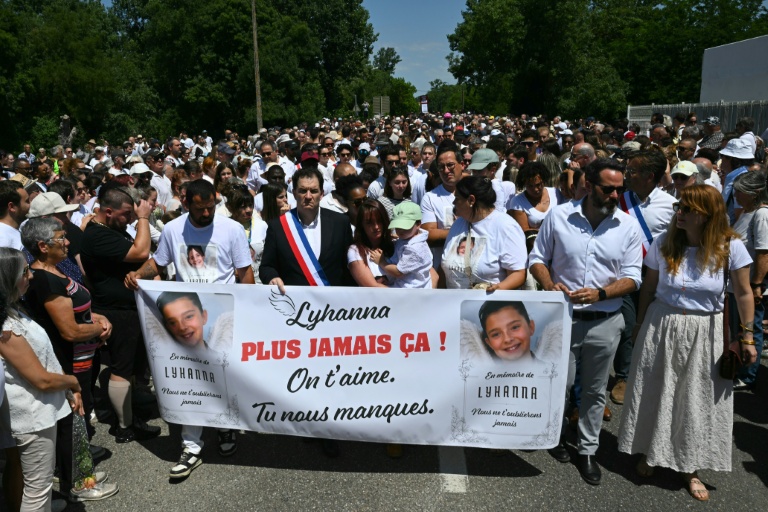
POLICY WIRE — Paris, France — The quiet, insistent tap of rain on pavement often precedes a storm, but in France, it now feels more like the drumbeat before another mournful procession. Last Saturday, thousands poured into a city not named, their footsteps echoing a grim, all too familiar cadence: that of national outrage following the senseless killing of a young girl. It wasn’t just a march for justice; it was a visible symptom of something much more corrosive festering beneath the Republic’s polished surface.
No, this wasn’t some grand celebration, or a tourist’s dream of Parisian charm. This was grim faces, hushed conversations, and placards screaming ‘Never again!’ It’s a sentiment we’ve heard before, sadly, every time a tragedy punctures the thin veneer of national stability. But here’s the thing: each ‘never again’ feels a little more hollow than the last, doesn’t it?
But beyond the immediate shock, the collective despair hanging heavy in the air suggests a nation weary—perilously so. It isn’t just about a single act of horror, as awful as it was. It’s about what such acts reveal, laying bare the profound anxieties churning within French society: questions of security, integration, and the state’s very capacity to protect its most vulnerable. Because when a child is brutally murdered, especially in circumstances that become instantly politicized, it tears at the societal contract. Folks, they feel it, they truly do.
“We can’t afford to just shake our heads anymore. The people demand answers, and they demand protection,” asserted Justice Minister Alain Lefevre, speaking from his office – a quote likely issued with the kind of carefully calibrated outrage perfected by career politicians. “Our institutions must be unyielding. No crime against our children will go unpunished; that’s a promise we must uphold.” He didn’t have much choice but to say that, did he? Yet, for many on the streets, words have become cheap currency.
The anger brewing isn’t new. For years, there’s been a simmering discontent, particularly in communities grappling with socio-economic disparities and what many perceive as a failure of governmental policy—or perhaps just plain indifference. This latest tragedy, it just lit the fuse on an already volatile situation. A recent poll by INSEE (the National Institute of Statistics and Economic Studies) found that over 65% of French citizens reported feeling less safe in their daily lives than they did five years ago. That’s a lot of anxious citizens, trust me.
And then there’s the international reflection, the mirror France holds up to nations thousands of miles away. Just look at the anguish expressed in Pakistan’s media, for instance, when incidents of violence against women or minors there make headlines. The global outrage, the desperate calls for systemic change – they echo the very sentiments heard in Paris. It’s a painful universality to these injustices, isn’t it? One can’t help but draw parallels, observing how societies, regardless of geography or dominant culture, struggle with safeguarding their innocents, particularly when systemic issues intersect with crime.
📄 POLICY WIRE WHITEPAPER PUBLISHED: PAKISTAN'S NATIONAL SECURITY POLICY PRIORITIES
👉 READ BY CLICKING HERE“France isn’t just facing a crisis of justice; it’s confronting a crisis of identity,” stated Opposition Leader Marine Dubois, never one to let a serious moment pass without making a pointed political observation. “Our national unity, our very way of life, feels under attack from within. This isn’t about one community or another; it’s about reclaiming our streets, our culture, for all French citizens.” Her words, predictably, resonate with those who see stricter immigration controls and a firmer hand on law and order as the only path forward. You’ve heard it all before, I’m sure.
What This Means
This latest outcry isn’t just a fleeting moment of sorrow; it’s a political tremor, strong enough to shake existing power structures. For the Macron government, already battling a perception of detachment and a raft of domestic challenges—everything from pensions to international kerfuffles—this episode just amplifies the pressure. It makes their tightrope walk even more precarious. The public demands tangible action, not just soothing rhetoric. But what action, precisely?
Economically, persistent social unrest can deter investment, slow consumer spending, — and generally dampen confidence. Who wants to put their money or their future in a place that feels increasingly fractured? Politically, it certainly fuels the populist right, handing them potent ammunition to push their agenda of national preference and stringent security measures. Because when people feel unsafe, they often vote for whoever promises the firmest hand, don’t they? This isn’t just about French politics; it’s about a continent-wide shift, where anxieties like these translate into real electoral gains for parties many might have once dismissed. Look at how Europe’s political landscape is constantly being reshaped by such concerns. This girl’s killing, in a grim twist, might just become another, tragic, accelerant for that trend. And that’s something no one can afford to ignore.