


Monaco Meltdown: Antonelli Seizes Control Amidst Track Carnage and Penalties
POLICY WIRE — MONACO — It was less a grand prix, more an urban demolition derby on Sunday, leaving behind a trail of smashed carbon fiber, furious drivers, and asphalt fragments. But as the lavish...

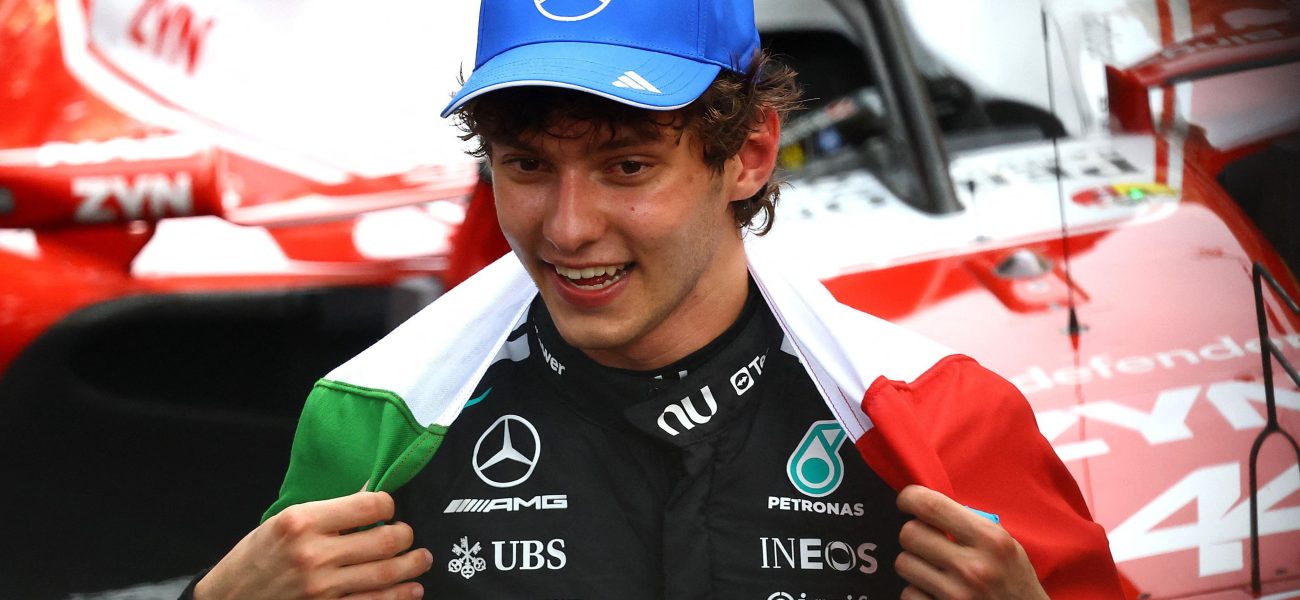
POLICY WIRE — MONACO — It was less a grand prix, more an urban demolition derby on Sunday, leaving behind a trail of smashed carbon fiber, furious drivers, and asphalt fragments. But as the lavish facade of Monte Carlo gave way to outright pandemonium, a nineteen-year-old Italian, Kimi Antonelli, glided through the chaos with an almost unsettling calm, securing his fifth consecutive victory and, effectively, putting a stranglehold on the world championship. Don’t let the champagne sprays fool you; this was less about precision driving and more about surviving an elaborate, high-speed game of dodgeball.
The streets of the principality, famed for their glamour, instead offered up crumbling surfaces and a record-breaking string of pit lane penalties. The final tally showed six drivers—a quarter of the grid, mind you—caught speeding where it really counts, the pit lane. It wasn’t just a tough day; it felt like a collective breakdown of protocol, the kind you typically only see at your local council meetings, not on a global stage like this.
Antonelli’s Mercedes, meanwhile, barely broke a sweat, or so it seemed from his composure. He converted pole position into an unchallenged lead, leaving perennial contender Lewis Hamilton and the rest of the field to wrestle with what increasingly resembled a municipal construction zone. After the flag, Hamilton—driving for Ferrari these days—acknowledged the winner’s command performance. “It was one of those weekends, wasn’t it?” Hamilton quipped, his tone a cocktail of frustration — and admiration. “Kimi drove a phenomenal race, absolutely no doubt about that. We kept ourselves in the fight, which is important, but there’s a good deal of work ahead if we’re truly going to catch up, particularly when the track decides to eat itself.”
Because that’s what happened, wasn’t it? Two safety cars, one red flag, — and a surface that appeared to disintegrate at the famous Antony Noghes corner. George Russell, Antonelli’s teammate, saw his championship hopes evaporate under the pressure of a baffling drive-through penalty for a pit lane infringement that had him finishing thirteenth. It’s a cruel game, this one.
And through it all, Antonelli maintained a lead that grew to an absurd twenty seconds before a full-course yellow mercifully condensed the field. He told reporters afterward, radiating confidence without a hint of arrogance, “It was one of those days where we had incredible pace. It was just coming all so natural. The car was feeling incredible — and was just giving me the confidence to push.” He wasn’t done, though. “The job isn’t finished. It’s still a long season. We’re going to keep pushing — and keep raising the bar. The goal is to keep performing like this.” The kid knows how to deliver a soundbite.
The results paint a grim picture for anyone hoping for a truly competitive title fight. Antonelli now leads the championship by an imposing 66 points over Hamilton, a margin typically seen much later in the season. That’s nearly three full race wins clear of the chasing pack, according to official F1 standings.
📄 POLICY WIRE WHITEPAPER PUBLISHED: PAKISTAN'S NATIONAL SECURITY POLICY PRIORITIES
👉 READ BY CLICKING HEREWhat This Means
This Monaco race, a showcase of excess and supposed precision, unwittingly exposed a fragile underbelly—not just of its track surface, but perhaps of the very narrative of consistent dominance in high-performance sports. While Antonelli’s mastery is undeniable, the chaotic nature of the event highlights the ever-present variables, the human and technical frailties that can upend even the best-laid plans. From an economic perspective, Monaco’s glitzy stage provides significant ‘soft power’ benefits for European brands and industries. But the sport itself continues its aggressive push into markets beyond its traditional European base. Take the growing presence of races in the Middle East—Bahrain, Saudi Arabia, Qatar—places investing heavily in sports and culture to diversify economies and enhance global perception.
For nations like Pakistan or those across South Asia, where the allure of such global spectacles is immense, this westward gaze continues. The significant investments from the Muslim world in European sports —be it F1 or football clubs—represent a deeper integration into the global leisure economy, signaling a shifting financial landscape and new spheres of influence. While no current track graces Pakistani soil, the increasing global broadcast reach of F1, especially its digitally native consumption, cultivates aspirational interest far beyond traditional viewing figures, subtly drawing new regions into its economic and cultural orbit. You’ve got to watch these trends, because they’re not just about cars; they’re about capital, influence, and the reshaping of global narratives.
With sixteen races remaining, the F1 circus heads to Barcelona next weekend. The circuit racing calendar is about to kick into high gear, suggesting perhaps that F1’s organizers hope volume will smooth over any lingering doubts about track integrity or race management. But, as we’ve seen in Monaco, sometimes the chaos is the main event. Maybe they need to pave the track with a bit more foresight next time, eh? Otherwise, expect more expensive spectacles ending in tears, literal — and metaphorical.