


Cairo’s Illusory Calm: As Gaza Bleeds, Diplomatic Wheels Spin Again
POLICY WIRE — Cairo, Egypt — They’re at it again. The same polished delegates, the same carefully worded communiqués, the same coffee service. Here in Cairo, diplomatic chess pieces are pushed...

POLICY WIRE — Cairo, Egypt — They’re at it again. The same polished delegates, the same carefully worded communiqués, the same coffee service. Here in Cairo, diplomatic chess pieces are pushed across tables yet again, an almost theatrical performance meant to halt what never really stops: the relentless churn of violence in Gaza. But even as the gilded halls echoed with the murmur of renewed ceasefire negotiations, Israel launched strikes that killed at least nine Palestinians, turning the supposed truce talks into little more than a macabre counterpoint to the explosions still rattling the strip.
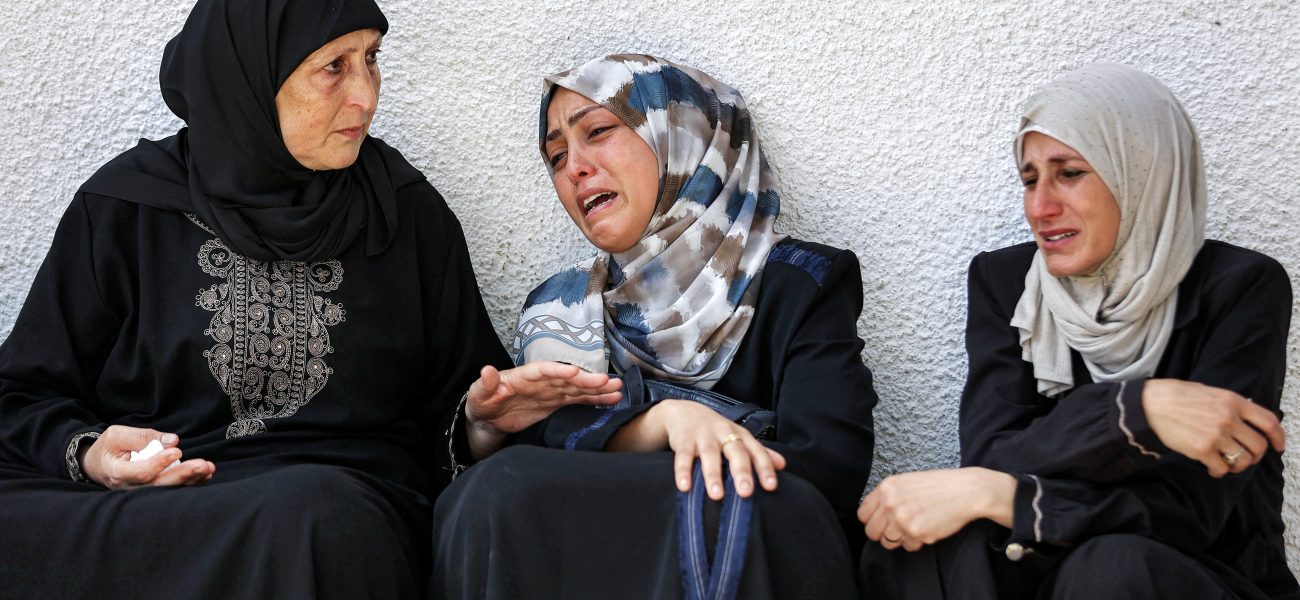
It’s an old play, isn’t it? One side retaliates, the other escalates, and then, always, somehow, everyone ends up back in Egypt’s capital, pretending this time it’ll stick. And meanwhile, the streets of Gaza bleed. This latest round of death arrived with the brutal efficiency that has become horrifyingly commonplace, hitting residential areas. Sources from local hospitals, the ones still standing and operational (which aren’t many), quickly confirmed the casualties. Children among them. They’ve seen this script before, too.
Hamas, naturally, declared these strikes a ‘blatant aggression,’ an unprovoked attack designed to derail any semblance of de-escalation. Israel’s security apparatus, conversely, claimed the operations targeted ‘militant infrastructure’ and ‘key operational figures’ responding to earlier rocket fire from the enclave. But the details often get lost in the tragic mathematics. Because what truly matters to the mothers in Gaza isn’t the geopolitical maneuvering; it’s the body bags.
“Israel will always act decisively to protect its citizens from terror,” said Israeli Defence Minister Yoav Gallant, his statement, likely crafted with surgical precision, reaching media outlets globally. “These operations aren’t punitive; they’re preventative, essential for our security posture. Any talks must acknowledge this fundamental right.” It’s the usual refrain—self-defense, security—trotted out every time blood is spilled, irrespective of who’s doing the spilling first this round.
Across town, or maybe across a world, Ambassador Nabil Fahmy, former Egyptian Foreign Minister, offered a different perspective. “Cairo extends its hand because someone must. But real peace? It demands courage from all sides, a willingness to see beyond immediate tactical gains,” he mused, no doubt with an almost weary tone. “Otherwise, we’re just managing an ever-deepening crisis.” And aren’t they? Just managing, not solving. This time, Egypt’s General Intelligence Directorate, ever the quiet broker, hosted representatives from Hamas, Islamic Jihad, and senior Israeli security officials—the same faces, the same entrenched positions, just re-shuffled.
📄 POLICY WIRE WHITEPAPER PUBLISHED: PAKISTAN'S NATIONAL SECURITY POLICY PRIORITIES
👉 READ BY CLICKING HEREThe stakes? Release of Israeli hostages, a significant easing of the blockade on Gaza, and a comprehensive cessation of hostilities. Ambitious, bordering on quixotic, when missiles are still flying. They’re haggling over the price of human lives and political concessions, a grim bazaar conducted under tight diplomatic secrecy. One report, circulated by the United Nations Office for the Coordination of Humanitarian Affairs (OCHA), confirmed that in just the last quarter, over 60% of all aid entering Gaza still faces significant logistical and bureaucratic hurdles, exacerbating an already dire humanitarian crisis.
This persistent violence reverberates far beyond the Levant, don’t forget. In capitals like Islamabad — and Jakarta, public sentiment often simmers, fueled by images of suffering in Gaza. Political leaders in Muslim-majority nations feel immense pressure to act, to condemn, to somehow change the narrative. But what can they do, really? Their protests often amount to strongly worded statements and appeals to international bodies already too overwhelmed or too impotent to make a difference. Pakistan, for instance, has consistently reiterated its unwavering support for the Palestinian cause, its parliament often passing resolutions demanding an end to what they term ‘Israeli aggression.’ But concrete influence? It’s a scarce commodity. A nation like Pakistan, itself navigating regional complexities, knows all too well the limitations of diplomatic outreach when entrenched power dynamics dictate terms. But solidarity is still a powerful currency for some.
What This Means
The latest spasm of violence coupled with the performative nature of these Cairo talks paints a grim picture. Politically, Prime Minister Netanyahu’s government gains an opportunity to demonstrate resolve to a hardline base, especially as domestic pressures mount. Militarily, Israel tests red lines, trying to degrade perceived threats while managing international opprobrium. For Hamas, the strikes serve as both a rallying cry and a tragic justification for continued resistance, regardless of civilian cost. And on the economic front, Gaza remains a broken place, its infrastructure pulverized, its economy non-existent, reliant on aid that’s often delayed or insufficient. The destruction doesn’t just hit buildings; it craters livelihoods. And the grim arithmetic of suffering just keeps adding up, with every bomb and every failed negotiation. These cycles, they don’t just happen; they’re the direct result of an international community that’s more adept at issuing condemnations than enforcing peace. It’s a strategic paralysis that benefits precisely no one, except perhaps those who thrive on chaos — and division.