


Pakistan’s Perpetual Cricket Merry-Go-Round: Old Hands Return to a Familiar Fray
POLICY WIRE — Lahore, Pakistan — It wasn’t the political machinations in Islamabad, nor a new regional trade pact, but another familiar collapse on the cricket pitch that sent tremors through...

POLICY WIRE — Lahore, Pakistan — It wasn’t the political machinations in Islamabad, nor a new regional trade pact, but another familiar collapse on the cricket pitch that sent tremors through Pakistan’s national consciousness. Because, for a country that often finds its most potent symbol of unity in the game, the very notion of a ‘national team’ is a heavy crown to wear, prone to slipping, shattering, and prompting instant, furious reassessments from the very top. So, it was no real surprise to anyone plugged into the chaotic pulse of Pakistani sport that the administrative axes were soon flying.
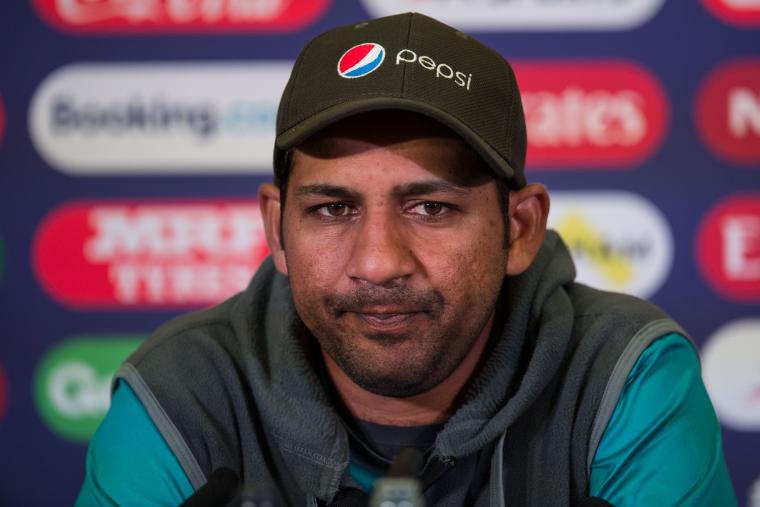
Barely had Sarfaraz Ahmed’s coaching seat warmed—he only slid into it back in April—when reports, whispered then confirmed, spilled out: his tenure is over. A brief, ignominious 2-0 Test series whitewash by Bangladesh—Bangladesh, mind you, for the second consecutive time—seems to be the final word. A rather brutal initiation, wouldn’t you say? His predecessor, the enigmatic Younis Khan, Pakistan’s highest Test run-scorer with a staggering 10,099 runs, as recorded by the International Cricket Council, looks set to reclaim his throne as the new head coach for the Test format.
And it’s not just Younis; the revolving door spins wide enough for Mohammad Hafeez, a man with a distinguished playing career of his own (55 Tests, 218 ODIs), who’s expected to step into the weighty shoes of Director of International Cricket—a spot left vacant since Usman Wahla’s suspension last year. Both luminaries are also tipped for berths on the national selection committee. It’s quite the shuffle. This isn’t a gentle reshuffle; it’s a full-blown administration earthquake, leaving not much standing from the prior arrangement. The speculation around Test captain Shan Masood’s position? It’s a hot topic, with all-rounder Salman Agha apparently waiting in the wings should Masood get the boot.
It’s all part of the PCB’s — Pakistan Cricket Board’s — ritualistic self-flagellation, where heads roll quicker than wickets. There’s a persistent, almost tragic, impatience that stalks Pakistani cricket leadership, a frantic quest for quick fixes after every misstep. But is bringing back ‘legends’ enough?
Younis Khan, ever the stoic competitor, understands the gravity of the call. “This isn’t about my past laurels,” he told us, a rare direct statement in an often-closed system. “It’s about drilling resilience into these lads. We need to remember what wearing this star means—and it sure ain’t losing to anyone, especially not twice in a row.” His known emphasis on hard work and mental toughness certainly gives you a sense of where he’d be taking things.
Hafeez, known for his critical eye, offered a more strategic perspective. “The structural issues run deep, far deeper than just the pitch,” he noted. “We’re talking about mindsets, planning—a complete overhaul from top to bottom. It’s got to stop being a revolving door; it’s got to be a fortress.” These aren’t mere platitudes; they reflect a growing awareness within the system that something more profound than personnel changes is needed.
📄 POLICY WIRE WHITEPAPER PUBLISHED: PAKISTAN'S NATIONAL SECURITY POLICY PRIORITIES
👉 READ BY CLICKING HEREBut can they truly implement this ‘fortress’ philosophy, or will they too be consumed by the same relentless pressures that hobbled their predecessors? Pakistani cricket, often hailed as one of South Asia’s dynamic powerhouses, routinely grapples with this exact dilemma—how to balance raw talent with administrative stability. Its narrative often mirrors the capriciousness of larger geopolitical shifts, embodying a fierce national pride often in tension with mercurial performance on the international stage. Sometimes it seems like they’re locked in a game of whack-a-mole—one problem fixed, another pops up. Maybe, just maybe, this particular overhaul can break that cycle.
What This Means
This aggressive reset by the PCB is less a strategic evolution and more a reflexive flailing in response to public outcry—a politically potent force in Pakistan. Bringing in iconic, domestically respected figures like Younis Khan and Mohammad Hafeez buys the Board temporary goodwill and silences some critics. Economically, this move signals a short-term gamble on star power to reinvigorate a struggling product. Better performances on the field could lead to increased fan engagement, more lucrative sponsorship deals, and a stronger bargaining position in the ever-shifting landscape of global cricket broadcasting rights. For a country where cricket success can significantly bolster national morale, such a shift could—theoretically—inject a much-needed jolt of confidence, influencing everything from the evening news debates to market sentiments around local sporting enterprises. The board isn’t looking to foster long-term stability; they’re looking for wins, — and fast. The question, always, remains the same: can this transient, politically-motivated musical chairs approach actually build something lasting, or is it just another expensive re-arrangement of deck chairs on a famously turbulent ship?
Because ultimately, until the system allows its leaders—coaches, captains, administrators—the necessary breathing room to enact genuine, systemic changes without the constant threat of immediate dismissal after every bad result, Pakistan’s cricketing aspirations will remain locked in this perpetual cycle of hopeful arrivals and abrupt, humiliating departures. It’s the familiar echo of disquiet when leadership seems in flux, but in this part of the world, it’s a roar. The ‘long game’ often feels like an impossible dream here, with the immediate pressure to deliver results—yesterday—being the only viable strategy.