

The Quieter Front: New Mexico’s Bid for Community Respite Amidst Climate Anxiety
POLICY WIRE — Corrales, New Mexico — It’s hard to reconcile the scent of freshly caught trout with the rising drone of global anxieties. Yet, here we’re. In a small New Mexico village,...

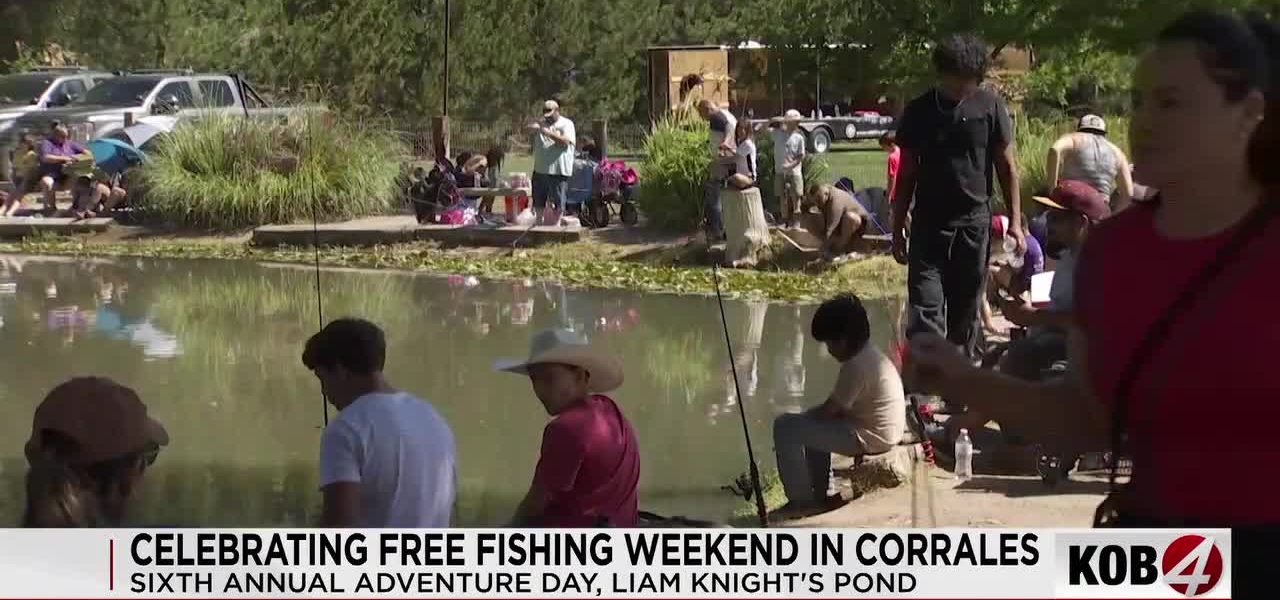
POLICY WIRE — Corrales, New Mexico — It’s hard to reconcile the scent of freshly caught trout with the rising drone of global anxieties. Yet, here we’re. In a small New Mexico village, children clutch fishing poles while international crises, once distant echoes, now pound relentlessly at the door. On Saturday, Corrales didn’t fret over oil prices or geopolitical maneuvers; it offered its sixth annual free fishing weekend, a momentary reprieve, a communal deep breath.
While Washington, D.C., continues its convoluted policy debates—ones that often feel as removed from everyday American life as the arid plains of the Middle East—Corrales put its bets on a simpler strategy: engaging its younger generation with nature. Liam Knight Pond became a focal point, not for a protest, but for elementary joy. They were catching fish, seeing wildlife, just being kids. And you know, sometimes that simplicity hits harder than any analyst’s prognosis. [QUOTE_PLACEHOLDER]
It’s an interesting juxtaposition, isn’t it? As leaders grapple with the specter of water scarcity across swaths of the Muslim world—places like Pakistan, where climate change increasingly threatens agricultural livelihoods and internal displacement is a grim reality—this little community in the American Southwest is working to instill an appreciation for the finite resources of a freshwater pond. But maybe, just maybe, these aren’t opposing narratives but two sides of the same rapidly warming coin.
Organizers are already dreaming bigger for next year. And why not? These small, almost unremarkable gatherings provide more than just recreation. They’re quiet affirmations of community resilience, proof that even when the outside world feels like it’s fraying at the seams, some threads still hold tight. People also took part in archery — and pellet gun ranges as part of the day’s activities. Little archers and shooters—future citizens, right? Maybe even future policy shapers, though probably not by then-President of Pakistan. But it makes you wonder about the long game.
The original report from KOB.com succinctly stated: Celebrating free fishing weekend in Corrales. It really doesn’t get much more to the point. But the undercurrents are strong. Consider the backdrop: New Mexico, much like Pakistan’s agricultural heartlands, confronts severe climate challenges. In 2022, for example, the National Drought Mitigation Center reported that over 90% of New Mexico was experiencing some level of drought. That statistic, it’s not just a number on a chart; it’s the soil underfoot, the water in Liam Knight Pond, the very air you breathe.
Policy often feels distant, detached. But here, on the banks of a community pond, it’s about making a day accessible to everyone, giving kids a memory that might—just might—make them care a bit more about environmental stewardship down the line. It’s a localized, ground-level policy choice, executed without pomp or press conferences. Just free fishing. No, they aren’t directly solving global climate change here. But they’re fostering connections.
📄 POLICY WIRE WHITEPAPER PUBLISHED: PAKISTAN'S NATIONAL SECURITY POLICY PRIORITIES
👉 READ BY CLICKING HEREThis isn’t just about a good time, mind you. These local efforts often operate on the fringes of broader societal issues. But if we can’t manage our own backyards, how can we expect to engage constructively on the global stage? Especially when places like Pakistan face down monumental climate threats, the need for sustainable community models becomes starkly evident. It’s all interconnected, every small town, every arid landscape.
The sixth annual Outdoor Adventure Day, with its promise of free fishing, prizes for young fishers and hands-on outdoor activities, was simple. Almost stark in its understatement. It brought families together. That’s the key, isn’t it? Bringing people together, for something good, something local, something real. Because it’s the small, granular experiences that build the foundation for a more engaged, a more responsible, citizenry. This, perhaps, is the truer, less reported policy lesson of the day.
What This Means
Corrales’ modest outdoor event, in the shadow of mounting global complexities, points to a fundamental policy choice: prioritizing accessible, community-based recreation as a bulwark against broader anxieties. While headlines scream about economic downturns or geopolitical flashpoints, these local initiatives subtly bolster civic engagement and cultivate an early appreciation for natural resources. This isn’t merely about angling for sport; it’s about casting lines into a generational pond, hoping to reel in future stewards of an increasingly fragile planet.
Economically, such free, publicly supported events reduce barriers to entry for low-income families, providing much-needed social capital without requiring significant personal outlay. Politically, they can foster a sense of belonging and civic pride, often bridging divides more effectively than top-down governmental decrees. We saw families here, for instance, enjoying themselves with what amounts to a negligible public investment, particularly when you compare it to the spiraling costs of, say, global conflict. In an era where trust in institutions seems to be eroding like riverbanks after a storm, events like Corrales’ Outdoor Adventure Day—Corrales brought families together for its sixth annual Outdoor Adventure Day with free fishing, prizes for young fishers and hands-on outdoor activities—can serve as powerful, tangible reminders of effective local governance. For more on how local actions reflect broader policy challenges, you might read The Dry Haze Over New Mexico: A Local Forecast Echoing Global Climate Fault Lines. These efforts provide critical—if overlooked—counterpoints to the narratives of decline, acting as small, yet significant, anchors of normalcy and community well-being in an otherwise turbulent world. For all the discussions about national strategies and international aid, sometimes the most profound impact stems from simple access, offered freely, at a community pond. But it takes policy-makers willing to see the value in such small, persistent investments.