


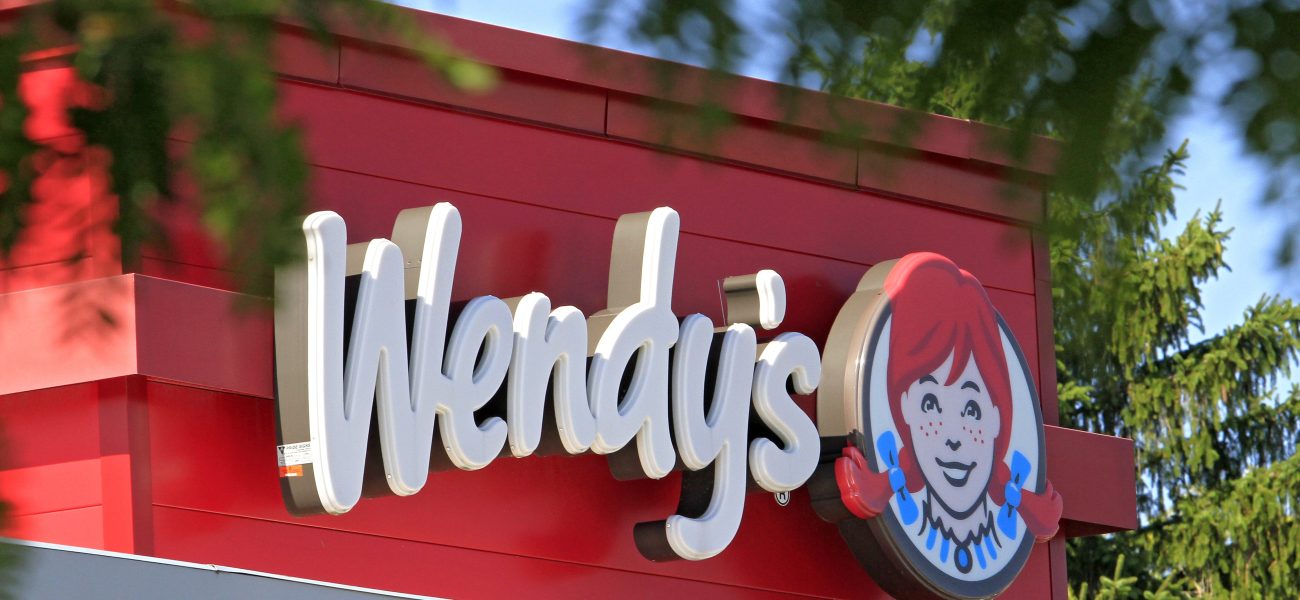
The Ghost in the Drive-Thru: America’s Casual Dining Chains Face Existential 2026
POLICY WIRE — Washington, D.C. — You don’t often notice the silence until it’s really loud. For years, the American culinary soundtrack has been the clatter of trays, the sizzle of...

POLICY WIRE — Washington, D.C. — You don’t often notice the silence until it’s really loud. For years, the American culinary soundtrack has been the clatter of trays, the sizzle of fryers, and the incessant hum of cheerful, if artificial, ambience emanating from our chain restaurants. Now, a different tune’s starting to play: the low, mournful whir of closing signs. Come 2026, it seems that familiar melody will be replaced by an unnerving quiet in hundreds of locations across the country, a stark reality setting in for an industry that once seemed impervious to change.
It’s not just another blip in the restaurant cycle; something feels fundamentally different this time. We’re witnessing a seismic shift—a slow, deliberate erosion of what used to be dependable pillars of suburban life. What’s going on? Well, industry pundits and financial prognosticators are mumbling about a confluence of factors, a perfect storm brewing over America’s dining tables, but the common thread seems to be that consumer preferences have started evolving faster than these giants can adapt. Maybe it’s not always about convenience anymore. People are looking for… more.
Because frankly, the economic squeeze is tightening its grip everywhere, from your weekly grocery bill to the wages of the folks flipping burgers. Businesses, large — and small, are grappling with what one analyst ominously called [QUOTE_PLACEHOLDER]. They’re talking about sky-high ingredient costs, a labor market that’s perpetually on edge, and supply chain headaches that feel less like occasional migraines and more like chronic conditions. The National Restaurant Association’s own data paints a stark picture: the average profit margin for a full-service restaurant hovers at a precariously thin 6%, a statistic that’s remained stubbornly low even as operational costs have surged by over 8% year-over-year, according to their 2024 State of the Industry report. That doesn’t leave much wiggle room for a bad quarter, let alone a series of them.
But it’s more than just the money crunch, isn’t it? Consumer habits, they’ve gone through a massive overhaul post-pandemic. We’ve all gotten a little too comfortable with DoorDash and Uber Eats—a convenience that’s great for us, not so much for the economics of brick-and-mortar dining rooms. And then there’s the creeping realization that maybe those pre-packaged, mass-produced flavors aren’t cutting it anymore. Maybe people want something a little more authentic, a touch more bespoke.
This isn’t just an American phenomenon either. You look at cities like Lahore or Karachi, where traditional eateries—sometimes generations old—continue to thrive right alongside international fast-food giants. The demand for authentic, regional flavors there’s robust, unwavering, — and culturally ingrained. But even those markets aren’t immune to the winds of change. Global economic fluctuations, the rising cost of staples like oil and gas—they’re all factors that ripple outwards, eventually impacting the price of a chapli kebab or a chicken karahi. Imagine if America’s reliance on convenience had always been tempered by that deeply rooted cultural preference for home-cooked or local, perhaps the current landscape might look a bit different. One has to wonder what happens when a generation raised on uniform experiences suddenly craves diversity.
But the biggest hurdle for these sprawling empires might just be that the younger generations—your Gen Z, your early millennials—aren’t looking for a cookie-cutter experience. They’re opting for experiences over mass production, often supporting local spots or experimenting with new cuisines. You’ll see a young professional shelling out for an artisanal coffee but balking at the price of a standardized chain lunch. It’s a contradiction that keeps brand managers up at night.
📄 POLICY WIRE WHITEPAPER PUBLISHED: PAKISTAN'S NATIONAL SECURITY POLICY PRIORITIES
👉 READ BY CLICKING HEREAnd what does this mean for the vast ecosystem built around these chains? Think of the supply contracts, the thousands of minimum-wage jobs, the commercial real estate they anchor. When a big brand pulls out of a town, it leaves more than just a vacant building. It leaves an economic crater. A gaping hole in what was once considered a robust local economy. It impacts everything, doesn’t it?
What This Means
The impending closure of hundreds of chain restaurant locations in 2026 isn’t merely a business story; it’s a stark economic indicator with profound policy implications. Firstly, expect a further hollowing out of suburban commercial districts. These closures represent significant job losses, predominantly among entry-level and hourly workers, a demographic that already faces considerable economic insecurity. This could exacerbate local unemployment rates and strain social safety nets, forcing municipal governments to confront revitalizing ghost-mall corridors. Real estate investors holding properties anchored by these very chains are also bracing for impact, anticipating falling rents and increased vacancies. This structural shift reflects a broader consumer repudiation of bland uniformity in favor of perceived value, authenticity, or hyper-specialization—a trend politicians ignore at their peril.
Politically, the narrative of a struggling Main Street often resonates deeply. Local politicians might face pressure to introduce incentives for small businesses or to rezone areas for mixed-use development, moving away from car-centric, single-purpose commercial zones. But this transition isn’t easy; it demands creative urban planning — and significant public investment. Economically, it signifies a broader deflationary pressure on some service sectors while inflationary pressures persist on core goods—a peculiar dichotomy. the shrinking footprint of U.S.-based chains could inadvertently clear space for more independent, diverse culinary ventures. This isn’t just about what’s on the menu; it’s about the resilience of local entrepreneurship against the globalized, often faceless, corporate machine. The shift hints at an underlying fragmentation of American consumer identity, perhaps even mirroring the current political landscape—less homogeneity, more niches.
For markets like Pakistan, where global franchises are seen as status symbols and markers of modernity, these American struggles offer a subtle cautionary tale. While the appetite for brands like McDonald’s or KFC remains strong in Karachi — and Lahore, the U.S. closures suggest that even the biggest names aren’t immune to changing tastes or economic headwinds. It emphasizes the need for local businesses everywhere to constantly innovate and connect authentically with their communities. This isn’t just about economic policy or food trends; it’s a reflection of how societies choose to gather, consume, and define their everyday lives in an increasingly volatile world. The pressures that create an ‘economic trap’ for the U.S. food sector, with its unique blend of labor costs, supply chain woes, and changing demographics, will inevitably ripple outwards, impacting how companies approach expansion in complex international markets.