


Couric Unmasks Cutthroat Newsroom: The Cold Calculus of Primetime Power
POLICY WIRE — Washington, D.C. — The flickering red light of a studio camera doesn’t just signify being on air; it signals the start of a silent, brutal game of thrones, where careers hang by...

POLICY WIRE — Washington, D.C. — The flickering red light of a studio camera doesn’t just signify being on air; it signals the start of a silent, brutal game of thrones, where careers hang by threads thinner than a teleprompter’s font. Behind the composed smiles and authoritative voices of network news lies a landscape less about journalistic integrity and more about bare-knuckle corporate maneuverings. It’s a realm where titans fall, sometimes spectacularly, sometimes with the quiet rustle of a termination letter.
Take, for instance, the recent clarity from broadcasting stalwart Katie Couric. She’s pulled back the curtain, not on a scoop, but on an organizational skirmish. Not a word-for-word account of a live broadcast mishap, but an admission regarding a former colleague that speaks volumes about who truly holds the levers of influence in major media operations. What was previously whispers—fodder for industry blogs—now has a name attached, an acknowledgment from an anchor whose own career navigated the choppy waters of public opinion and corporate whims. But it ain’t new. [QUOTE_PLACEHOLDER]
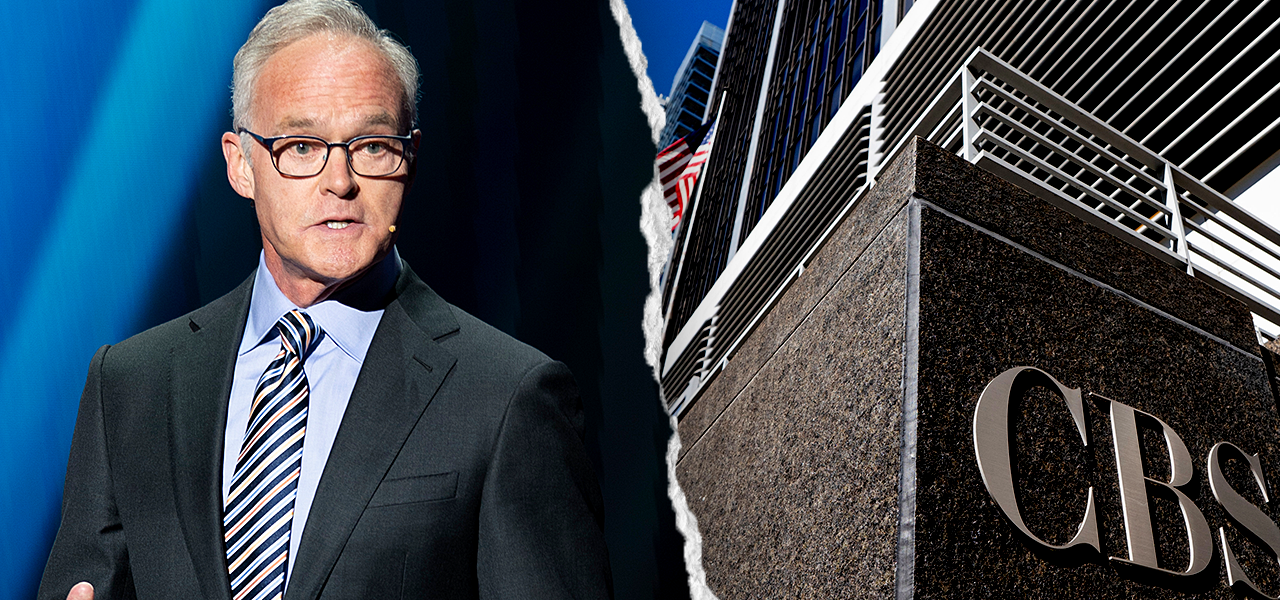
It turns out that even for figures like producer Bari Weiss, navigating the shark-infested waters of CBS during Couric’s run at the Evening News desk was a task fraught with peril. There are layers of bosses, endless metrics, — and the ever-present threat of falling ratings. Couric’s perspective wasn’t one of judgment, but rather of grim understanding: Weiss, it seems, faced an unenviable choice—a corner so tight, a situation so constricted, that it left no obvious escape. The phrase Couric used suggests an almost mechanical inevitability to it: Bari Weiss had no other recourse but to terminate the employment of correspondent Scott Pelley following a significant internal clash. One doesn’t simply walk into the eye of a hurricane — and emerge unscathed; someone’s bound to get wet. Or worse, fired.
Pelley, of course, went on to anchor the Evening News himself. Which, honestly, adds a rich, dark layer of irony to the whole situation. It suggests that even the seemingly most irreversible professional severance can be, in the media’s peculiar ecosystem, merely a temporary realignment. But at that specific juncture, it wasn’t about individual career arcs; it was about the daily grind of survival in a ratings-obsessed ecosystem.
This episode, years after the fact, casts a long shadow, reminding us that even the most reputable news organizations operate under a peculiar internal logic—one often opaque to the public that tunes in each evening for unbiased reporting. The dynamics of newsroom power mirror those in larger political or corporate spheres, just with better lighting. It’s not unlike the Byzantine power plays in, say, state-run television networks in certain South Asian countries, where the political loyalty of a presenter or a news editor often dictates their longevity far more than their journalistic prowess. The motivations differ, perhaps—market share versus party line—but the cutthroat nature? Oh, that’s universal.
📄 POLICY WIRE WHITEPAPER PUBLISHED: PAKISTAN'S NATIONAL SECURITY POLICY PRIORITIES
👉 READ BY CLICKING HEREBut the broader consequence of these behind-the-scenes struggles is an insidious erosion of public trust. We see it every day, in every poll. The public’s trust in traditional media institutions has been eroding for years, a slow, persistent bleed that internal dramas do nothing to staunch. For instance, the Reuters Institute Digital News Report in 2023 pointed out that only 40% of people globally trust most news most of the time, down from 48% in 2015. That’s a stark 8 percentage point drop in less than a decade. And who trusts an institution where even its most famous faces admit to internal purges driven by perceived necessity?
But how does any of this impact you, the person trying to discern fact from fiction? Well, when you peel back the layers of a broadcast, realizing that personnel decisions were made not solely on merit but perhaps on an executive’s fear of further decline, it changes the way you absorb information. And that’s not just a TV problem; it’s a global concern.
What This Means
The casual revelation about Scott Pelley’s unceremonious exit isn’t just juicy gossip; it’s a peek behind the highly polished façade of corporate news. It means, fundamentally, that decisions that impact the flow of information to millions can be deeply personal, brutally political, and divorced from any ideal of objective truth-seeking. Economic pressures on traditional media outlets, compounded by a fractured media landscape, mean that executive decisions prioritize financial viability—often translated into ratings—over, say, employee retention or even long-term institutional stability. It’s a dog-eat-dog environment where even the best-intentioned journalists can become casualties of the internal corporate war for dwindling viewership and ad revenue. This situation paints a clear picture of an industry grappling not just with external competitors, but with its own corrosive internal politics. The ramifications extend beyond American shores; the struggle for media credibility is a global challenge. While Western newsrooms grapple with corporate mandates, state-sponsored media outlets across regions like Pakistan face different, yet equally suffocating, pressures to conform to political narratives, distorting public perception even more profoundly. You want good information? You gotta dig for it. The old gatekeepers? They’re busy with their own dramas, often at the expense of robust journalism and the very public trust they claim to uphold.