


Sahara’s Silent Scream: 49 Dead, Echoes of a Global Betrayal
POLICY WIRE — Niamey, Niger — The Sahara desert, that ancient, indifferent executioner, has claimed another roster of human souls. It wasn’t bullets, or disease, or even outright conflict this...

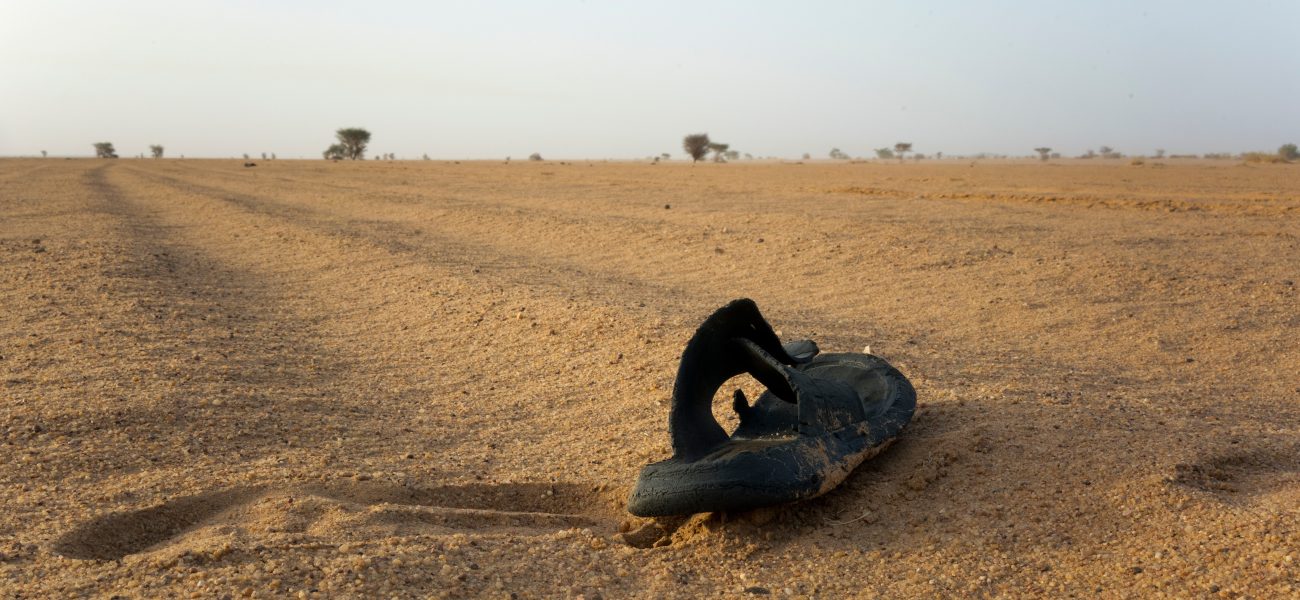
POLICY WIRE — Niamey, Niger — The Sahara desert, that ancient, indifferent executioner, has claimed another roster of human souls. It wasn’t bullets, or disease, or even outright conflict this time. No, just the unforgiving emptiness, the sheer lack of anything resembling sustenance or salvation, after a truck carrying desperate passengers ground to a halt somewhere in Niger’s boundless sandscape. Forty-nine people—mostly women and children, we’re told—perished from thirst and starvation. It’s a gut-wrenching arithmetic.
It’s the kind of story that flickers briefly across the news wire, a digital whisper against the cacophony of global headlines, before fading. But their deaths, silent and unheroic, lay bare the brutal mechanics of human migration, a grinding apparatus fueled by poverty and punctured by an often-perceived indifference from wealthier nations. They were chasing a dream, you see, a promise of something better, and instead found a suffocating end on routes traversed by traffickers who frankly couldn’t care less.
“We mourn these lost souls, yes,” said Nigerien Minister of Interior, Alhaji Saliou Salifou, in a recent, somewhat wearied statement from Niamey. “But let’s not forget the criminals, the smugglers, who prey on desperation. Our resources are stretched, but our commitment to securing our borders, — and saving lives where possible, isn’t. It’s a hydra-headed problem, you see.” His words, delivered with the practiced gravity of a politician addressing a familiar tragedy, didn’t quite convey the full scope of human anguish, but then, how could they?
But the numbers tell their own grim tale. According to the International Organization for Migration (IOM), over 5,600 migrants have died or gone missing along West and Central African migration routes since 2014, with a significant portion meeting their end in this same sprawling, merciless desert. It’s not a secret; everyone knows the risks. Yet, they go.
Dr. Amira Khatun, a seasoned aid worker who’s seen similar heartbreak on the shores of the Mediterranean and across dusty, forgotten camps, didn’t mince words. “These journeys are a lottery, — and the house always wins. Until we address the root causes—poverty, instability, lack of opportunity—people will keep taking these impossible risks. Forty-nine dead isn’t a statistic; it’s a profound failure of international responsibility.” Her frustration, I can tell you, is a sentiment shared by anyone who’s spent more than five minutes genuinely engaging with this intractable issue.
And so the bodies pile up, in nameless graves or lost forever to the sands. These aren’t just Nigerians, mind you. They’re a mix of West Africans, often using Niger as a transit point. They’re chasing the lure of Europe, convinced it’s their only shot at a life. They’re convinced it’s better than whatever squalor, oppression, or economic dead-end they left behind. (Often, they’re right, even with the overwhelming risks involved.) It’s a bitter gamble.
📄 POLICY WIRE WHITEPAPER PUBLISHED: PAKISTAN'S NATIONAL SECURITY POLICY PRIORITIES
👉 READ BY CLICKING HEREThis desperate human drama isn’t exclusive to Africa’s harsh landscapes. Look east. Similar quiet tragedies unfold along the treacherous pathways taken by migrants from Afghanistan or Pakistan, who journey across Iran and Turkey, hoping for a foothold in Europe—or those from Bangladesh and Myanmar, navigating perilous sea routes towards perceived safety and economic prospect in Southeast Asia. The locations change, the faces differ, but the crushing desperation that fuels these treks? That remains chillingly constant across much of the developing world, especially within the broader Muslim world grappling with its own unique cocktail of governance, economic, and security challenges. It’s an inconvenient truth, a global truth, even if the policy focus often remains stubbornly localized.
What This Means
This Niger incident, while tragic in its immediate scope, represents much more than a solitary mishap. It’s a flashing red light on Europe’s migration strategy, or lack thereof. The continent talks tough about borders, yet often neglects to provide safe, legal avenues, thereby inadvertently fueling the illicit trade these smugglers profit from. Because people will always move—it’s human nature—especially when pushed by the kind of acute suffering that most Western politicians can barely fathom.
The geopolitical ripple effects are extensive too. Nations like Niger, already wrestling with regional instability—terrorism, climate change, fragile governments—are overwhelmed. They become unwilling gatekeepers for Europe, tasked with policing vast, porous borders without adequate resources. This isn’t sustainable. It compromises their own security — and contributes to a cycle of despair that can breed further extremism. You can read about how managing such “pristine paradoxes” often turn into policy minefields in Africa, highlighting the impossible choices these nations face.
Economically, it’s a stark reminder that as long as there’s such a massive disparity between opportunity and hopelessness, these routes, however deadly, will persist. The demand for informal labor in Europe and the financial remittances sent home create an unbreakable, if morally compromised, economic loop. The European Union, with all its pronouncements on human rights and border security, has a moral obligation—and arguably a practical one—to acknowledge its role in this system. It isn’t just an African problem; it’s a grand illusion of control when faced with such profound human drivers. Ignoring the dead in the desert won’t make the living stop coming. It’ll just make them more resourceful, more desperate, — and their deaths, tragically, even more common.