


Brazil’s Thermal Vision: An Injured Ocelot, Dual-Use Drones, and the New Global Surveillance Frontier
POLICY WIRE — Brasília, Brazil — The hum of rotor blades usually signifies something more ominous than a feline in distress. Drones, after all, have reshaped modern warfare, intelligence...

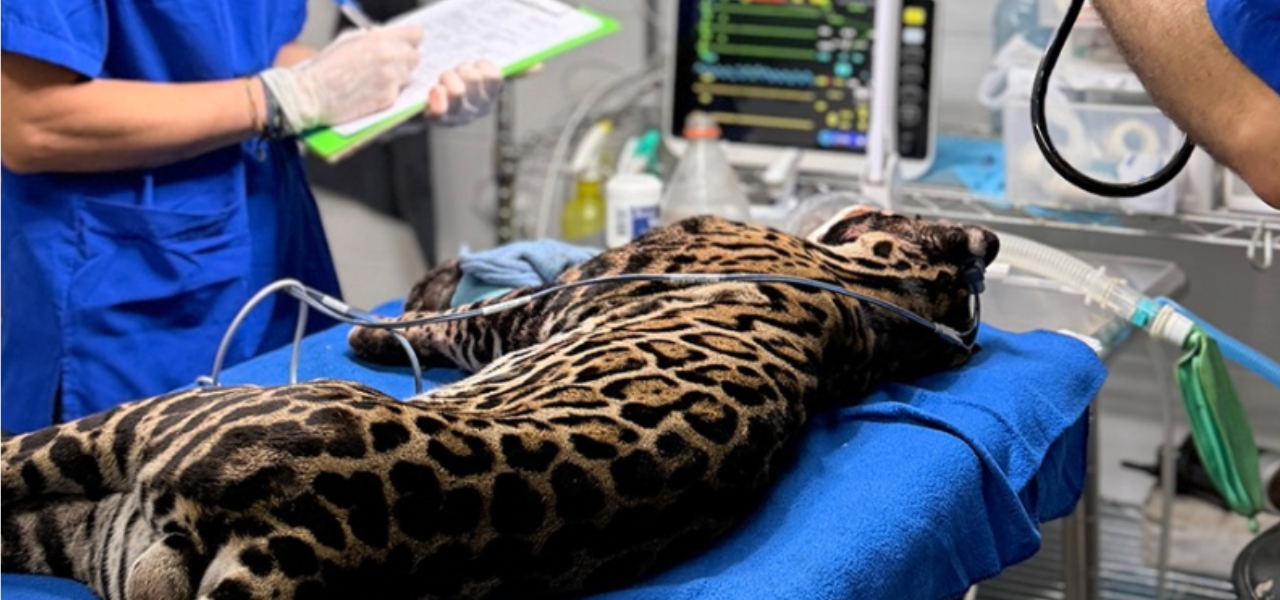
POLICY WIRE — Brasília, Brazil — The hum of rotor blades usually signifies something more ominous than a feline in distress. Drones, after all, have reshaped modern warfare, intelligence gathering, and even infrastructure mapping, pushing boundaries of what states can see, hear, and, arguably, control. But in the sun-dappled forests of Brazil, this cutting-edge surveillance technology just located a wounded ocelot — in under twenty minutes.
It sounds like a quirky aside in a world riddled with far more pressing political crises, doesn’t it? Yet, this swift, high-tech rescue operation for a creature that few outside its immediate ecosystem know much about, is more than just a feel-good wildlife story. It’s a quiet, potent demonstration of Brazil’s evolving capabilities in a critical technological domain: advanced drone deployment. And the implications, both domestically — and internationally, extend far beyond animal welfare.
For years, nations have squabbled over drone proliferation. The very notion of airborne surveillance stirs anxiety, evoking images of remote strikes — and intrusive monitoring. But Brazil — a rising power in the Global South with sprawling, often inaccessible territories — seems intent on showcasing the peaceful, or at least humanitarian, applications of this double-edged sword. This isn’t just about saving an injured wildcat; it’s about signaling technological self-reliance, territorial oversight, and a nascent, sophisticated response to environmental challenges, often without recourse to outside assistance.
But the story deepens. Thermal imaging, the very tech that pinpointed the ocelot, sees through dense foliage — and the cloak of night. It detects heat signatures, making it invaluable for counter-poaching efforts, monitoring deforestation, and, well, certainly for less benign uses too. Brazilian authorities, typically tight-lipped on their more sensitive acquisitions, didn’t shy away from touting this success. And why would they? It’s good press, certainly. It shows competence.
“We’re committed to deploying every available tool, every innovation, to protect Brazil’s extraordinary natural heritage,” declared Marina Silva, Brazil’s Minister of Environment, a veteran campaigner with a pragmatic streak. “This incident proves our national resolve isn’t just rhetorical. It’s operational. It shows we’re serious about sovereignty over our natural resources, utilizing domestic capacity and innovative solutions rather than waiting for handouts or foreign intervention.”
And that’s the rub, isn’t it? Countries like Pakistan, for instance, battling their own environmental degradations — from melting glaciers in the Karakoram to the ravages of urban pollution in Karachi — often grapple with a lack of resources or expertise for wide-scale monitoring. The successful deployment of this affordable, off-the-shelf, yet sophisticated technology in a nation facing similar challenges offers a blueprint. But it also raises thorny questions about how developing nations acquire, regulate, and eventually, deploy such ‘dual-use’ systems.
Because once you’ve got thermal drones patrolling the Amazon, it’s not a stretch to imagine them patrolling borders, critical infrastructure, or even urban areas. Data from Statista indicates that the global drone services market is projected to reach over $118 billion by 2027. That’s a staggering sum, indicating just how central this tech has become, even beyond its initial military applications.
📄 POLICY WIRE WHITEPAPER PUBLISHED: PAKISTAN'S NATIONAL SECURITY POLICY PRIORITIES
👉 READ BY CLICKING HEREBut what happens when countries like Brazil, or indeed, regional players in South Asia, lean heavily into this technology without robust regulatory frameworks? The lines between conservation, security, — and outright surveillance begin to blur. It becomes a matter of policy. How much privacy are citizens, or even wildlife, willing to trade for safety, or even efficiency? How transparent will these deployments be?
“The proliferation of these technologies, while offering undeniable benefits for conservation and disaster response, presents complex ethical and governance dilemmas,” noted Dr. Eleanor Vance, a policy analyst at the Stimson Center, during a recent virtual panel discussion on emerging technologies. “Every state, whether in the Americas or the Muslim world, must confront the ‘what next’ question. It’s about designing policy that harnesses innovation without creating an unchecked surveillance state, however benign its initial intention.” It’s a warning, a quiet caution, in all the hubris.
What This Means
The swift ocelot rescue is more than just good news for one wildcat. It subtly positions Brazil as a pragmatic innovator, capable of wielding sophisticated technology — previously the preserve of Western powers — for a range of national interests. This boosts its regional standing — and strengthens its argument for greater autonomy in global environmental governance. Economically, it signifies a market for locally adapted, dual-use drone technology that could potentially be exported or replicated across the Global South, creating new strategic alliances and dependencies. For countries like Pakistan and other nations in South Asia, it could be a model for addressing ecological crises — if they can navigate the policy tightropes of privacy, ethical usage, and data sovereignty. And it underlines a global truth: technology, like fire, can warm us or burn us, depending entirely on who holds the torch and what policies guide their hand.