


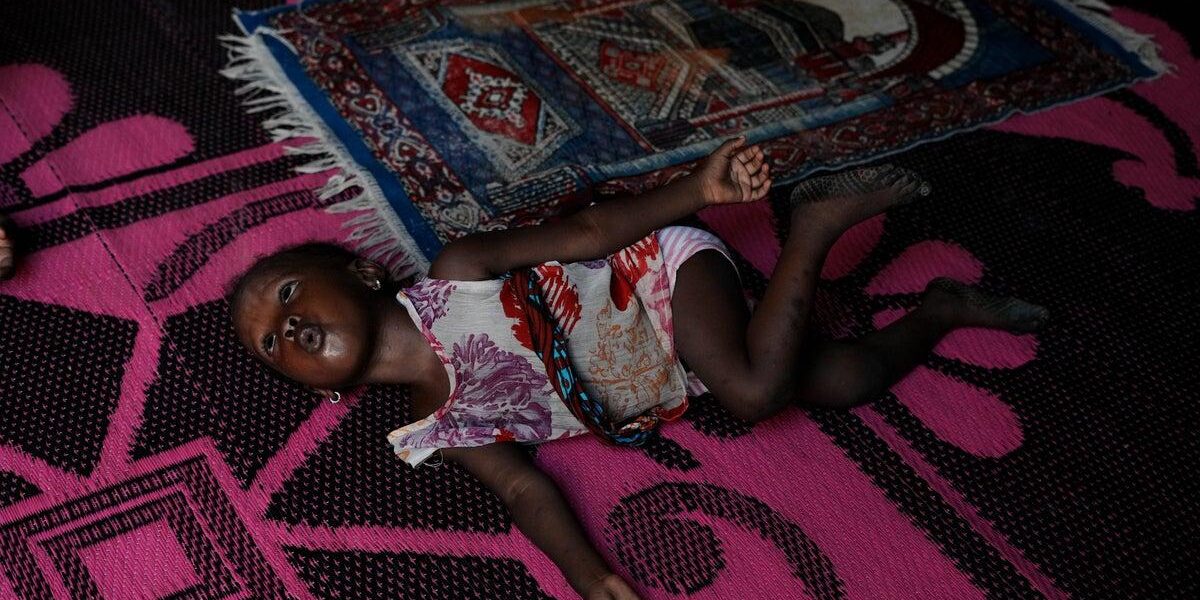
Nigerian Children Suffer from Surging Malnutrition Amid Middle East Conflict
Rising malnutrition and poverty in northern Nigeria linked to the Middle East conflict. Health workers report increased child relapses.

POLICY WIRE — Kano, Nigeria — Health workers in northern Nigeria have reported a troubling increase in the number of children relapsing into malnutrition. They attribute this surge, in part, to the ongoing conflict in the Middle East.
According to local health officials, the economic repercussions of the Middle East war have created a ripple effect, exacerbating existing issues of poverty and food insecurity in Nigeria. “We’re seeing more cases of severe acute malnutrition among children,” said Dr. Aisha Mohammed, a pediatrician in Kano. “The conflict has disrupted global supply chains and increased food prices, making it even harder for families to afford nutritious meals.”
The conflict has also led to a decline in foreign aid and investment, further straining Nigeria’s already fragile economy. This has resulted in reduced access to essential services, including healthcare — and education, for many families.
Nigeria’s reliance on imported goods, particularly food and medical supplies, has made it vulnerable to global market fluctuations. The war has caused significant disruptions in international trade, leading to shortages and increased prices for essential items.
The situation is particularly dire in northern Nigeria, where poverty rates are already high and access to healthcare is limited. The region has long struggled with food insecurity, but the recent surge in malnutrition cases has raised alarm among health workers and aid organizations.
“We’re doing our best to provide care for these children, but the demand is overwhelming,” said Dr. Mohammed. “We need more support from the international community to address this crisis.”
The Nigerian government has acknowledged the issue and pledged to increase funding for nutrition programs and social welfare initiatives. However, experts warn that more needs to be done to address the root causes of poverty and food insecurity in the region.
The crisis in northern Nigeria highlights the interconnectedness of global events and their impact on vulnerable populations. As the conflict in the Middle East continues, the ripple effects are being felt far beyond the region, underscoring the need for a coordinated international response to address the humanitarian consequences of war.
Reporting by Policy-Wire (PW)