



World Cup Jitters? Canada’s Home Advantage Hiccup Against Unranked Ireland
POLICY WIRE — Montreal, Canada — Sometimes, the most telling performances aren’t the triumphant ones, but the messy, understated fumbles just before the big show. Canada, co-hosts of the...

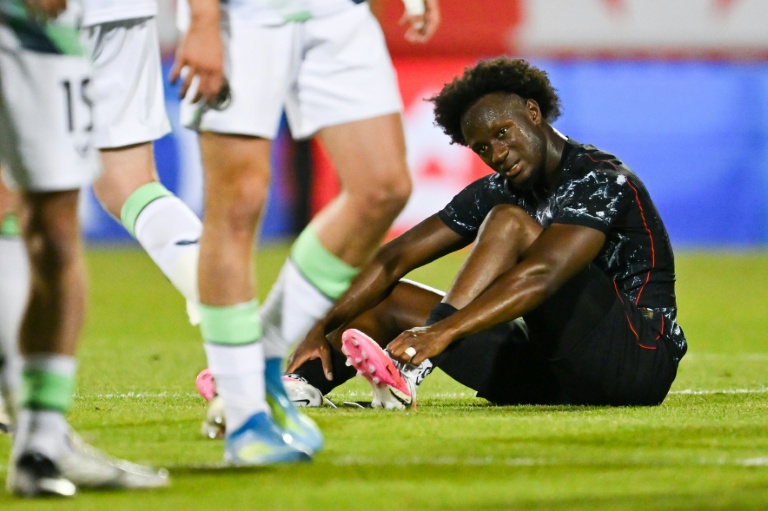
POLICY WIRE — Montreal, Canada — Sometimes, the most telling performances aren’t the triumphant ones, but the messy, understated fumbles just before the big show. Canada, co-hosts of the upcoming football spectacle, certainly delivered a masterclass in unexpected anti-climax Friday night. They clawed a mere 1-1 draw against an Irish squad not even slated to feature in the main event. It wasn’t a loss, sure, but it wasn’t a ringing endorsement either. A nation’s burgeoning World Cup dreams—built on the promise of home turf and rising FIFA ranks—just hit a speed bump, not a glory streak.
There’s a kind of understated poetry, you know, in dominating every single facet of a game only to settle for parity. But the Canucks managed just that in Montreal, despite their best efforts and the not-insignificant advantage of an opponent’s gaffe. Yes, the gift of a first-half Ireland own goal helped them break the deadlock. For a team hoping to shed decades of anonymity on the world stage, this felt like an opportunity squandered, a chance to flex their muscles that ended more like a shrug. The irony wasn’t lost on any keen observer: immense possession, plenty of attempts, yet still finding themselves in a dogfight.
Chiedozie Ogbene, from Ireland, put a dampener on things right around the hour mark, capitalizing on a rebound—a goal that seemed almost designed to underscore Canada’s lingering vulnerability. And this against an Irish team that, let’s be blunt, is already planning their summer vacation during the World Cup proper. Remember their earlier, crisper 2-0 win over Uzbekistan this week? It felt miles away from this tepid exhibition.
Jesse Marsch, Canada’s coach, tried to spin it after the whistle. He told reporters [QUOTE_PLACEHOLDER], and then offered a familiar post-game refrain: [QUOTE_PLACEHOLDER] He acknowledged a breakdown in defense: “We let one counter really get away from us in the second half but, look, overall it is a good performance.” Marsch knows the stakes, though; he concluded: [QUOTE_PLACEHOLDER] Hard to argue with that, isn’t it?
It was a stark contrast to a dominant opening. Canada had a flurry of chances, Stephen Eustaquio’s corner kicking off a defensive miscue involving two Irish players, Troy Parrott and Jake O’Brien, resulting in the own goal. Liam Millar got a shot blocked. Ismael Kone’s effort veered wide. Even Juventus striker Jonathan David had a penalty claim ignored—because of course he did. But Ireland’s goal, against the very run of play, coupled with a flurry of substitutions from both benches, felt like it deflated the entire Canadian effort. It’s almost a sporting cliché, really. Then Mason Melia, a Tottenham Hotspur teenager, nearly snuck in a winner late for Ireland. You couldn’t make it up.
📄 POLICY WIRE WHITEPAPER PUBLISHED: PAKISTAN'S NATIONAL SECURITY POLICY PRIORITIES
👉 READ BY CLICKING HERECanada’s grouping, by all accounts, was generous: Bosnia-Herzegovina, Qatar, — and Switzerland. It’s been seen as a kind draw, a pathway, maybe. And they do automatically qualify as co-hosts. Their journey starts against Bosnia in Toronto on June 12, then shifts to Vancouver for clashes with Qatar and Switzerland. Here’s a bit of inconvenient history, if you don’t mind a moment of honesty: in their two previous World Cup appearances, way back in 1986 in Mexico and then in 2022 in Qatar, Canada suffered a perfect record of six defeats in six matches, according to FIFA archives. This isn’t exactly a dynasty, you know? But then, last year, they made the semi-finals of the Copa America. They only lost on penalties to Uruguay for third place. So, they can surprise.
Marsch has called his current roster [QUOTE_PLACEHOLDER] Which is great for morale, but then you look at star defender Alphonso Davies, Canada’s Bayern Munich talisman. He’s battling a hamstring injury — and didn’t play a single minute against Ireland. He’s not expected to start the opener. Just another small detail in the grand tapestry of pre-tournament anxiety.
What This Means
This draw isn’t just about football scores; it’s a small but tangible tremor in the geopolitical landscape of Canadian sports. As a co-host nation, Canada isn’t just sending a team to play a game; they’re hosting a global spectacle. A strong performance builds national pride, boosts tourism, and offers an international spotlight—a soft power projection. A hesitant start, especially on home soil, could dull that shine, impacting everything from merchandising to diplomatic goodwill. For a country that consistently projects a moderate, multicultural image, hosting and performing well in the world’s most popular sport is a quiet yet forceful declaration of global standing. But stumbling against Ireland could chip away at public confidence—and, let’s be fair, the betting odds. It’s not just a sport; it’s an economic engine — and a branding exercise on an international scale. This performance might have some nervous energy bubbling in Ottawa and Montreal, where policymakers are well aware that positive international perception can influence trade, immigration, and even security relationships. Sporting success can absolutely facilitate ‘diamond diplomacy’ in surprising ways, opening doors and easing conversations that pure politics sometimes cannot. From Pakistan to Malaysia, the World Cup is viewed with religious fervor; a host nation’s performance is not just judged locally, but globally—it reflects, however subtly, on national efficacy. The stakes are much higher than just 90 minutes of football, for sure.
