
The Whisper Campaigns of Accra: Mahama’s Unsettling Grasp on Dissent
POLICY WIRE — Accra, Ghana — The coffee tasted bitter that morning. It often does when the air in the capital thins not from smog, but from fear. While the world frets over global markets or distant...

POLICY WIRE — Accra, Ghana — The coffee tasted bitter that morning. It often does when the air in the capital thins not from smog, but from fear. While the world frets over global markets or distant conflicts, a more insidious narrative unfolds in West Africa: the quiet, methodical silencing of voices. It’s not just about a few arrests, is it? It’s about the message those handcuffs send, rattling through the bones of a nation once lauded for its democratic fortitude.
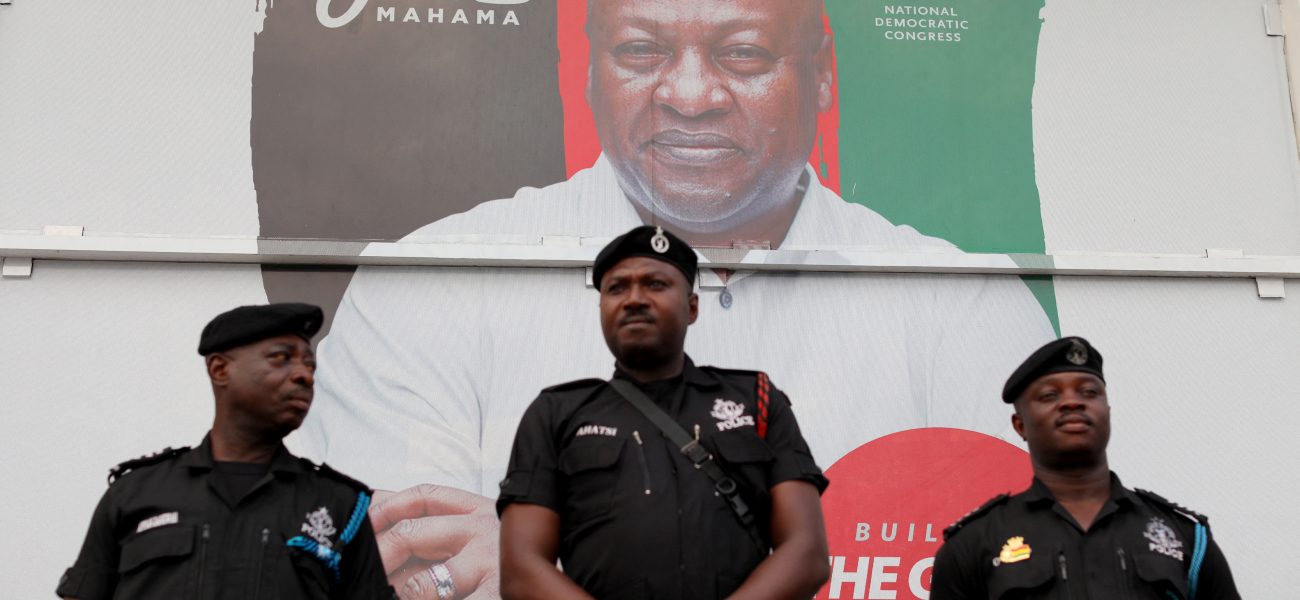
See, lately, things have gotten… tense. President John Dramani Mahama’s administration, usually a picture of regional stability, appears to be adopting an uncomfortable posture toward its vocal detractors. What began as skirmishes on social media or pointed radio commentary now has very real, very physical consequences. One can almost feel the collective sigh of resignation from journalists and activists whenever news trickles down about another detention. It’s not a dramatic crackdown, not yet, but a steady tightening—a pressure cooker gradually building heat.
Ghana, a country that stood as a rather shiny example of peaceful transitions and open discourse on a continent too often wracked by instability, finds its reputation in a rather precarious spot. The international community, you’d think, would be screaming. But it’s more of a cautious hum, an ‘are we sure this is really happening?’ kind of situation. They’re observing, of course. Always observing. And while they’re watching, the domestic climate here shifts. It certainly doesn’t breed confidence for investors who like their markets as stable as their political environments, does it? A thriving economy, after all, often relies on transparent governance — and a populace unafraid to speak truth to power. Without it, you get whispers, not debates.
And let’s be frank, this isn’t a unique Ghanaian affliction. This particular political malaise—the suppression of critics in the name of order or stability—is a disease without borders. Think of places like Pakistan, a nation grappling constantly with the delicate balance of civilian rule, military influence, and the sheer audacity of its independent press. Just last year, Reporters Without Borders noted that press freedom in Pakistan faced [QUOTE_PLACEHOLDER]. They’ve had their own struggles with blasphemy laws being weaponized against journalists, and politicians, too, finding that their words can carry an unexpected and heavy cost. It’s a shared struggle, this battle for open expression, stretching from the dusty streets of Rawalpindi to the bustling markets of Accra. And because human rights are global, when one corner of the world struggles, it often resonates across another.
The pattern usually goes something like this: someone criticizes the government, then come the anonymous threats, then maybe a summons, then… well, then it’s detention. Charges, when they materialize, often pivot on something vague like ‘inciting public unrest’ or ‘defaming the presidency’. Convenient, isn’t it? It leaves a pretty broad canvas for interpretation. It also makes you wonder what kind of government really fears mere words so profoundly. The message it sends is unmistakable: stay in line, or find yourself explaining your intentions to someone in a uniform.
It’s creating a ripple effect, too. Suddenly, what was once vibrant political debate gets stifled. People think twice before hitting ‘send’ on that scathing tweet, or calling into that radio show. Even within Mahama’s own National Democratic Congress (NDC) party, the once boisterous internal dialogues become more guarded, quieter. Nobody wants to be seen as aligning with those currently being singled out. That’s just sensible self-preservation, isn’t it?
We’ve seen official denials, naturally. Government spokespersons are quite good at reassuring everyone that everything’s fine, that due process is being followed. They’ll likely tell you that these are isolated incidents, that the individuals involved have broken actual laws. But for every official statement, there are countless unofficial anecdotes, stories shared in hushed tones over cups of tea, suggesting a different, more chilling reality. The Ghana Journalists Association, for instance, reported a 15% increase in harassment complaints against state actors in 2023, according to their annual freedom of the press report. That’s not a number you can easily dismiss. It implies a pattern, not an anomaly.
📄 POLICY WIRE WHITEPAPER PUBLISHED: PAKISTAN'S NATIONAL SECURITY POLICY PRIORITIES
👉 READ BY CLICKING HEREIt’s tricky business, this managing of public opinion, especially when economic pressures mount and citizens feel their voices aren’t heard. A government that resorts to heavy-handed tactics rarely signals robust health, politically speaking. More often, it’s a symptom of deeper insecurities, a fear that if the public really gets talking, they might not like what they hear back.
What This Means
The emerging pattern of arrests targeting critics under President Mahama’s watch isn’t merely a localized hiccup; it represents a significant backsliding for Ghana’s democratic credentials and poses tangible risks for its economic trajectory. Politically, this signals a hardening of the administration’s stance, potentially stifling internal party dissent and certainly eroding public trust in institutions designed to protect freedoms. A climate where opposition voices are routinely challenged legally can destabilize the political landscape, making future elections—which, by the way, aren’t that far off—more contentious and less credible in the eyes of observers.
Economically, the implications are equally stark. Investors, especially foreign direct investment, thrive on predictability — and stability. When the rule of law seems elastic and political expression comes with state-imposed penalties, capital tends to look elsewhere. It suggests an underlying fragility that external partners are unlikely to ignore. donor nations and international bodies, sensitive to governance indicators and human rights, might begin to reassess aid packages or developmental partnerships. Nobody wants to back a horse that’s kicking its own citizens. This chilling effect on public discourse could also dampen innovative ideas and critical analysis essential for sustainable economic growth, ultimately hindering Ghana’s ability to address its most pressing societal challenges. It’s a classic Catch-22: a government clamps down to maintain control, but in doing so, it risks losing control of its narrative and its economic destiny. And honestly, it leaves you wondering if anyone is truly listening to the advice of good governance. Sometimes, gut feelings influence global policy decisions, and those feelings usually turn sour when you start locking up newspaper columnists. You simply don’t build long-term confidence this way.
So, the quiet arrests? They aren’t just footnotes. They’re increasingly loud alarms, signalling potential turbulence ahead not just for Accra, but for anyone who cherishes democratic norms. The drama here isn’t just internal politics, it’s a test of foundational principles.