


New Mexico Braces: Monsoon’s Capricious Grip Promises Micro-Disasters in Burn Scarred Lands
POLICY WIRE — Albuquerque, New Mexico — It’s a high-stakes, almost balletic dance unfolding over the sun-baked, sometimes scarred, terrain of New Mexico. Not between political rivals, mind you,...

POLICY WIRE — Albuquerque, New Mexico — It’s a high-stakes, almost balletic dance unfolding over the sun-baked, sometimes scarred, terrain of New Mexico. Not between political rivals, mind you, or competing economic ideologies. No, this week’s main event involves two immense, invisible forces of nature – a low-pressure system lingering coyly south of the border and a stubborn high-pressure dome making its presence known over Arizona. These aren’t just atmospheric squabbles; their slow, deliberate maneuvers are set to dictate who gets soaked, who gets sweltered, and more critically, where the next unexpected emergency might hit. It’s a masterclass in meteorological chess, — and plenty of folks here are watching it unfold with bated breath.
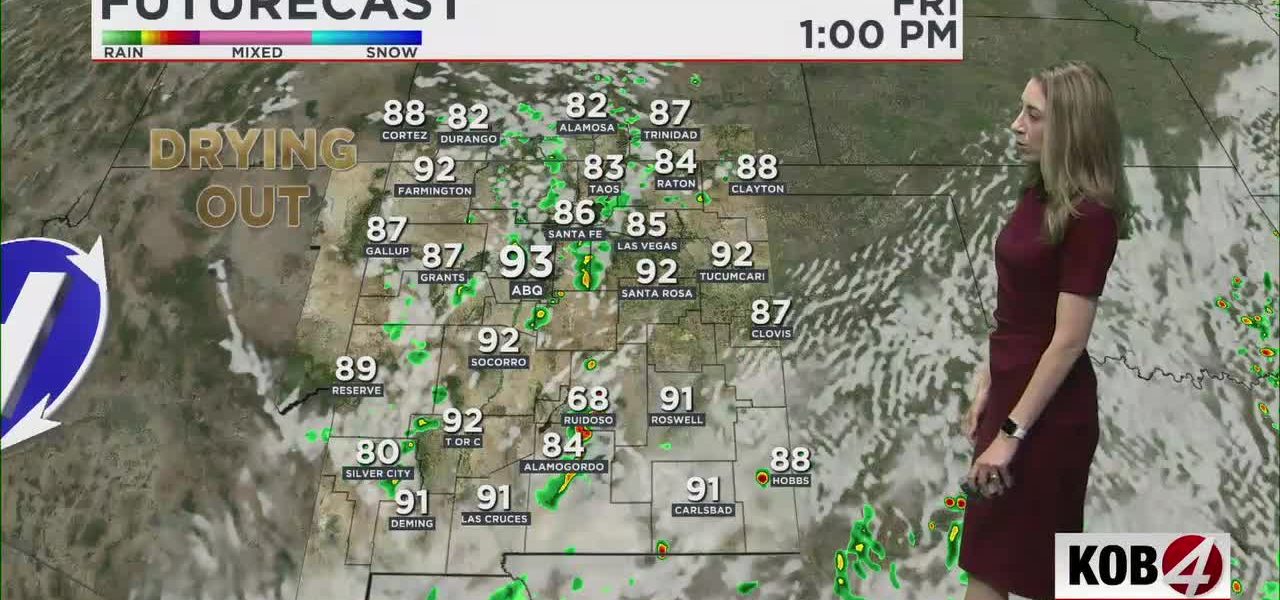
For days, we’ve seen this pattern: isolated showers building up. But it’s not just a damp nuisance. It’s an escalating risk, especially for communities nestled near those fire-ravaged mountain slopes. See, when these storms get brewing – and they’re projected to pop off again over the mountainous terrain in the late morning and early afternoon – they tend to move like molasses. Sluggish, south-southwesterly. This lethargy means bad news for saturated ground, the kind you get after several days of rainfall. It’s not the volume so much as the relentless concentration. Policy Wire understands these micro-climates can become micro-disasters with alarming speed. [QUOTE_PLACEHOLDER]
And then there are the burn scars. Places where past wildfires have obliterated vegetation, leaving behind an infertile, almost hydrophobic soil. It just can’t soak up water anymore, not like it used to. So, when some storms could drop more than an inch of rainfall in roughly about an hour, and those storms are practically idling overhead, you’ve got the perfect, ugly recipe for burn scar flash flooding. This isn’t theoretical. It’s why officials have slapped a Flood Watch across affected zones, currently slated from 12-6 p.m., with a marginal risk of flooding also casting its shadow across the southeastern reaches of the state. For Albuquerque’s metro core, meteorologist Amanda Goluszka projects a 10% chance of a shower moving into the city this afternoon – small, but hey, it’s something. But because you never know.
As the week progresses, we’re told to prepare for a repeat performance. Rinse — and repeat the precipitation chance from today to Saturday, they say. It’s an unnerving cyclicality, this weather system, refusing to yield the stage entirely. Locally heavy rainfall is possible in many spots, meaning localized infrastructure strain is practically guaranteed. But there’s a switch-up coming: storms that do form will take on a more north-south flow. The high-pressure system, ever so slowly, is marching into southeastern Arizona, set to eventually drape itself over southern New Mexico by Sunday. And what happens then? A peculiar reversal of fortune.
Western New Mexico’s currently cozy in the 90s, while the east stays slightly cooler in the 80s. But come Sunday, a small flip — and reverse of the heat will arrive. It’ll still be hot — and very June-like (we can’t escape that, can we?). Eastern areas, however, will suddenly see a 5-to-15-degree jump between Saturday’s highs and Sunday’s highs. So, folks might want to plan accordingly, shifting their AC budget, or maybe just their outdoor BBQ plans. It’s a stark reminder of nature’s indifference to human planning, forcing adaptive measures from the mundane to the municipal.
📄 POLICY WIRE WHITEPAPER PUBLISHED: PAKISTAN'S NATIONAL SECURITY POLICY PRIORITIES
👉 READ BY CLICKING HEREWhat This Means
This localized meteorological tug-of-war in New Mexico holds surprising policy implications. It’s more than just a forecast; it’s a tangible stress test on regional emergency preparedness and infrastructure resilience. Communities facing potential flash flooding, particularly those in areas affected by past wildfires, become stark examples of the long-term policy ramifications of environmental degradation. Rebuilding efforts after fires must now intrinsically factor in subsequent flood mitigation – an economic burden few budgets anticipate fully.
Consider the logistical nightmare. First responders aren’t just battling fires; they’re then scrambling to prepare for torrential deluges, sometimes within months of the initial blaze. This kind of sequential, compounded disaster mirrors challenges faced globally, even in vastly different topographies. Pakistan, for instance, a nation often grappling with both severe droughts and catastrophic floods exacerbated by its mountainous regions and large river systems, understands this cyclic environmental trauma all too well. Its agencies continually adapt to mitigate loss in vulnerable villages, much like New Mexico’s counties must safeguard their mountain towns.
The slow movement of these New Mexican storms is particularly problematic, allowing rainfall to concentrate, overloading already strained storm drains and eroding fragile ecosystems. This isn’t just about residents getting wet; it’s about public funds being stretched thin for repairs, about the economic viability of remote settlements, and about the psychological toll on populations living on a razor’s edge, caught between fire and flood. These aren’t isolated incidents. They represent a deepening trend of extreme weather patterns demanding not just tactical responses, but strategic, long-term policy shifts in urban planning, water management, and even federal aid allocation. Because the weather isn’t just happening; it’s actively shaping the future of these regions, one burn scar at a time.