


Albuquerque’s Subtle Diplomacy: Lowriders Forge Policy Impact Through Grease and Grit
POLICY WIRE — Albuquerque, United States — In the clamor for headline-grabbing infrastructure projects or the pronouncements from a capital’s legislative chambers, the hum of an orbital sander or the...

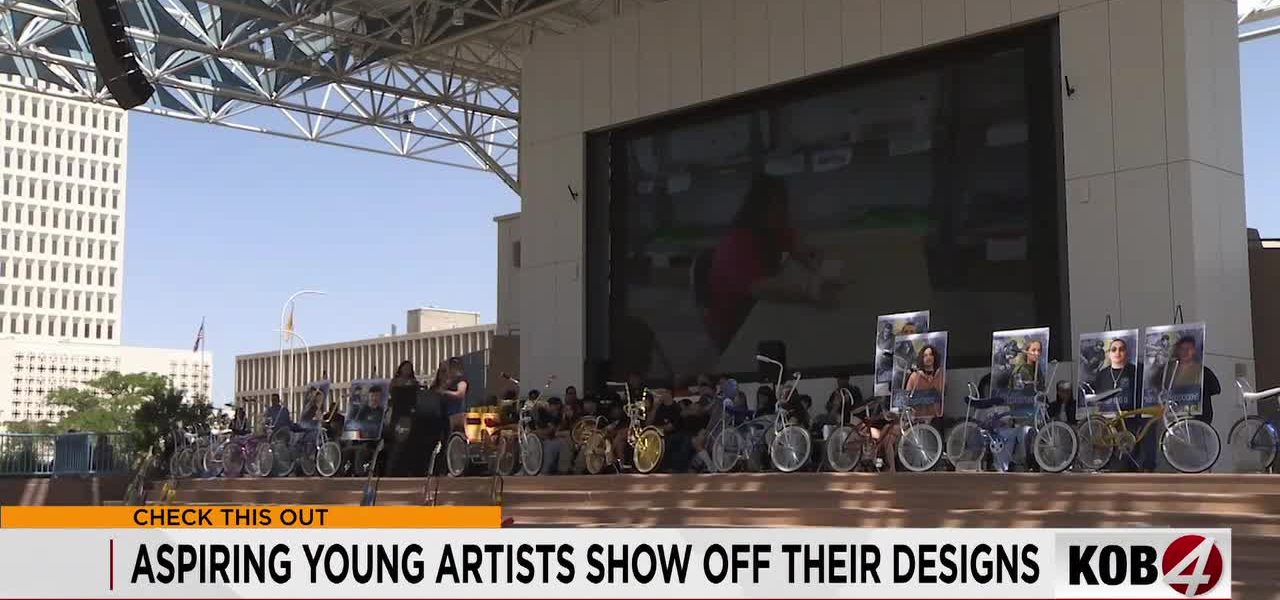
POLICY WIRE — Albuquerque, United States — In the clamor for headline-grabbing infrastructure projects or the pronouncements from a capital’s legislative chambers, the hum of an orbital sander or the delicate stroke of a paint brush in a community workshop often goes unheard. Yet, in Albuquerque, a program built on the glint of custom lowrider bicycles, guitars, and skateboards quietly lays foundations for something far more robust than just metal and wood: human capital, community resilience, and perhaps, an unexpected blueprint for social cohesion. And its recent recognition of dozens of young artisans is telling, a small, vibrant policy win.
It wasn’t a splashy grand opening for a tech hub. It wasn’t a fierce policy debate in a state assembly. Instead, it was an understated ceremony at Civic Center Plaza, where the City of Albuquerque’s Department of Youth and Family Services celebrated the creative fervor of students, their mentors, and—unexpectedly—law enforcement. We’re not talking about Silicon Valley innovation here, folks; we’re talking about wrenches, custom paint, and the methodical satisfaction of a project brought to life by teenage hands. It’s gritty, you see, — and quite profound.
These weren’t just arts — and crafts for kids, mind you. These were intricate custom lowrider bicycles, guitars, — and skateboards, each a testament to months of diligent effort. Imagine the discipline involved, the problem-solving, the sheer perseverance. Students spent the school year working with community mentors from the lowrider community, local artists and law enforcement partners to craft these custom pieces. It’s an unlikely coalition, to be sure, a genuine melting pot of experience that transcends socio-economic lines. The program didn’t exactly start big, growing from a mere 10 students in its pilot phase to honor more than 65 local students today, according to program organizers—a 550% increase, which you can bet doesn’t happen by accident. That kind of growth is a powerful indicator of demand, often overlooked by the folks up top.
And what’s the payoff for this hands-on toil? One attendee at the event perfectly encapsulated the ethos: “Everybody is sanding their bike building their bike they are like ‘Ah, it’s so much work.’ And then at the end when we are at something like this they are like ‘Wow I did that,’” That isn’t just pride; that’s self-efficacy, a critical building block for any young person navigating the complexities of modern life. It’s a reminder that meaningful policy impacts often begin at the individual level, in spaces where youth find purpose and realize their latent capacities.
It’s not just the students benefiting. Law enforcement, often seen as an enforcement arm, is integrated as partners, adding a different dimension to community engagement. Kiel Higgins with Albuquerque Police Department noted, “I’m kind of like the cheerleader, I can do somethings but nothing like these guys are amazing, and the kids can see that and then maybe they will realize ‘Hey, we all have some hidden talent that we are good at,’” That’s a police officer articulating the intrinsic value of mentorship and shared endeavor. You don’t get that kind of buy-in from a press release; you get it from shared experience, from sawdust — and grease. But then, it always makes you wonder how much more of this kind of grassroots engagement is needed across the country, especially in areas struggling with youth alienation and disaffection.
📄 POLICY WIRE WHITEPAPER PUBLISHED: PAKISTAN'S NATIONAL SECURITY POLICY PRIORITIES
👉 READ BY CLICKING HEREOrganizers said the program has become so popular that they hope to buy a larger facility in the future. It’s a classic urban dilemma: demonstrable success demanding more resources. The implication? Good programs aren’t cheap, but the returns – in terms of social capital, skill-building, and redirected youth energy – could very well justify the investment. Perhaps there’s a lesson for cities elsewhere struggling with the fickle hand of policy that often fails to connect with communities. This approach, for instance, provides a stark contrast to some development initiatives in places like Pakistan’s Sindh province, where youth programs sometimes struggle with sustained local engagement and cultural relevance. There, similar investments in skill-building workshops, especially those leveraging local craft traditions, could prove just as transformative, albeit in a different aesthetic idiom.
What This Means
This Albuquerque initiative isn’t merely a feel-good story; it carries significant policy implications. First, it demonstrates the efficacy of public-private-community partnerships, effectively leveraging the city’s infrastructure (Department of Youth and Family Services) with invaluable local expertise (lowrider community, artists) and societal trust-builders (law enforcement). Such multi-stakeholder models are particularly potent in addressing complex urban challenges, such as youth disengagement or the allure of less constructive activities. They also hint at what truly impactful funding should target: programs that build concrete skills while simultaneously fostering social capital and a sense of belonging. Secondly, the growth from 10 to over 65 students highlights a strong, unmet demand for vocational and creative outlets among young people. Policymakers should recognize these grassroots successes as indicators for where more significant, systemic investments are warranted. Imagine the ripple effect if such accessible, mentorship-driven craft programs were scaled up nationally. It’s an economic argument, really. Keep kids engaged, teach them valuable hands-on skills, and you’re building a more productive future workforce, one fender at a time. The program’s blend of artistry, discipline, and community also offers an interesting parallel to broader efforts to engage youth in regions across the globe. Just as community-led initiatives in the Muslim world often anchor in traditional arts or vocational training to foster purpose and counter extremist narratives, Albuquerque’s lowrider scene creates an analogous, albeit distinct, cultural haven. It’s a reminder that investment in human potential, delivered through tangible, culturally resonant avenues, can transcend borders and demographics, quietly shaping the trajectory of young lives.