


Evangelical Influence in Brazilian Soccer Sparks Debate After World Cup Loss
Explore the debate on whether evangelical beliefs among Brazilian soccer players impacted the national team's 2026 World Cup performance.

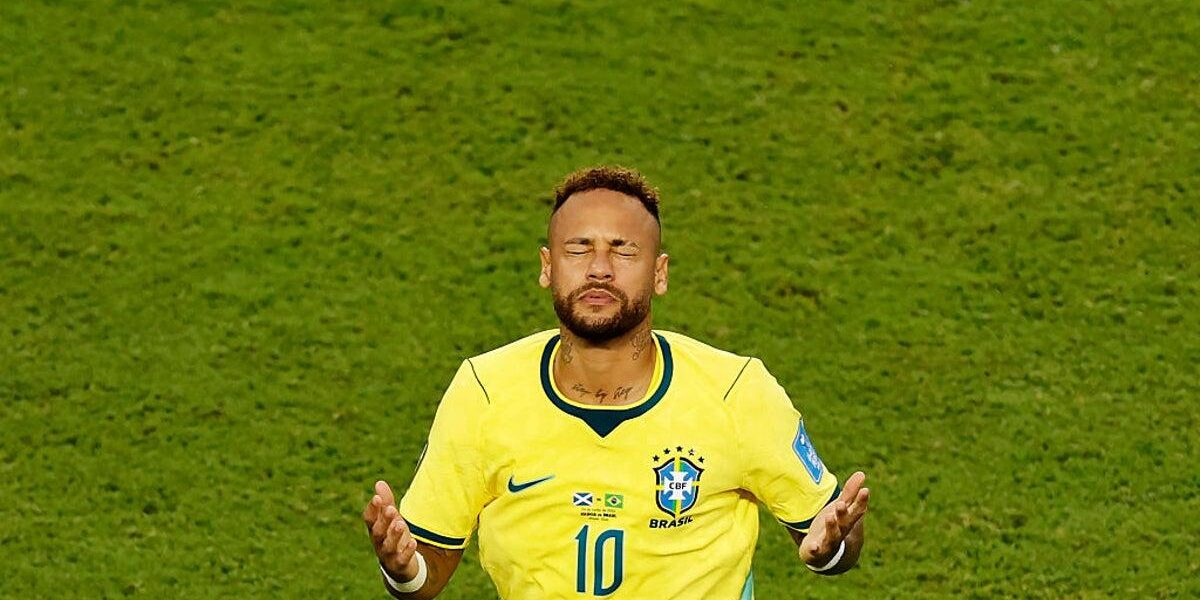
POLICY WIRE — São Paulo, Brazil — Following Brazil’s unexpected elimination from the 2026 FIFA World Cup, a segment of fans and analysts have posited that the team’s lackluster performance may be linked to the evangelical beliefs of certain players.
The Brazilian squad, traditionally a powerhouse in international soccer, faced a surprising defeat, leading to a wave of criticism and speculation. Among the theories circulating is the notion that the spiritual practices and beliefs of some players may have detracted from their focus and performance on the field.
“It’s not just about skill; mental and spiritual focus play a crucial role in high-stakes games,” remarked sports analyst Carlos Ferreira. “When players are divided by personal beliefs, it can create a rift within the team.”
This hypothesis has ignited a broader conversation about the role of religion in professional sports. Evangelicalism has seen a significant rise in Brazil over the past few decades, influencing various aspects of society, including sports. Several Brazilian players have openly discussed their faith — and how it impacts their careers.
However, not all agree with this line of reasoning. Former Brazilian footballer and now coach, Ricardo Silva, dismissed the claims, stating, “Soccer is a game of skill, strategy, and teamwork. To attribute our loss to religious beliefs is an oversimplification.”
The debate has also drawn attention to the increasing polarization within Brazilian society. As evangelicalism continues to grow, so does its influence on cultural — and social norms. This World Cup loss has merely highlighted the ongoing tensions and discussions about the intersection of faith and national identity.
📄 POLICY WIRE WHITEPAPER PUBLISHED: PAKISTAN’S NATIONAL SECURITY POLICY PRIORITIES
As the dust settles from the tournament, Brazilian soccer officials and fans alike are left to ponder the future of the national team. Whether this loss will prompt a reevaluation of team dynamics, including the role of personal beliefs, remains to be seen.
Reporting by Policy-Wire (PW)