


Sri Lanka’s Silent Toll: Elder Care Crisis Explodes in Fiery Tragedy
POLICY WIRE — Colombo, Sri Lanka — The scent of ash still hangs heavy over Anguruwatota, a rural pocket some 55 kilometers (34 miles) from Colombo, but it’s the invisible, acrid tang of...

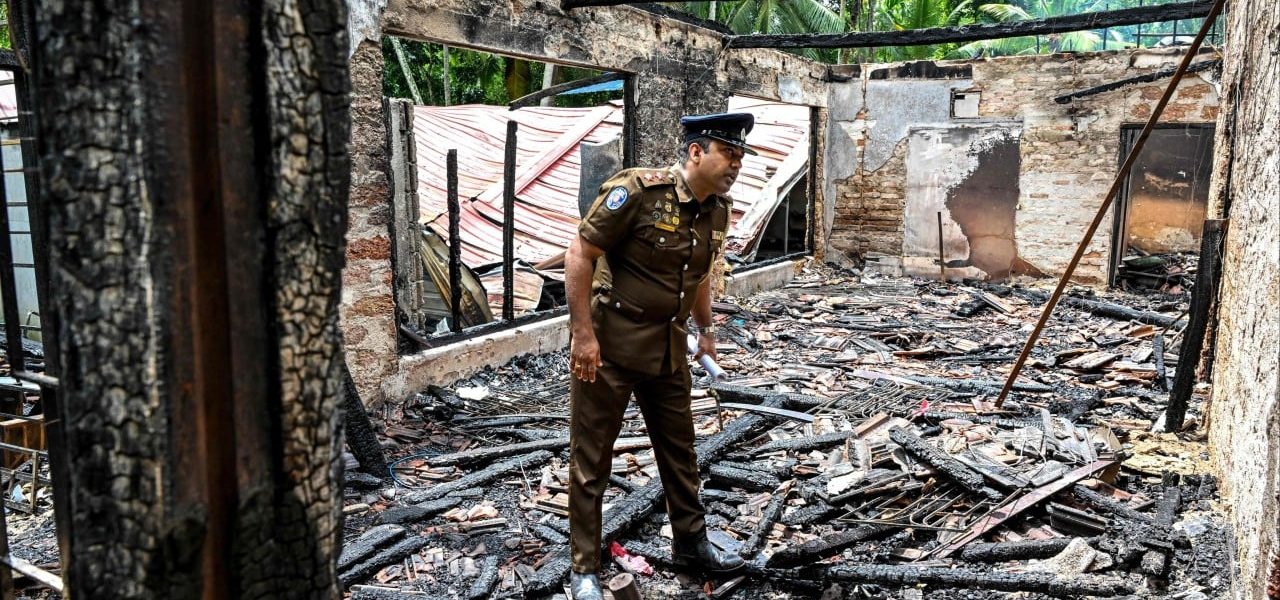
POLICY WIRE — Colombo, Sri Lanka — The scent of ash still hangs heavy over Anguruwatota, a rural pocket some 55 kilometers (34 miles) from Colombo, but it’s the invisible, acrid tang of systemic neglect that truly suffocates. Because in this ostensibly tranquil landscape, a dozen souls, many in their twilight years, met a horrifying end. They weren’t victims of a natural calamity or a sudden burst of violence; they died because a place meant to care for them instead became their pyre. A terrible, quiet, searing indictment, really—of a country battling economic freefall while its most vulnerable are quite literally left to burn.
It’s a grim spectacle. The kind that makes you pause, isn’t it? A single incident laying bare the fractured social contracts in nations straining under their own weight. News trickled out on a recent Thursday, detailing a fire at a home for older people in Sri Lanka. It killed 12 people. And it sent another eight to the hospital. But the grim math doesn’t stop there. The inferno, once contained, saw authorities spring into action, albeit belatedly, after the devastation had already occurred. A single sentence from the police confirmed some of the grim details, stating unequivocally: A dozen people have died in a fire at a home for older people in Sri Lanka, police said on Thursday, while another eight have been hospitalised.
Rescue efforts did manage to avert an even greater catastrophe, thankfully. The scene must’ve been absolute chaos, thick smoke, frightened residents. But first responders, along with the military — and various public officials, did what they could. [QUOTE_PLACEHOLDER] a police statement confirmed. This scramble to salvage lives from the wreckage contrasts sharply with what appears to be a deeply embedded issue of oversight and inadequate infrastructure in places meant to shield the elderly. The facility’s director has even been arrested—an act of accountability, perhaps, but one that feels like shutting the barn door after the prize horses have bolted.
Sri Lanka, for all its verdant beauty — and ancient history, isn’t unique in this grim narrative. But its recent history — particularly the severe economic crisis that gripped the island nation — adds a bitter edge. Pensions have shrunk, family incomes have plummeted, and the traditional safety nets provided by close-knit familial structures are fraying. Elder care facilities, often underfunded and sometimes unregulated, become default options for families who can no longer provide at-home care, either due to poverty, emigration, or simply the brutal demands of modern life. They’re dumping grounds, frankly, if not literal. They’re definitely not centers of dignified aging for many.
Look at the bigger picture across South Asia, — and a chilling pattern emerges. From Pakistan to Bangladesh, India to Sri Lanka, traditional deference to elders is colliding with harsh economic realities. Changing societal norms mean fewer multi-generational households. Younger generations often seek opportunities abroad, leaving behind an aging population. And for these left-behind, often frail individuals, formal elder care institutions are becoming their only refuge. But can these struggling economies truly provide adequate resources — and oversight for such a delicate societal need?
A recent UN report (2022) revealed that about 13.9% of Sri Lanka’s population is aged 60 or above, a demographic segment projected to rise dramatically in the coming decades. That’s a significant portion of the populace dependent on robust, well-regulated social services, especially given an economic context where a third of households faced food insecurity last year. You’d think that sort of statistic would trigger a red alert, wouldn’t you? This incident in Anguruwatota serves as a brutally sharp wake-up call to the region, proving that simply having facilities isn’t enough; their quality, safety, and regulatory compliance are quite literally matters of life and death. Because what happened there could frankly happen anywhere. And it probably will again.
📄 POLICY WIRE WHITEPAPER PUBLISHED: PAKISTAN'S NATIONAL SECURITY POLICY PRIORITIES
👉 READ BY CLICKING HEREWhat This Means
The fiery tragedy in Anguruwatota isn’t just a local misfortune; it’s a bellwether for wider political and economic strains rippling through Sri Lanka and its South Asian neighbors. Economically, the country’s recent woes have deeply impacted its social infrastructure. Less money in state coffers, fewer public resources allocated to oversight — and support services. It’s a vicious circle. Private facilities, often operating on shoestring budgets, may cut corners on safety regulations — things like proper wiring, adequate fire suppression, trained staff for evacuation — all to keep costs down. The arrest of the director, while an immediate response, hints at individual accountability but fails to address the broader systemic failures that permit such tragedies to unfold.
Politically, incidents like this expose the often-ignored vulnerability of the elderly and can become potent symbols of government neglect. But can current political leadership, already grappling with deep-seated economic challenges, dedicate the necessary attention and funds to robustly regulate and fund elder care? It’s a tough sell. Prioritizing pensions and healthcare for a rapidly aging population, many of whom are becoming increasingly impoverished, means making hard choices in a period of severe fiscal constraint. This incident highlights the need for a national discussion — and, frankly, action — on modern elder care policies, stricter regulatory frameworks, and greater public investment in facilities and training. Otherwise, this kind of gut-wrenching news will, unfortunately, simply keep coming. They need a fundamental shift in priorities; the current approach clearly isn’t cutting it.