

Fragile Peace Shattered: Israel Strikes Syria Amid Sectarian Tensions
Israel’s recent airstrikes near the presidential palace in Damascus have added a dangerous new layer to Syria’s already unstable political and humanitarian crisis. These strikes, which took place...

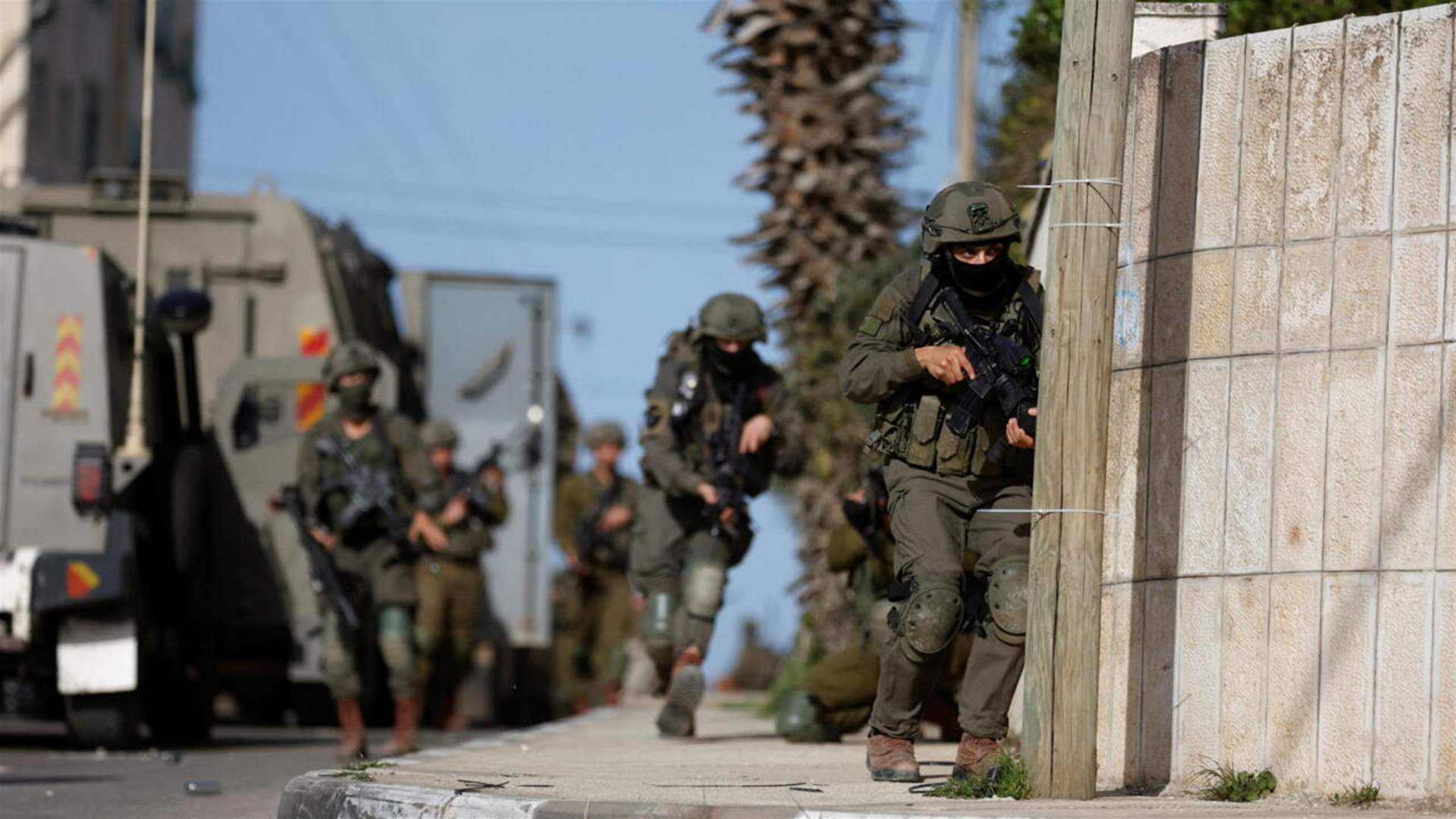
Israel’s recent airstrikes near the presidential palace in Damascus have added a dangerous new layer to Syria’s already unstable political and humanitarian crisis. These strikes, which took place early Friday, mark the second Israeli military action this week and come in response to escalating sectarian violence, particularly involving Syria’s Druze minority. Israel’s leadership accused the transitional Syrian government, led by President Ahmed al-Sharaa, of failing to protect the Druze population from what they described as “a genocidal campaign.” This military escalation has alarmed regional actors and raised concerns among global observers about a potential widening of the Syrian conflict.
At the heart of this development is a grim episode of violence: over 100 people were killed this week in intense clashes between pro-government forces and Druze fighters in southern Syria. The bloodshed has reignited old wounds in a country that has already endured more than a decade of war. Syria’s Druze spiritual leader, Sheikh Hikmat al-Hijri, called the violence a targeted campaign and made an emotional plea for international intervention to prevent further atrocities. His call highlights a growing sense of desperation among Syria’s minorities who feel increasingly vulnerable in the shifting power landscape.
The Druze, an ethnoreligious group tracing their beliefs back to the 10th century, have historically lived in regions of Syria, Lebanon, and Israel. While generally seeking neutrality in Syria’s broader war, many Druze in Syria have long faced persecution from multiple factions. Israel, which has its own Druze population that serves in its military and government, has positioned itself as a defender of Druze rights. Prime Minister Benjamin Netanyahu and Defense Minister Israel Katz emphasized that their strike was not only a security measure but a message to the Syrian leadership: Israel will not tolerate threats to Druze communities, especially near its borders.
These events come at a time of deepening sectarian tensions in Syria. The transitional government under President al-Sharaa, which came to power after ousting Bashar al-Assad last December, has struggled to assert control and prevent widespread violence. The massacre of more than 1,700 civilians from the Alawite community in March-an ethnic group closely associated with Assad-has only intensified the sense of instability. According to the UK-based Syrian Observatory for Human Rights, that massacre was perpetrated by security forces and their allies, casting a shadow over the new government’s claims of inclusivity and reform.
Israel’s recent actions reflect a broader regional anxiety. With Syria’s internal divisions deepening and its central authority weakened, neighboring countries fear that the conflict could once again spill across borders. Israeli officials have repeatedly condemned what they describe as “a terror group from Idlib that took Damascus by force,” referring to the loose coalition of rebel factions that now form the transitional government. For Israel, any sign of extremist infiltration or instability near its northern frontier is a red line, especially when minority communities are involved.
Israel’s Foreign Minister, Gideon Saar, made a strong appeal to the international community, urging it to take concrete steps to protect minorities in Syria-particularly the Druze. He warned that failure to act would not only embolden hostile factions but could also signal a collapse of international moral responsibility. However, Damascus has responded critically to these calls. Syrian Foreign Minister Asaad al-Shaibani emphasized the importance of national unity and warned against foreign interference. According to him, external military interventions, no matter how justified they may appear, risk deepening divisions and weakening Syria’s fragile social fabric.
The risk of further escalation cannot be ignored. The Syrian conflict, though no longer grabbing daily global headlines as it once did, remains one of the most complex and protracted crises of the 21st century. Since its beginning in 2011, the war has claimed over 500,000 lives and displaced more than 13 million people. Syria’s economy has collapsed, its infrastructure lies in ruins, and millions continue to live under conditions of extreme poverty and insecurity. With a transitional government still trying to consolidate power, any additional pressure-especially from external actors like Israel-could tip parts of the country into renewed conflict.
What complicates the situation further is the blurred line between military action for protection and acts of aggression that may provoke retaliatory violence. While Israel claims its strikes are defensive and focused on securing its borders and allies, the optics of bombing a sovereign capital’s presidential palace carry undeniable weight. Such actions might embolden hardliners within Syria or even prompt foreign militias operating in the region, such as Hezbollah, to escalate their own activities. This raises the stakes not just for Syria but for regional peace as a whole.
Furthermore, the geopolitical implications stretch beyond the immediate crisis. The United States, Russia, Iran, and Turkey all maintain varying degrees of involvement in Syria. Each actor has its interests, and any military flare-up-especially near Damascus-could trigger a chain reaction. The Israeli airstrikes may prompt Iran to increase support for its proxies in Syria, while Russia, a traditional ally of Assad’s regime, could take a more vocal position against further Israeli involvement. The fear is not just of military escalation, but of a diplomatic breakdown that could unravel recent attempts at regional de-escalation.
📄 POLICY WIRE WHITEPAPER PUBLISHED: PAKISTAN'S NATIONAL SECURITY POLICY PRIORITIES
👉 READ BY CLICKING HEREThe international community now faces a difficult choice. Ignoring the plight of Syria’s minorities, particularly in the face of credible reports of ethnic and sectarian killings, could lead to irreversible consequences. On the other hand, uncoordinated interventions without a long-term peace strategy risk repeating the mistakes of the past decade. A carefully coordinated multilateral response-focusing on dialogue, protection of civilians, and diplomatic pressure on all factions-is essential.
In conclusion, Israel’s strikes near Damascus mark a dangerous turn in a conflict that is far from over. While the stated goal is to protect the Druze minority, the broader effect may be to further destabilize a country already teetering on the edge. Syria’s transitional government faces an uphill battle to restore order and credibility, but it cannot succeed without regional cooperation and international oversight. As violence continues and communities are torn apart by sectarian strife, the world must decide whether to remain a bystander or step in to support a durable peace.
Author