Catalan Crosshairs: Why Barcelona’s Summer Scramble Sidesteps Juventus Talent
POLICY WIRE — Barcelona, Spain — In the chaotic, often maddening carnival of football’s summer transfer window, the truth sometimes surfaces not with a bang, but with a shrug. Every...

POLICY WIRE — Barcelona, Spain — In the chaotic, often maddening carnival of football’s summer transfer window, the truth sometimes surfaces not with a bang, but with a shrug. Every other headline screams about blockbuster deals, about talent snatched from under rival noses, about money splashed with abandon. But the real story — the one playing out in dimly lit boardrooms and hushed agent calls — often revolves around the moves that aren’t made, the paths intentionally sidestepped.
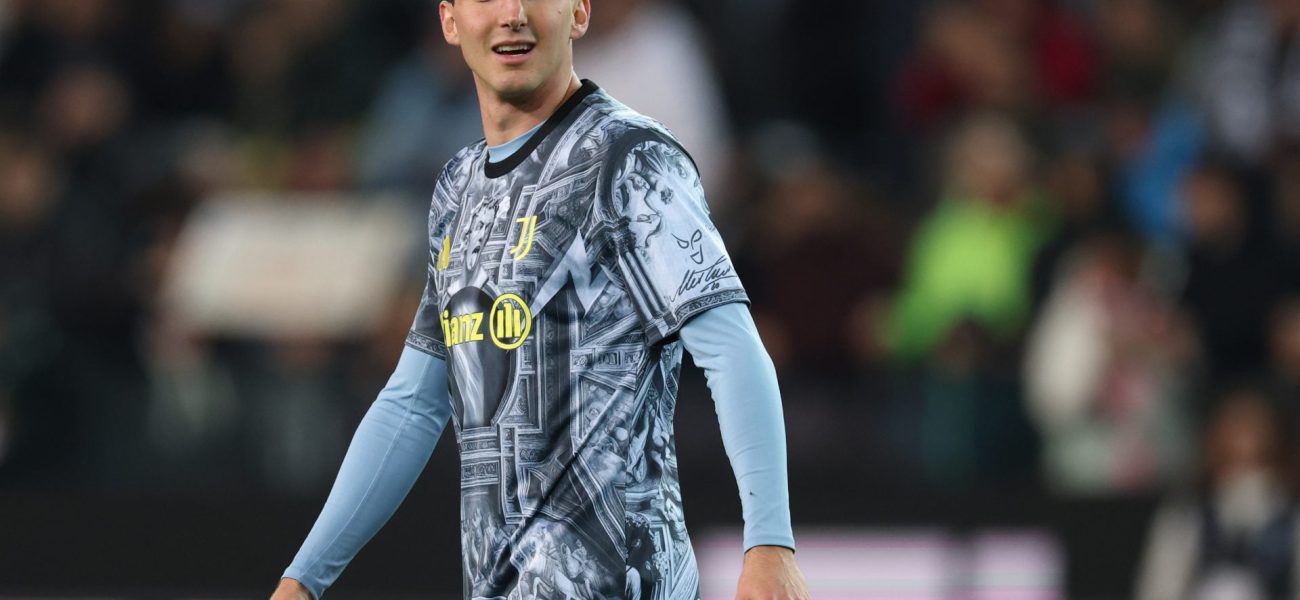
Such is the quiet narrative currently unfolding at FC Barcelona, a club whose every whisper sends ripples across a global fanbase stretching from Catalonia to Karachi. Despite a recent surge of media chatter linking them to Juventus’s versatile Italian fullback Andrea Cambiaso, club insiders — and those privy to the inner workings of the Catalan giants — paint a starkly different picture. They’re not interested. Not really. Not even a little bit.
You see, for all the speculation that saw Cambiaso’s name batted around Europe like a half-volley, Barça’s sporting directorate reportedly hasn’t even penciled him onto their ‘B’ list. It’s a reality check for the rumor mills, a quiet dismissal that strips away the glitz of what-ifs to expose the grind of strategic planning. But it isn’t surprising, is it? Not when you consider where Barcelona actually stands, both financially — and strategically, these days.
Because the truth is, this isn’t the first time the 26-year-old Cambiaso’s name has danced across Barcelona’s rumored radar. It popped up back in March too, — and each time, the club’s internal posture remained consistently cool. “We’re always assessing the market, of course, that’s our job,” stated a Barcelona spokesperson, speaking off the record to Policy Wire. “But genuine interest isn’t simply generated by newspaper columns or agents’ hopeful aspirations. We have our targets, — and they’re meticulously identified.” He declined to elaborate, obviously.
It’s an expensive world, this top-flight football. Cambiaso, for instance, came to Juventus in 2022 for €15.5 million and still has a contract stretching until 2029, reportedly packing a €50 million release clause. That’s not chump change, even for a club of Barcelona’s stature, especially when you factor in their well-documented economic constraints. As per a 2023 report from Football Benchmark, FC Barcelona’s operating revenue stood at €703 million, yet their struggle with accumulated debt remains a persistent headache, influencing every major spending decision. That’s why the gossip about securing a new, top-tier striker — Julian Alvarez’s name constantly cropping up — feels like a luxury rather than a given.
And what they really want, what they’re truly sweating over, is sorting out their left-back situation. Alejandro Balde, bless him, just hasn’t quite managed to consistently hit the notes they need. Their undisputed top priority? Joao Cancelo. The Portuguese international’s loan stint from Saudi Arabian club Al-Hilal — for a long time, the kind of club one bought players *from*, not loaned *to* — winds up on June 30th. Cancelo’s got another year on his contract with the Saudi outfit, and negotiations to secure his services permanently are apparently a rather delicate affair.
📄 POLICY WIRE WHITEPAPER PUBLISHED: PAKISTAN'S NATIONAL SECURITY POLICY PRIORITIES
👉 READ BY CLICKING HEREIt’s the quiet part aloud, the one that makes club officials everywhere sigh. “Every major club faces the same pressures: performance, finances, and keeping the rumor mill at bay,” commented one veteran agent who’s navigated the waters for decades, requesting anonymity to protect ongoing deals. “Sometimes a ‘no interest’ claim is designed to drive down a price. Other times, it’s just flat-out true. Barcelona isn’t a charity.” Nathaniel Brown of Eintracht Frankfurt was another left-back prospect mentioned earlier in the cycle, but he’s already garnering serious attention from the likes of Arsenal and Bayern Munich, leaving Barcelona far from the race, which isn’t an uncommon occurrence for the Catalans lately. Just another phantom limb in the transfer market — you feel it, but it isn’t there.
What This Means
This Barcelona non-interest story isn’t just about one Italian fullback. It’s a micro-snapshot of the evolving global economics and the shifting tectonic plates beneath elite European football. Firstly, it underscores Barcelona’s ongoing battle to balance sporting ambition with dire financial realities. The days of simply buying any talent that sparkles seem long gone, replaced by a ruthless pragmatism — a painful lesson in fiscal responsibility for one of the game’s historic spendthrifts. This isn’t just about one club; it’s a reflection of how financial fair play rules, debt loads, and a more cautious approach to spending are forcing even the biggest names to reconsider every transfer, resembling the intricate financial balancing acts seen across other major global industries.
Secondly, Cancelo’s situation highlights the burgeoning influence of Saudi Arabian football on the global stage. Once seen as a retirement league for aging stars, the Saudi Pro League, fueled by vast state wealth, now holds sway over active players, impacting transfers and setting price points that even traditional European giants sometimes struggle to match. This dynamic reflects a broader geopolitical trend: the strategic use of ‘soft power’ through sports and entertainment by Gulf nations. From the bustling streets of Lahore to the fervent fan clubs in Dhaka, football fanatics in the Muslim world devour news about clubs like Barcelona — unaware perhaps of the complex financial tug-of-war now inextricably linked to petrodollars from their own region, even when it’s simply for a loan fee or a transfer negotiation tactic. Their passion fuels the machine, but the machinations are far grander, far more opaque.
And finally, it’s a stark reminder that in the clamorous symphony of transfer rumors, often orchestrated by agents and breathless media alike, genuine club strategy is a far quieter, more deliberate tune. Discerning the signal from the noise becomes increasingly tough, demanding a journalistic ear finely tuned to the subtleties of denials and priorities. Sometimes, the most important news is what hasn’t happened, — and what quietly won’t.