

Silent Protocol: Dalai Lama’s Delhi Medical Visit Ripples Through Asian Diplomacy
POLICY WIRE — NEW DELHI, INDIA — Sometimes, the biggest tremors in international relations aren’t seismic policy shifts or aggressive military posturing. No, often they’re the softest,...

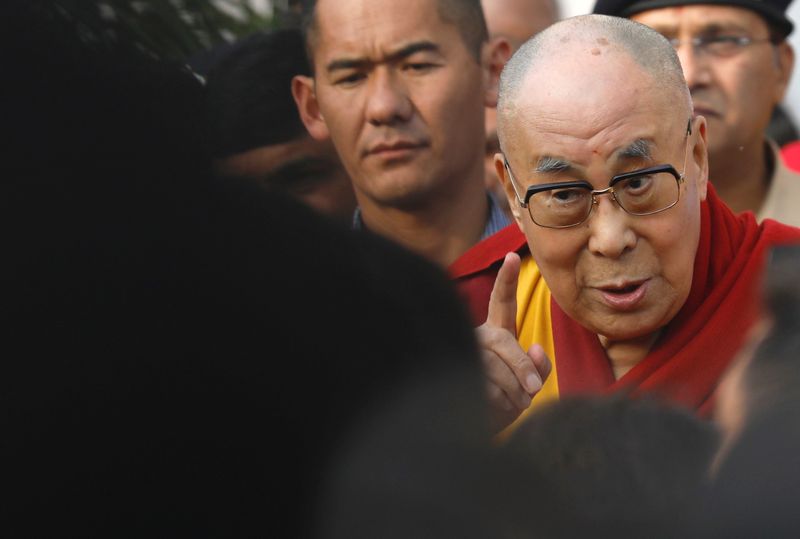
POLICY WIRE — NEW DELHI, INDIA — Sometimes, the biggest tremors in international relations aren’t seismic policy shifts or aggressive military posturing. No, often they’re the softest, most mundane movements: a 90-year-old spiritual leader seeking knee treatment. But for anyone tracking the ever-shifting sands of South Asian geopolitics, that simple medical trip to New Delhi, announced almost as an afterthought, whispers volumes.
It’s never just a health matter when the Dalai Lama’s involved, is it? It’s a statement, deliberate or otherwise. It underscores India’s prickly, if proud, custodianship of the Tibetan spiritual leader—a figure China consistently paints as a dangerous separatist, an agent provocateur. You can bet your bottom dollar Beijing’s foreign policy wonks are poring over satellite imagery and medical manifests, scrutinizing every nuance of this supposedly private visit. [QUOTE_PLACEHOLDER]
The very presence of His Holiness in India, a guest since his 1959 flight from Lhasa, remains a chronic thorn in China’s side. Now, with him reportedly set to undergo specific knee treatment in New Delhi, the symbolism only amplifies. He’s not just a man; he’s a living, breathing symbol of resistance, hope, and an ancient culture that China has, to put it mildly, absorbed. The Indian capital, therefore, morphs from a mere city into a stage, a hospital room a proxy for geopolitical tensions.
His advancing age—a full 90 years—pushes the unspoken, often uncomfortable, question of succession firmly back onto the diplomatic table. Beijing has its own ideas about who the next Dalai Lama should be, obviously, wanting a puppet it can control. But the traditionalists, those millions of faithful across the Tibetan plateau — and beyond, they don’t buy that script. It’s a battle for a soul, for influence, and for a narrative that plays out on the global stage, quietly, even in a bustling New Delhi hospital.
Because, while the West often sees this as a human rights issue or a spiritual cause, for New Delhi, it’s always been about much more. It’s about sovereignty, regional balance, — and the thorny embrace of its larger neighbor. India can’t be seen to abandon the Dalai Lama, yet it desperately needs to avoid outright provocation with an economically powerful, militarily imposing China. This medical visit? It’s another delicate dance step on that high wire.
And let’s not pretend India exists in a vacuum. It plays a complicated game across South Asia — and the broader Muslim world. Take Pakistan, for instance. A firm ally of China, Islamabad watches Delhi’s overtures to any adversary with a careful eye. While Pakistan won’t care directly about the Dalai Lama’s knee, it’s another piece in the mosaic of Indo-Chinese relations, shaping regional power dynamics. India has cultivated stronger ties with nations like the UAE and Saudi Arabia, leveraging cultural and economic diplomacy. This delicate ballet of maintaining autonomy while navigating Great Power politics is something many Muslim-majority nations in the region — from Indonesia to Turkey — are intimately familiar with, striving for sovereignty against overwhelming external pressures, be they economic or geopolitical.
📄 POLICY WIRE WHITEPAPER PUBLISHED: PAKISTAN'S NATIONAL SECURITY POLICY PRIORITIES
👉 READ BY CLICKING HEREThere’s also the element of India’s medical tourism sector here, often overlooked amidst the high politics. India’s burgeoning healthcare industry sees millions of international patients annually. A report by Statista projected India’s medical tourism market to reach USD 9 billion by 2026, with its relatively affordable, high-quality care attracting visitors from around the globe, particularly from developing nations. The Dalai Lama’s choice of Delhi for his knee treatment, therefore, subtly affirms this growing sector, even as the world fixates on its more profound political echoes.
It’s not just an old man needing a new part, not in this game. It’s an aged symbol of defiance in a global hotbed of influence, putting yet another nuanced strain on relations between two of the world’s most populous and powerful nations. The quiet protocols surrounding his medical care are probably just as detailed, just as politically loaded, as any high-level summit agreement.
What This Means
This medical trip isn’t simply a humanitarian concern; it’s a loaded diplomatic event. First, it re-emphasizes India’s long-standing, if precarious, role as the custodian of Tibetan Buddhist culture and the home-in-exile for the Dalai Lama. Delhi is affirming its independent foreign policy stance, quietly, through medical logistics. For China, it’s another reminder of what it sees as India’s support for separatism, undoubtedly fueling further resentment and potentially influencing border discussions or economic partnerships.
Second, the timing, with the Dalai Lama reaching a venerable 90, inevitably thrusts the succession question back into the spotlight. Any signs of declining health intensify Beijing’s desire to install its chosen successor, setting up a potentially explosive spiritual and political battle upon his eventual passing. This move to New Delhi could be seen as the Indian side, perhaps subtly, affirming its commitment to the traditional process, challenging China’s claims to spiritual authority. Economically, while not a massive driver, the visit implicitly validates India’s healthcare system, potentially boosting its profile in medical tourism, especially among the global Tibetan diaspora and sympathizers. This small, seemingly innocuous journey is packed with enough political meaning to keep analysts busy for years.