


The Stress Fracture Economy: A Sports Titan’s Rib Echoes Global Market Pressures
POLICY WIRE — New York City, USA — When millions hung on the diagnostic pronouncements of unseen specialists, their focus was not geopolitics, or emerging market fluctuations, but the integrity of a...

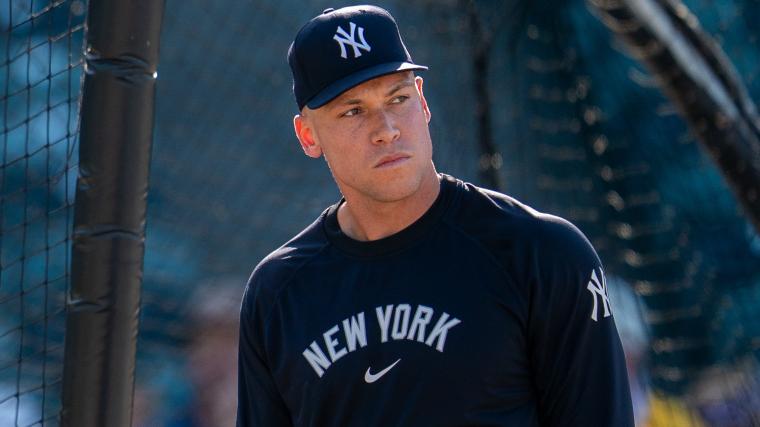
POLICY WIRE — New York City, USA — When millions hung on the diagnostic pronouncements of unseen specialists, their focus was not geopolitics, or emerging market fluctuations, but the integrity of a single athlete’s skeletal structure. It wasn’t a G20 summit; it was the lingering absence of Aaron Judge from the New York Yankees lineup, a silence that spoke volumes about the precarious economics of athletic stardom. And the anxieties surrounding his well-being, for Yankees faithful and even rival fanbases alike, truly reached fever pitch.
It’s hard to imagine, but a stress fracture, that nagging, almost mundane ailment, can bring a global sports economy to a halt—or at least to a breath-held pause. Fans from Boston to Lahore were grappling with whispers of a potentially season-ending catastrophe, rumors swirling about Judge, a man whose sheer presence warps opposing strategies. He is, to put it plainly, a walking, breathing financial asset, insured for dizzying sums, whose every swing holds millions in potential revenue. Imagine the sheer capital tied up in that one man’s athletic career—the advertising deals, the ticket sales, the television rights. It’s an almost unfathomable investment, one that sends scouts and medical teams halfway across the world just to keep it performing. [QUOTE_PLACEHOLDER]
The saga began with vague reports, then fear. Judge had missed the last couple of games, seeking second — and third opinions from doctors all over the country. This isn’t just about a star; it’s about safeguarding an entire revenue stream. Some feared the Yankees captain was on pace to miss the remainder of the 2026 season. That kind of prognosis sends shockwaves, affecting everything from championship odds to team stock valuations, however indirect. But, you know, sports works in mysterious ways. Suddenly, a new report implies that Judge could be back on the diamond as soon as late August.
The relief was palpable, even for those with no particular allegiance to the Bronx Bombers. And for the Red Sox fans who’d rather not see him play but also don’t want their rival’s achievements asterisked, it’s a peculiar kind of solace. This news offers both hope and a definite timeline, a luxury in the usually opaque world of high-profile athletic injuries. According to a report by Jorge Castillo on X, word arrived: ‘Aaron Judge has been diagnosed with a stress fracture of the first rib on his right side, the Yankees announced.’ The specified healing time further clarifies the situation: ‘He will be reimaged in approximately four to six weeks.’
But the repercussions extend beyond simple fan elation. Judge has 34 home runs and 74 RBI in his 120 career games played against Boston, a statistic (straight from MLB records) that not only underscores his impact but also the sheer commercial weight he carries into every high-stakes rivalry game. These are not merely games; they’re marquee events, meticulously crafted to maximize viewer engagement and, crucially, advertiser spend. The mere possibility of his absence was a disruption to a carefully constructed economic model, a model built on predictable performances from unpredictable human bodies.
📄 POLICY WIRE WHITEPAPER PUBLISHED: PAKISTAN'S NATIONAL SECURITY POLICY PRIORITIES
👉 READ BY CLICKING HEREAnd so, while a stress fracture sounds awful for Judge, it’s good news for several Yankees fans who feared the worst. It’s also good news as well for many Red Sox fans who genuinely appreciate the competition. The reigning AL MVP won’t only miss the series starting Friday in the Bronx, but the series at Fenway Park to close out June as well. This absence still provides a temporary strategic advantage for Boston, certainly, but it’s an advantage not borne of a season-ending catastrophe.
The scramble for a definitive diagnosis, spanning multiple elite medical opinions across the US, reflects a broader global truth. From the hyper-specialized orthopedics in the U.S. to the growing demand for top-tier medical facilities in places like Karachi or Dubai, the pursuit of health, particularly for high-value individuals, is an increasingly globalized, high-tech, and often incredibly expensive endeavor. We’ve seen similar patterns in sports talent—where a Red Sox Gambit Exposes Deeper Currents in Global Talent Migration, reflecting the worldwide search for athletic prowess.
What This Means
This incident, ostensibly a simple sports injury, really offers a fascinating snapshot of modern capital — and celebrity. It’s not just about baseball; it’s about how global economies increasingly value individual talent as both performance art and financial instrument. The swiftness with which a preliminary ‘season-ending’ rumor morphs into a relatively manageable timeline underscores the intense media scrutiny and the pressure on teams to manage their human capital—their most valuable and volatile assets. For regions like South Asia, where the infrastructure for elite sports medicine might not be as advanced, this American odyssey for multiple medical opinions isn’t just news; it’s a window into the dizzying investment made in what’s effectively a physical commodity. It hints at a future where access to the ‘best’ diagnostics becomes another facet of global inequality. Because in a world where performance drives astronomical revenues, a single rib can hold surprising geopolitical and economic sway.