


Flesh-Eating Threat Returns: US Beef at Risk as Screwworm Fly Strains Borders and Billions
POLICY WIRE — Washington D.C. — Forget the typical border skirmishes; this one’s got six legs and a voracious appetite for live flesh. We’re talking about the New World...

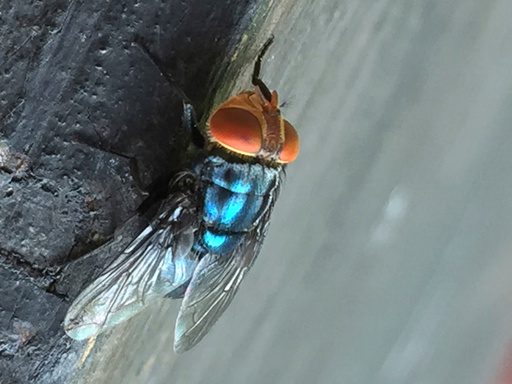
POLICY WIRE — Washington D.C. — Forget the typical border skirmishes; this one’s got six legs and a voracious appetite for live flesh. We’re talking about the New World screwworm fly, a menace many thought eradicated from the American consciousness—a creature that thrives on open wounds and, frankly, makes stomachs churn. Now, it’s back. Not as a B-movie monster, but as a chilling reality threatening Texas ranchers and the nation’s beef supply, starkly highlighting just how fragile our biosecurity systems are, especially when pitted against nature’s more unsettling creations. It’s a tale of grotesque biology meeting high-stakes economics, a battle we apparently’d forgotten how to fight.
An infestation of its flesh-eating larvae
— yes, you heard right — was confirmed in a single, three-week-old calf in La Pryor, Texas, barely fifty miles from the U.S.-Mexico border. But this wasn’t some surprise attack. Officials had been sounding alarms for nearly two years. Federal and state agencies had, until this moment, been in a desperate scramble to keep the parasite out, particularly from Texas, a state that alone holds 17 billion dollars worth of the nation’s cattle. That’s a lot of steaks, a lot of leather, — and a whole heap of worry now. [QUOTE_PLACEHOLDER]
Historically, this fly was an annual warm-weather curse from the 1930s to the 1960s. Then, clever, albeit somewhat bizarre, science stepped in. The U.S. managed to eradicate the pest by breeding sterile male flies, dropping literal swarms from planes, letting them mate with wild females, who, rather inconveniently for their species, only mate once in their monthslong lives. If that one rendezvous is with a sterile partner, well, no baby flies. Once enough sterile males saturated the environment, the population crashed. This system, frankly ingenious, worked. The USDA said the most recent case in Texas was the first since 1966. For almost sixty years, we’d lived in peace.
But the pest didn’t just vanish from existence. It was contained, largely at the southern end of Panama, thanks to a joint U.S.-Panama program established in 1994. Then, late in 2024, it showed up in Mexico. Then Costa Rica. Then Nicaragua. Stephen Diebel, a Texas rancher, isn’t messing around. He warned that even wounds as small as a tick bite
can open a gateway for these little monsters. Ranchers are already administering injections to prevent infestation, treating minor scrapes, keeping hawk-like vigilance.
The situation takes a rather diplomatic turn. U.S. Agriculture Secretary Brooke Rollins — who closed border entries to livestock months ago, a move she credited with delaying the fly’s arrival in Texas by a year — didn’t pull punches, suggesting the Mexican government hadn’t done enough. Mexican authorities, predictably, pushed back on that. It’s an international agricultural spat, — and nobody’s winning when flesh-eating maggots are on the move. Meanwhile, on a grim global scale, we’ve got numbers to chill you. As of June 2, this parasite had sickened more than 171,700 animals and 2,000 people across Central America and Mexico,
and the U.S. Centers for Disease Control — and Prevention reports there have been 10 human deaths
from it. This isn’t just about livestock anymore. This is about lives.
It’s also a glaring example of how global climate shifts are changing the game. Lee Haines, a research professor from Notre Dame, points out that climate change is a key element in this resurgence. A tropical species, the fly just loves warm weather. Warmer temperatures are expanding its range, she explained, and the cold snaps that used to naturally cull their numbers in marginal habitats? They’re just not as frequent, not as severe anymore. So, the fly keeps marching. And because it moves fast, regenerating quicker than efforts can contain it, it’s a hell of a fight. Just as critical are the discussions around biosecurity, and how fragile even advanced nations are to resurgent threats, underscoring broader global trade vulnerabilities.
📄 POLICY WIRE WHITEPAPER PUBLISHED: PAKISTAN'S NATIONAL SECURITY POLICY PRIORITIES
👉 READ BY CLICKING HEREConsider the potential ripple effects in regions like Pakistan or parts of South Asia — and the broader Muslim world. They often operate with less comprehensive veterinary oversight and less robust border controls than Western nations, not to mention a disproportionate vulnerability to climate change impacts. Imagine this menace finding a foothold in areas heavily reliant on subsistence farming and livestock for their economies and protein. It’s a grim picture, particularly where communities are already battling vector-borne diseases and extreme weather. The same climate patterns pushing the screwworm into Texas could wreak unimaginable havoc elsewhere, straining health infrastructure and exacerbating existing food security issues.
The USDA, bless ’em, isn’t sitting still. They’re already dropping sterile flies twice a week in south Texas—a total of four million of the little buggers—plus planting another four million as pupae. They’ve pumped $21 million into a new fly-breeding facility in southern Mexico, due to open next month. And because ‘go big or go home’ seems to be the USDA’s mantra, they’re also investing $750 million into a Texas fly factory capable of churning out 300 million sterile flies every week. Talk about industrial-scale pest control. That’s a lot of money on a fly. Because when something starts eating your primary export, you don’t mess around.
What This Means
The reappearance of the New World screwworm fly isn’t merely an agricultural nuisance; it’s a political hot potato and an economic bellwether. Economically, the immediate threat to the $113 billion U.S. cattle industry is substantial. While agriculture officials like Brooke Rollins are quick to assure us it’s unlikely to damage beef production
and won’t infest food, the sheer cost of the eradication efforts—hundreds of millions for new facilities and ongoing operations—will inevitably impact consumers already facing record prices. The ranchers themselves face heightened operational costs, increased vigilance, and potential losses if treatments fail. Politically, the blame game between Washington and Mexico City over border controls and biosecurity highlights strained diplomatic ties. The dispute over Mexican efforts underscores a fundamental disagreement on shared environmental and agricultural responsibilities, complicating future cross-border cooperation on issues ranging from migration to drug enforcement. the episode serves as a stark reminder of how rapidly climate change is altering global ecosystems, pushing tropical diseases into new latitudes. This isn’t just about a fly; it’s about the unforeseen costs of a warming planet and the complex, often fractured, international responses required to deal with them.