New Mexico Athletics Braces for Seismic Transfer Shake-Up
POLICY WIRE — Albuquerque, N.M. — The ripple effects could transform the athletic landscape, shaking up rosters and sparking anxieties among coaches who’ve built programs painstakingly over...

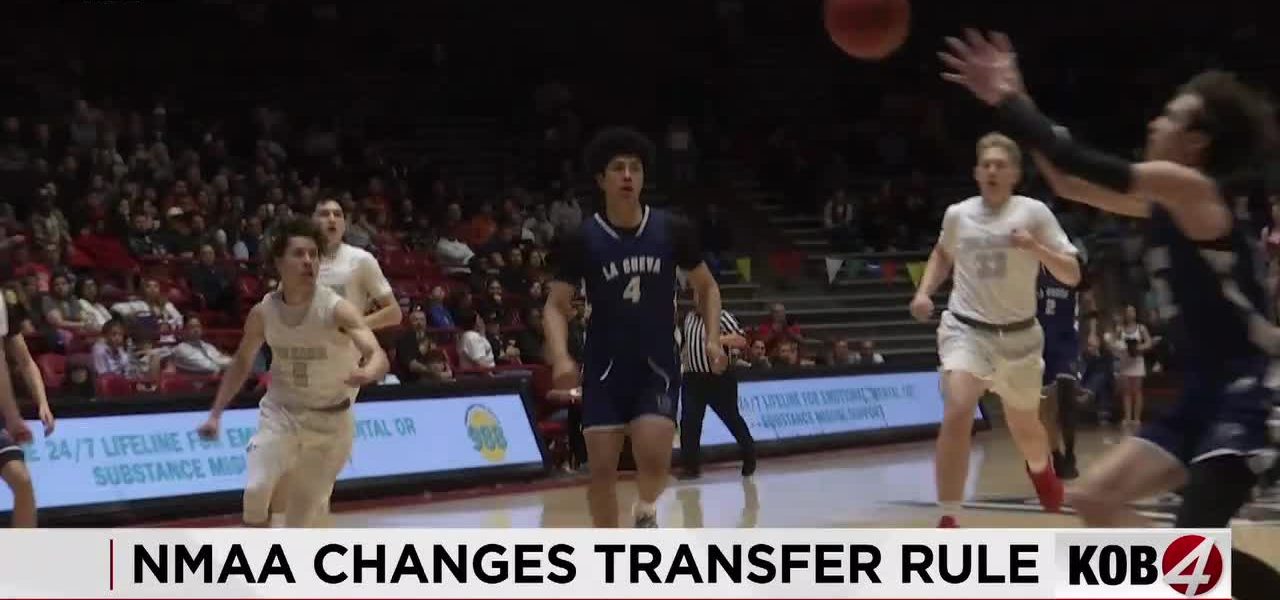
POLICY WIRE — Albuquerque, N.M. — The ripple effects could transform the athletic landscape, shaking up rosters and sparking anxieties among coaches who’ve built programs painstakingly over years. Not with some grand, statewide reform, but with a seemingly simple tweak to who plays where, — and when. The New Mexico Activities Association (NMAA) Board of Directors, often perceived as a quiet arbiter of prep sports, has just voted to advance a bylaw change that could allow student-athletes to transfer schools—and gain immediate varsity eligibility for their first move.
It’s a bold maneuver. A distinct departure from the traditional paradigm that often benched students for a full year after a school switch, designed to deter perceived “shopping” for better sports programs. And let’s be honest, those year-long sit-out periods, they always felt a little punitive, didn’t they? This isn’t just about moving across town; it’s about a newfound freedom for students—and, perhaps, a fresh set of headaches for school administrators. The proposed change, now slated for a two-week voting period by NMAA member schools, applies only to a student’s initial transfer. Subsequent moves, unless under extraordinary circumstances, would still entail a mandatory year on the sidelines for varsity play. Importantly, the proposal carves out an exception for transfers from specialized sports academies, who won’t enjoy this immediate eligibility—a sensible provision, many contend, preventing these institutions from simply acting as athlete pipelines.
“We believe this amendment truly puts the student-athlete’s well-being first,” commented Sally Chavez, NMAA Executive Director, in a recent Policy Wire interview. “Life happens. Families relocate, circumstances change. Our aim is to prevent a rule designed for fairness from inadvertently penalizing young people simply seeking the best academic and athletic fit.” Her optimism, though, doesn’t necessarily translate universally.
But there’s a lurking disquiet among those charged with maintaining competitive parity. Coach Marcus Thorne, a long-serving high school basketball coach from Farmington, voiced concerns that, let’s just say, weren’t quite so rosy. “Look, I get it. Kids need options. But we work hard to build community, to foster loyalty,” Thorne stated, his voice a low growl over the phone. “You just open the door, — and suddenly every winning team becomes a magnet. It’s tough to build a cohesive unit when you’re always wondering who’s staying and who’s got a foot out the door for greener pastures.” Thorne’s observations aren’t without merit. This proposal could irrevocably alter team dynamics and, potentially, the balance of power across athletic districts.
This isn’t an issue unique to the arid landscapes of New Mexico, either. In burgeoning metropolises across Pakistan—Lahore, Karachi—schools and sporting clubs face similar dilemmas with youth movement. As families increasingly prioritize specific educational offerings or the quality of a sports program, the traditional concept of localized, lifelong athletic allegiance erodes. Students whose parents relocate from, say, a multinational post in Dubai or a development project in Islamabad, bringing their families to Albuquerque, would now face a more seamless transition into New Mexico’s athletic fabric, immediately participating without losing a year—something that makes practical sense for a globally mobile populace.
📄 POLICY WIRE WHITEPAPER PUBLISHED: PAKISTAN'S NATIONAL SECURITY POLICY PRIORITIES
👉 READ BY CLICKING HEREThe push for such flexibility isn’t coming from nowhere. A 2023 informal survey of high school athletic directors conducted by the National Interscholastic Athletic Administrators Association (NIAAA) found that nearly 60% of respondents nationwide reported an increase in student transfers over the past five years, suggesting the current landscape is already far from static. Schools, for better or worse, have become more like a fluid marketplace, and this NMAA proposal is an acknowledgement of that evolving reality, not its sole instigator. It’s trying to streamline what’s already happening.
What This Means
The implications of this NMAA shift are manifold, economically — and politically. Economically, winning athletic programs often correlate with increased community engagement and, by extension, property values and local commerce. If student-athletes can more easily gravitate towards historically successful schools, it might further concentrate athletic talent, making it harder for developing programs to compete. This could lead to a ‘super-team’ phenomenon in certain sports, draining talent from smaller or less affluent districts—and that’s not good for fostering broad participation or community pride.
Politically, the bylaw change creates a subtle tension between student autonomy — and institutional stability. School boards and athletic departments, already navigating budget cuts and evolving educational standards, will now also grapple with a more transient athletic population. They’ll need to adapt coaching strategies and recruitment practices—because, though direct recruiting remains prohibited, the allure of immediate play at a top program will certainly factor into student decisions. Some administrators might see this as an unwelcome administrative burden, while others might hail it as a progressive step for student rights. Don’t be surprised if debates intensify around resource allocation for athletic programs in the coming months, especially if perceived imbalances become stark. It’s never just about the kids playing ball, is it?