

High School Athletics Embraces the Free Agent Model: New Mexico Rewrites the Rules
POLICY WIRE — Albuquerque, United States — They call it the free agent era, and it’s no longer confined to million-dollar contracts and prime-time sports. That ethos, a rather capitalistic one, is...

POLICY WIRE — Albuquerque, United States — They call it the free agent era, and it’s no longer confined to million-dollar contracts and prime-time sports. That ethos, a rather capitalistic one, is trickling down. It’s reshaping college athletics with its chaotic transfer portal, and now, it appears high school sports are getting a taste of the future.
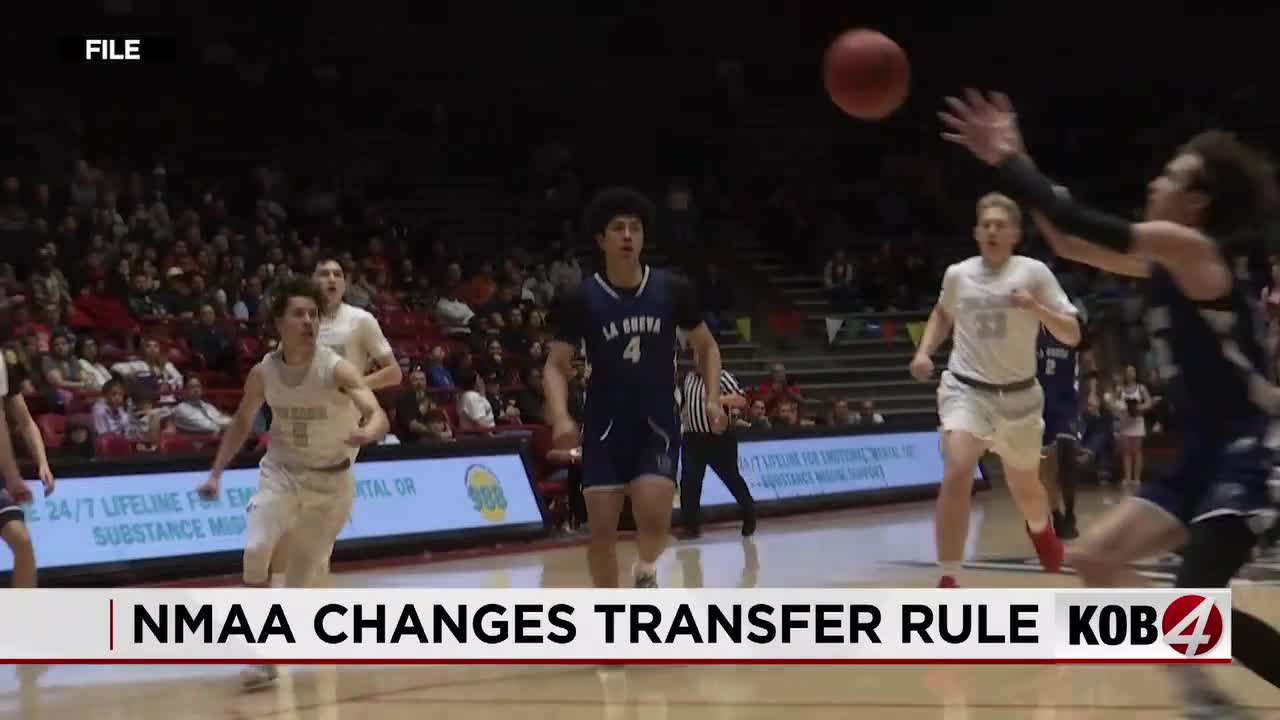
Down in New Mexico, the often-staid New Mexico Activities Association (NMAA) Board of Directors just pushed through a rather significant tweak. No, it wasn’t about stricter uniform policies or debating snack bar concessions; this was about bodies in motion, talent on the move, and the fundamental concept of athletic allegiance. They’ve essentially given a nod to what could be interpreted as a one-time express lane for students, clearing the way for them to transfer schools without penalty, and be immediately eligible for varsity athletics on their first transfer.
It’s not just a dusty bureaucratic change; it’s a crack in the foundation of traditional amateurism, and it’s something many hadn’t anticipated at this level. Critics worry it’ll lead to what we’ve seen in bigger leagues: poaching, talent stratification, and perhaps even the decline of community sports. But, defenders would tell ya, it’s about student choice — and finding the best fit, right?
The proposal now waits for NMAA member schools, who’ve got a couple of weeks to cast their ballots on the proposed bylaw change. Think about the implications. We’re talking about teenagers. Athletes looking for a better shot, maybe a scholarship. Parents who don’t want their kids warming the bench or believe a new coaching staff is the key to unlocking potential. It’s a dynamic many nations grapple with, albeit in different contexts. In countries like Pakistan, for instance, the emphasis in youth development often leans heavily on academic tracks, with sports, particularly individual ones like cricket or squash, gaining prestige for international representation. But team sports? That often remains deeply rooted in school or local club loyalty, where the concept of athletic transfers is less about a formal process and more about geographical shifts or family ties. The thought of actively seeking a better team with easier eligibility would feel foreign, almost counter to the intrinsic community spirit.
And let’s be clear: this isn’t a wide-open season for hopping from one jersey to the next. The NMAA rules, as proposed, would only apply to a student’s first transfer. Should they decide to pack up their gear again, they would still have to sit out a year of varsity athletics unless they meet certain criteria. There are still lines in the sand, particularly when it comes to recruiting—that’s a big no-no, [QUOTE_PLACEHOLDER]. Oh, — and if you’re thinking about bringing in talent from a specialized sports academy outside the state? Forget it. Students transferring to New Mexico from a specialized sports academy won’t be eligible for the first transfer rule. It’s a protectionist clause, maybe, an attempt to prevent an exodus of raw talent being imported purely for athletic gain.
The shift here feels significant. According to a 2023 National Federation of State High School Associations (NFHS) report on student-athlete eligibility trends, only 14 states currently offer full immediate eligibility for all transfers. This makes New Mexico’s move toward a one-time penalty-free transfer part of a slow but noticeable tide of liberalization in high school sports rules across the country, aiming perhaps to stem athlete burnout or keep participation numbers robust.
It’s a tough needle to thread: how do you foster competition, allow students to thrive, and prevent the sport from becoming an exploitative, win-at-all-costs environment? Because frankly, when winning becomes the only metric, things tend to get messy. Think about the pressures this might create on smaller schools, perhaps those with fewer resources or less successful programs, if their top players can just—poof!—vanish to a neighboring powerhouse without a hiccup. That doesn’t feel particularly equitable, does it?
What This Means
This bylaw change, should it pass, doesn’t just reconfigure New Mexico’s athletic landscape; it hints at a broader philosophical realignment within youth sports. Economically, we could see a ‘talent market’ emerge where athletic prowess, even at the high school level, holds new leverage. Elite athletes might gravitate toward schools perceived to offer better exposure or coaching, potentially creating ‘super teams’ in certain districts while leaving smaller, rural schools struggling to retain competitive rosters. Politically, this opens the door for a future legislative debate around fairness, school funding, and whether taxpayer dollars should subsidize schools effectively acting as athletic recruitment hubs. We’re moving towards a model where athletic mobility becomes a key variable in educational choice. For communities, this could dilute the local pride typically associated with school sports, as allegiances become more fluid. It could foster an environment where a school’s identity isn’t just about its academic rigor, but also its capacity to attract—and retain—top-tier athletic talent. This sort of athletic free agency, reminiscent of the broader ‘brain drain’ conversations in South Asia regarding skilled professionals migrating for better prospects, shows how individual opportunity can sometimes clash with communal stability. It’s a conversation worth having, — and frankly, we’re probably just getting started.