


Timed Out: Nepal’s Awkward Apology and Cricket’s Spirit Under Scrutiny
POLICY WIRE — Kuala Lumpur, Malaysia — It takes a special kind of sports moment to generate an official apology from a national cricketing body. Yet, here we’re, staring down the peculiar...

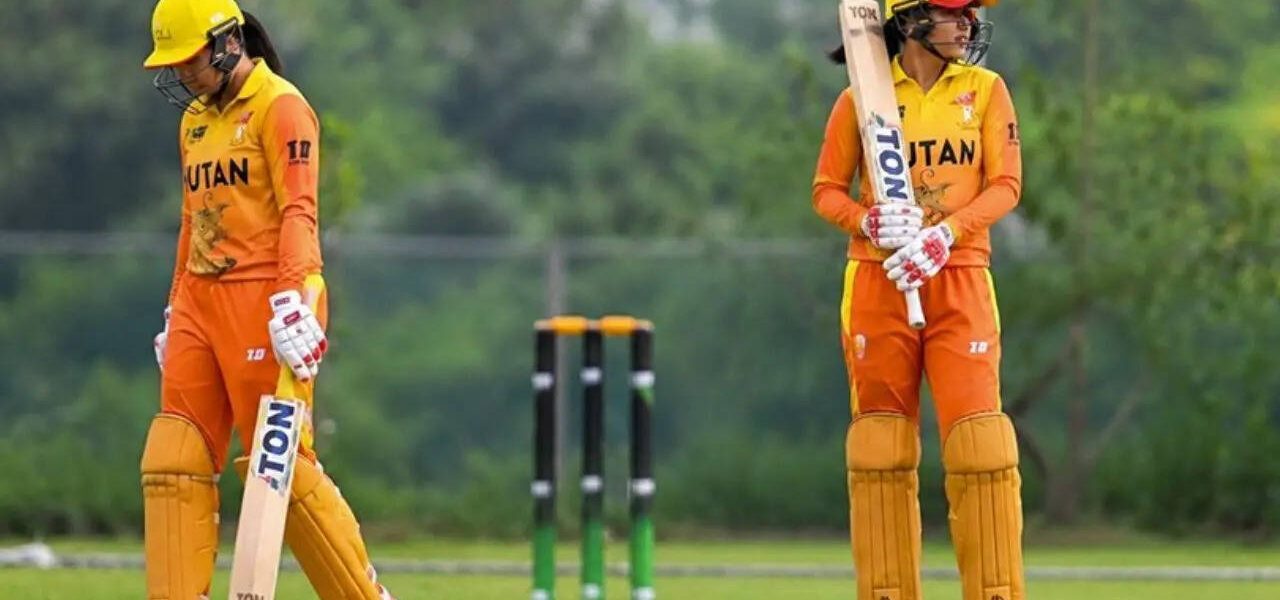
POLICY WIRE — Kuala Lumpur, Malaysia — It takes a special kind of sports moment to generate an official apology from a national cricketing body. Yet, here we’re, staring down the peculiar aftermath of a women’s ACC Premier Cup fixture in Malaysia where Bhutanese batter Ritshi Choden found herself navigating a cricket pitch — and international headlines — for reasons no athlete hopes for. It wasn’t a record-breaking century or a dazzling run-out; it was a ‘timed out’ dismissal, the first of its kind in women’s international play, leaving everyone a bit stumped. Literally. But the real story here isn’t just about a rulebook. It’s about a sporting conscience. And perhaps, the subtle, awkward dance between upholding rules and embodying fair play in a region where cricket is nothing short of religion.
The whole kerfuffle kicked off during Bhutan’s chase against Nepal. Barely a ball into the innings, opening batter Ngawang Choden got herself sent packing. Pretty standard, really. But then came the peculiar part. Ritshi Choden, next up, evidently wasn’t quick enough to the crease. Ninety seconds is the widely accepted allowance — sometimes it’s two or three minutes depending on specific regulations— to be prepared for the next delivery once a wicket falls. For this tournament, sources close to the event confirmed the tight 90-second window. Ritshi, carrying her gear, clearly exceeded it. And Nepal, ever so clinically, appealed. Umpires, bound by the letter of the law, had little choice. She was out. A quiet, dignified exit, apparently, without much fuss from Choden herself. Two down for zero runs, one delivery gone. Not exactly a dream start for Bhutan.
Now, technically, Nepal played by the rules. No argument there. But something about it—the sheer finality of the dismissal, the seemingly petty nature in the broader spirit of the game—left a sour taste. It sure left a rather belated pang of conscience within Nepal’s cricket brass. They put out a statement afterwards. A public apology, mind you, that pretty much amounted to, ‘Yeah, we followed the rule, but we feel kinda crappy about it now.’ They insisted it didn’t align with the values the Cricket Association of Nepal (CAN) wants to promote. “The incident involving the timed-out dismissal of a Bhutanese batter during today’s match doesn’t reflect the values and spirit of cricket that the Cricket Association of Nepal (CAN) strives to uphold,” the CAN communiqué declared, an official self-rebuke. They called it right: sometimes the written laws miss the mark on sportsmanship.
“We were faced with a situation that, while entirely within the bounds of play, challenged our broader sense of competitive ethics,” explained Prakash Gurung, a CAN Board Member, attempting to clarify the board’s regret without overtly criticising their own team’s in-game decision. “Our young players are learning the game at an international level, and while technical adherence is important, so too is the goodwill that underpins our sport in South Asia.” But let’s be frank: the decision was made on the field, in the heat of battle. And it probably gave Nepal an edge they were happy to take at the time. Only after the cameras captured Choden’s crestfallen departure, and perhaps a wider discussion broke out across the cricketing fraternity, did the apology materialise.
Because, well, that’s often how these things go. The optics, especially in the tight-knit world of South Asian cricket, matter immensely. A rising cricket nation like Nepal — aspiring for greater regional dominance and hoping to inspire its own burgeoning women’s team — can’t afford to be seen as ruthlessly trampling over a smaller, developing team like Bhutan for a minor advantage. It’s not just about a game. It’s about diplomacy. It’s about regional standing. And the perception of a nation.
📄 POLICY WIRE WHITEPAPER PUBLISHED: PAKISTAN'S NATIONAL SECURITY POLICY PRIORITIES
👉 READ BY CLICKING HEREEven redemption’s embrace sometimes starts with acknowledging a foul. One senior official from the Bhutan Cricket Council, speaking on condition of anonymity due to the delicate nature of cross-border sporting relations, acknowledged the dismissal as a “tough pill to swallow.” He went on to say, “Ritshi is one of our promising players. It was a lapse, perhaps, but one borne of the pressure, not malice. We’d like to see games decided by skill, not stopwatch. But rules are rules, they say.” His unspoken irony hung heavy in the air. This incident certainly put the microscope on something far larger than just one batter’s timing.
What This Means
This incident, far from being a trivial sporting footnote, serves as a sharp commentary on the evolving landscape of women’s cricket, especially across the South Asian and Muslim world. For nascent cricketing nations like Bhutan, where resources are limited and players often balance other responsibilities, such a rule application feels harsh, perhaps even discouraging. It highlights the stark difference between highly professionalized outfits — and those still finding their footing. The sport’s growth in regions like Pakistan, for example, heavily relies on inspiring new talent and fostering a sense of community, not alienating participants over obscure technicalities. Indeed, data from the International Cricket Council (ICC) in 2023 showed that participation in women’s cricket had grown by 15% globally in the last three years, with a significant portion of this growth stemming from developing cricketing nations in Asia and Africa.
But the apology from Nepal’s CAN suggests a sophisticated understanding that the spirit of the game, adilana khail (fair play) in Urdu — which resonates deeply across the region, from the streets of Karachi to the valleys of Kathmandu — often transcends the letter of the law. This isn’t just about fair play; it’s about safeguarding the future appeal of the sport. Countries like Nepal are keen to lead by example as women’s cricket continues its rapid expansion. A cold, clinical application of the rules in a women’s regional tournament risks overshadowing the very efforts to promote inclusivity and growth. It’s a reminder that global sporting regulations sometimes clash with regional sporting ethics. The message here? While ambition to win is natural, sacrificing good faith at the altar of technicalities can, — and often does, backfire. For Nepal, the apology wasn’t just good sportsmanship; it was also shrewd politics.