

Cleveland’s Gambit: When Losing a Star Becomes a Cold Economic Logic
POLICY WIRE — Los Angeles, United States — Sometimes, a high-profile exit tells a richer story about the organization left behind than the glitzy destination. We’re not talking...

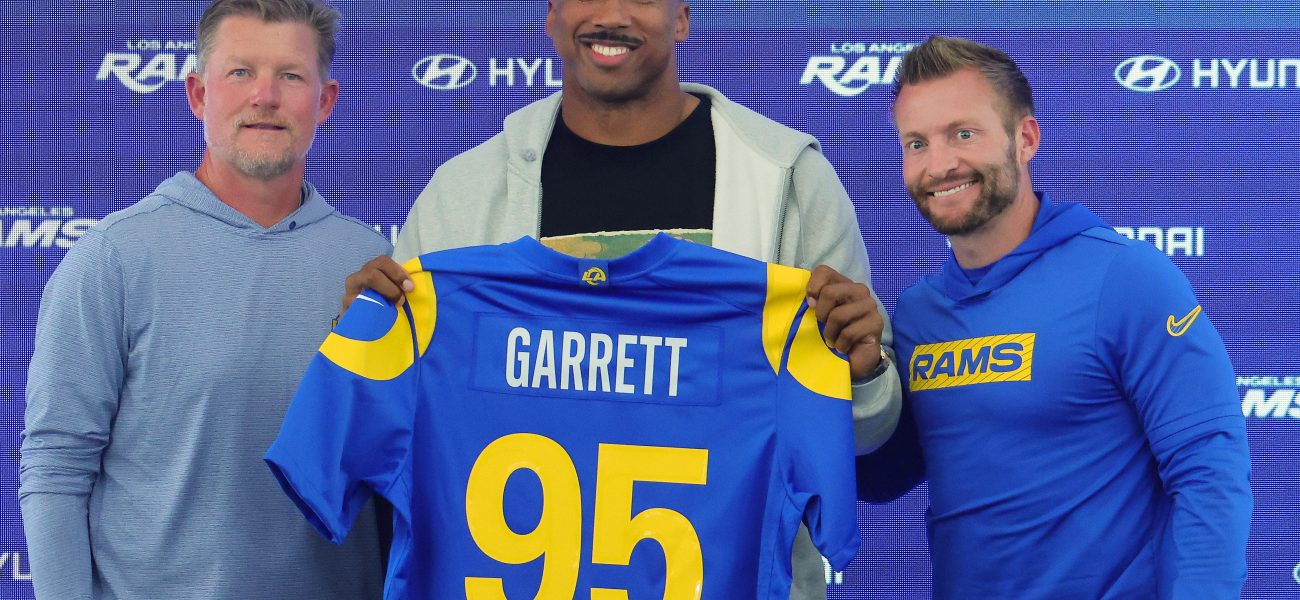
POLICY WIRE — Los Angeles, United States — Sometimes, a high-profile exit tells a richer story about the organization left behind than the glitzy destination. We’re not talking about geopolitical dissidents or corporate defectors, but the stark economic calculus at play when the Cleveland Browns – bless their hearts – jettisoned star defensive end Myles Garrett to the sunny embrace of the Los Angeles Rams. It wasn’t a surprise for anyone watching the tea leaves, even if Cleveland fans are still collectively holding their breath, waiting for the other shoe to drop. But, truly, what else were they to do?
This isn’t about a trade; it’s about an expensive, protracted confession of managerial sin. Years of missteps, really. The grand, ill-fated gambit for Deshaun Watson, a quarterback whose contract remains a monument to hope over reality, casts a long shadow. But even Watson wasn’t the root problem. That stretches back — all the way back — to the 2018 NFL Draft, when Cleveland, clutching the coveted first overall pick, opted for Baker Mayfield. Not Lamar Jackson. Not Josh Allen. Those two have Super Bowl rings. MVP trophies. Dynasties, brewing or solidified. Mayfield, for all his fire, proved a flickering candle. It set the whole messy chain in motion, you see.
It’s an echo of global talent flight, actually. Think of highly skilled professionals, often from developing economies, seeing their “home” organizations flounder while competitors – better resourced, more stable – beckon with promise. They move. It’s human nature. That’s not to say Cleveland is a “developing economy,” but in the harsh ecosystem of the NFL, they’ve been struggling for viable infrastructure — the ‘franchise quarterback’ equivalent of a reliable energy grid. The fiscal realities, they hit everyone.
“We faced a legitimately agonizing decision,” admitted Browns General Manager Andrew Berry, carefully choosing his words during a terse press briefing following the trade. “You either continue to commit an increasingly outsized portion of your limited resources to one truly generational player, the very identity of your franchise — a ‘crown jewel,’ if you will — or you recognize the cold, hard reality: our overall investment simply hasn’t yielded the competitive dividends necessary to make that particular luxury sustainable.” A stark assessment, that. A political analyst might call it ‘asset reallocation under duress.’
Garrett, meanwhile, wasn’t publicly pushing for the move, though his inner circle — the powerful Klutch Sports agency, with ties right up to LeBron James himself — undoubtedly understood the larger landscape. An elite athlete on a losing team, it’s a diminishing return. From a sheer economic output standpoint, his value, immense as it’s, is amplified by championships. And Cleveland simply wasn’t providing that. “Myles is a premier talent, an absolute game-wrecker,” remarked Rams General Manager Les Snead, his grin visible even through the teleconference screen. “But we don’t just acquire talent; we acquire players who want to win, who want to elevate those around them. This was a convergence of clear ambition.” No subtle jab at Cleveland, just pure, unadulterated capitalist opportunity.
📄 POLICY WIRE WHITEPAPER PUBLISHED: PAKISTAN'S NATIONAL SECURITY POLICY PRIORITIES
👉 READ BY CLICKING HERELet’s face it, the NFL is a business, — and players are, fundamentally, assets. The market dictates. Yesterday’s hero sometimes becomes tomorrow’s trade bait. This particular transaction highlights the often brutal efficiency of American sports leagues. Per NFL Players Association data from 2023, only 4.5% of first-round draft picks make it to their second contract with the team that originally drafted them. Think about that — nearly 95% of top-tier investments don’t pan out for the long haul. Those aren’t great odds. The Browns? They bet on the wrong quarterback — and then doubled down. Now they’re paying the price.
What This Means
The Myles Garrett trade is a microcosm of a larger economic truth: prolonged mismanagement — especially in high-stakes, talent-dependent sectors — inevitably leads to the liquidation of marquee assets to stem losses or rebuild a crumbling foundation. For Cleveland, it’s less about “rebuilding” and more about “salvaging.” They simply aren’t contenders; their timeline for winning — and Myles Garrett’s timeline for maximizing his career — became irrevocably misaligned. This move isn’t a silver bullet; it’s an admission of long-term failure and a desperate, public pivot towards some undefined future, financed by selling off their most valuable holding. It signals that organizations, like nations, will always prioritize perceived viability over sentiment, especially when their survival or market relevance is on the line. But, ultimately, this kind of strategic retreat rarely generates instant gratification. Expect more turbulence.