
Albuquerque’s Quiet Courtroom: A Looming Budget Brawl Behind Lobo Ball’s First Tip-Off
POLICY WIRE — Albuquerque, USA — The low hum of fluorescent lights, the rhythmic squeak of sneakers on a polished floor—these aren’t just sounds. They’re often the undercurrent of deeper civic...

POLICY WIRE — Albuquerque, USA — The low hum of fluorescent lights, the rhythmic squeak of sneakers on a polished floor—these aren’t just sounds. They’re often the undercurrent of deeper civic narratives, even in places like Albuquerque. While locals might’ve been bracing for the chill of desert nights, the true cold front brewing in New Mexico’s political chambers threatens to cast a far longer shadow than any seasonal change. This isn’t just about hoops. Not by a long shot.
Down at the University of New Mexico, what’s quietly unfolding is far more complex than just the beginning of another season. The word is out, officially via a certain local column: It’s all about the ‘first practice of Lobo basketball for the next season.’ Seems innocuous enough, right? Just a bunch of young men running drills, working toward future glory. But peel back that thin veneer of normalcy, and you’ll find a microcosm of the fiscal wrestling match quietly playing out across the state, and indeed, the broader American landscape. [QUOTE_PLACEHOLDER]
Because state universities, their athletic departments included, don’t exist in a vacuum. Their very existence, their pomp and circumstance, their scholarships and star players, are tethered to state coffers and political whims. In a state where per capita income remains stubbornly below the national average—hovering around $32,000 as of the U.S. Census Bureau’s 2022 data—every line item in a public institution’s budget comes under intense scrutiny. A basketball program, while a source of pride for many, also represents a significant public expenditure. It’s never just a game; it’s always an investment, or a perceived misallocation.
And let’s be frank, New Mexico isn’t exactly flush. Its economy, long reliant on federal spending and—critically—oil and gas, has been buffeted by both boom and bust cycles, not to mention the ongoing efforts (or lack thereof, depending on who you ask) to diversify. The conversation around public funds for universities, specifically those eye-watering athletic budgets that often dwarf academic departments, isn’t theoretical here. It’s becoming increasingly sharp-edged. The political tightrope walk for any governor involves balancing constituent pride (a winning team does wonders for morale) with fiscal prudence and the undeniable needs of a state facing complex socio-economic challenges.
A cynic might observe that sometimes, the flashiest spectacle—like an exciting college basketball season—serves a dual purpose. It’s both entertainment and a potent distraction from the grinding realities of policy debates that rarely make the evening news. While fans obsess over jump shots and turnovers, legislators are wrestling with Medicaid costs, public education overhauls, or infrastructure deficits. The spotlight, you see, has a way of being strategically deployed.
It’s a dynamic not lost on other developing economies, either. Look east, to nations grappling with similar resource allocation conundrums. In Pakistan, for instance, public university funding faces relentless pressure. Debates there often pit grand development projects and essential social services against initiatives perceived as less immediate, like large-scale sports investments. Or arts. Or basic scientific research, even. While the cultural context differs vastly—cricket, not basketball, holds sway—the core question is identical: where do the precious few discretionary rupees, or dollars, get directed? How do public institutions balance national aspiration, local identity, — and cold, hard budgetary facts? It’s a calculation often weighed against societal stability itself.
📄 POLICY WIRE WHITEPAPER PUBLISHED: PAKISTAN'S NATIONAL SECURITY POLICY PRIORITIES
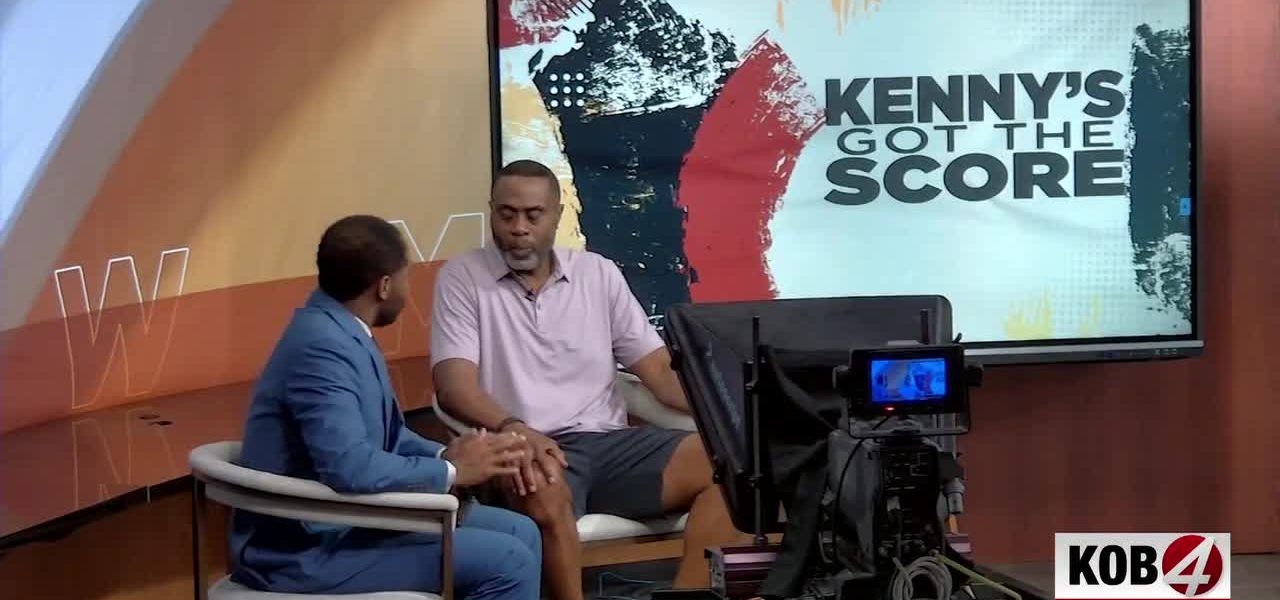
👉 READ BY CLICKING HERESo when Kenny’s Got the Score (a seemingly lighthearted sports segment title, for sure) drops its news of the basketball season’s soft launch, remember this: there’s more in play than just Xs and Os. It’s not just a warm-up. It’s the first ripple in what could become a significant debate about where public money goes, what priorities really matter, and who, ultimately, gets to call the shots off the court. We’ve seen similar patterns erupt elsewhere—where the perceived extravagance of professional sports teams or academic athletic programs, regardless of the fervor they ignite, eventually collides with the reality of an unforgiving budget spreadsheet. Remember those whispers about local taxpayers grumbling over stadium subsidies in places like Anaheim? It’s all connected, a subtle thread that runs from state houses to university gymnasiums, and indeed, across continents.
What This Means
The commencement of UNM’s basketball practice, while seemingly isolated, functions as a political barometer for New Mexico’s leadership. The subtle fanfare surrounding the team can either galvanize civic pride—a much-needed emotional lift in often tough economic times—or expose a raw nerve regarding resource management. If the state’s fiscal outlook tightens, or if a significant segment of the population feels underserved, the visibility of well-funded athletics can become a liability for politicians. It’s a double-edged sword, reflecting how even non-political events get pulled into the larger narrative of governance and public perception.
But the broader implication extends beyond state lines. The funding dilemmas faced by state-backed institutions—including athletic programs—mirrors debates in countries like Pakistan, where public funding for higher education and associated initiatives is constantly under review against a backdrop of competing developmental needs, geopolitical instability, and a growing youth population that demands both educational and recreational opportunities. The core challenge in both contexts is aligning national and regional priorities with finite resources, often leading to stark choices between academic pursuits, sporting aspirations, and fundamental social infrastructure. The ‘next season’ isn’t just a promise of basketball; it’s a looming question mark over how New Mexico chooses to invest in its future, and what priorities get the win. Policy decisions in these spheres are never truly static. They’re constantly adapting—or struggling to—to shifting political currents and the ever-present demands of the public purse.