

Silent Signal Scares: When Digital Warnings Miss the Mark
POLICY WIRE — Washington, D.C. — It’s a strange thing, this digital age. We’re bombarded with dire warnings about every potential electronic misstep, each one seemingly more apocalyptic than...

POLICY WIRE — Washington, D.C. — It’s a strange thing, this digital age. We’re bombarded with dire warnings about every potential electronic misstep, each one seemingly more apocalyptic than the last. Sometimes, though, those very warnings – issued with the gravitas of a federal agency – manage to distract us from the digital quicksand right beneath our feet. Because while you might be fretting about Bluetooth, a rather large digital alligator is probably eyeing your data elsewhere.
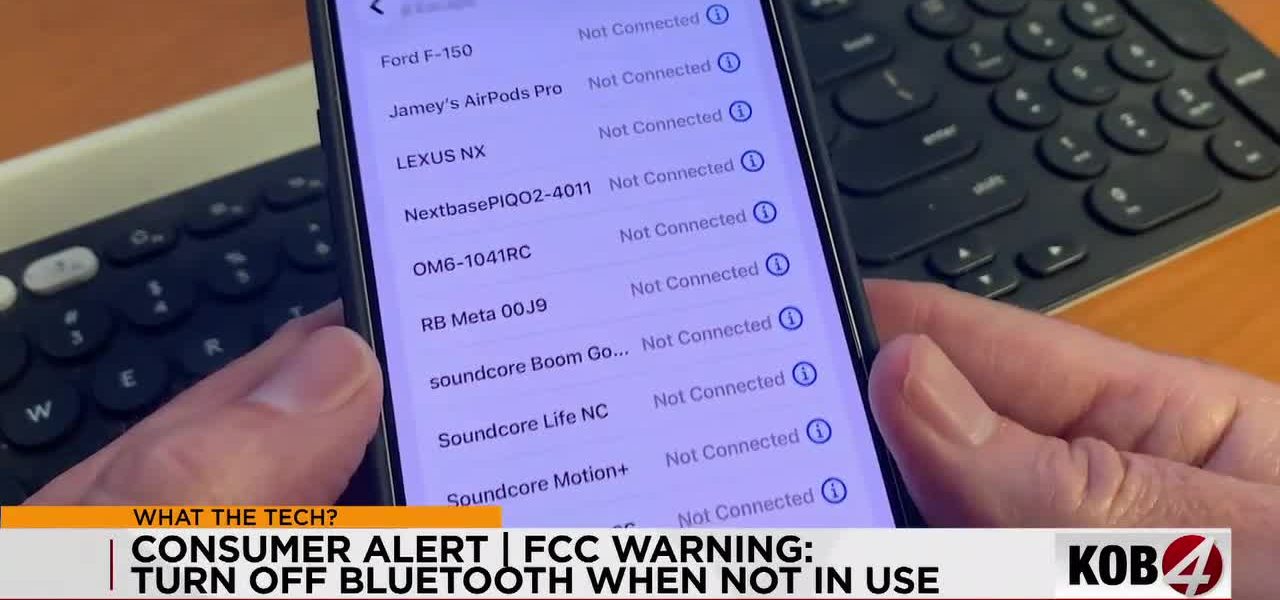
Recently, the Federal Communications Commission tossed another pebble into the digital pond, advising everyone to just turn off their Bluetooth when it isn’t being used. It wasn’t a casual suggestion, mind you; the FCC states these connections create a security risk. Sure, you’ll probably see a list of devices nearby if you open your Bluetooth settings in a public place. It’s an unnerving little parade of unknown gadgetry, isn’t it? But, the actual danger from those fleeting connections is, well, rather slim pickings. [QUOTE_PLACEHOLDER]
The core concern? Bluetooth attacks are possible. True enough. And yes, a hacker needs to be nearby, targeting a vulnerable device. And you’ll even be notified of any attempts to connect to your Bluetooth, which kinda spoils the surprise, doesn’t it? But the underlying truth, the one less often shouted from the rooftops, is that for most of us, there are bigger security risks than Bluetooth hackers. Lots bigger.
Think about it for a second. We’re talking about things like phishing texts. Or scam websites. Or those ridiculously fake customer calls that prey on your momentary inattention. They’re far more common, more insidious. Leaving an account open? That can really let criminals gain access to accounts — and personal information. Like when I left my YouTube account signed in on a hotel smart TV on vacation a while back. Luckily, you can remove them remotely with a few clicks on platforms like Google — and Netflix. But that’s a direct access risk, a tangible vulnerability. Not some nebulous nearby hacker waiting for a precise, unlikely alignment of the digital stars.
The FCC’s pronouncement, for all its official earnestness, echoes another such advisory—the FBI’s long-standing warning about charging phones at public WiFi charging stations. Yes, it can happen. The theoretical possibility looms large. But tell me, where are the real-world incidents they can point to? Specific, documented cases? Often, the silence is deafening.
Now, don’t get me wrong. The FCC isn’t wrong. Turning Bluetooth off when you’re not using could be a good idea. Small, proactive measures usually are. But it’s really a minor point in the grand, chaotic landscape of digital security. You’ll need to turn it on to connect to an Apple Watch or car stereo, of course. Common sense still applies.
The larger picture here suggests we’re being nudged to fret about the things that could happen. We should probably spend more time worrying about the things that do happen. Because the threats aren’t always sleek, high-tech exploits. Often, they’re social engineering, sheer oversight, or an outdated operating system. Consider, for instance, that phishing remains a consistently dominant threat. IBM Security’s Cost of a Data Breach Report for 2023 indicates that the average cost of a data breach globally in 2023 was USD 4.45 million, an all-time high, with stolen or compromised credentials being the most common root cause. That’s real money, folks.
📄 POLICY WIRE WHITEPAPER PUBLISHED: PAKISTAN'S NATIONAL SECURITY POLICY PRIORITIES
👉 READ BY CLICKING HEREAnd then there’s another good practice, usually forgotten amidst these grander warnings: remove your phone’s Bluetooth connection from any rental cars you might use. Many vehicles can store your contacts, call history — and other personal information long after you’ve driven away. That’s a persistent, concrete information leak. It’s less dramatic, sure, but a lot more probable than bluejacking from the Starbucks line.
What This Means
This episode highlights a broader challenge in modern governance: effective risk communication. When regulatory bodies issue broad, sweeping warnings about relatively low-probability events, they risk desensitizing the public to genuinely insidious and pervasive threats. It’s akin to screaming about a mosquito bite when a cobra is slithering nearby. It makes for headlines, yes, but often at the expense of practical public safety.
For nations grappling with rapid digitalization, particularly in regions like South Asia and the broader Muslim world, this phenomenon is especially salient. Countries such as Pakistan are witnessing explosive growth in mobile internet adoption. Here, the everyday digital vulnerabilities—phishing via SMS, SIM-swapping fraud, or exposure through compromised public Wi-Fi—don’t just represent abstract threats; they’re potent instruments of economic loss and personal invasion. Infrastructure is sometimes less robust, digital literacy can lag, and the consequences of breaches can be profound for individuals with limited recourse. The noise surrounding a hypothetical Bluetooth hack from a Washington-based agency feels distantly theoretical when communities face rampant social engineering schemes on a daily basis. Policymakers — and technologists globally, not just in Albuquerque or D.C., could stand to learn from these distinctions. Focusing efforts and resources on educating the populace about the tangible, frequently occurring threats, rather than sensationalized edge cases, is perhaps a more efficient strategy for bolstering collective digital security. Or it’s just me saying that it often feels like we’re being led to look over there, while the real danger is right under our nose. Like the concerns explored in Desert Data Dreams Derail: Socorro Locals Trump Tech’s Tantalizing Trillion-Byte ‘Gigafarm’.
Keeping your software updated is important, naturally. It’s one of those mundane chores we all put off until the eleventh hour. And it doesn’t need a federal commission to tell you to do it.