


The Silent Art of Defense: Michigan Schoolgirls Offer Geopolitical Lessons in Relentless Play
POLICY WIRE — Cadillac, Michigan — Forget the raw athletic prowess, the dramatic penalty kick, or even the final score—for a moment. The true currency of contest, whether on a frosty Michigan soccer...

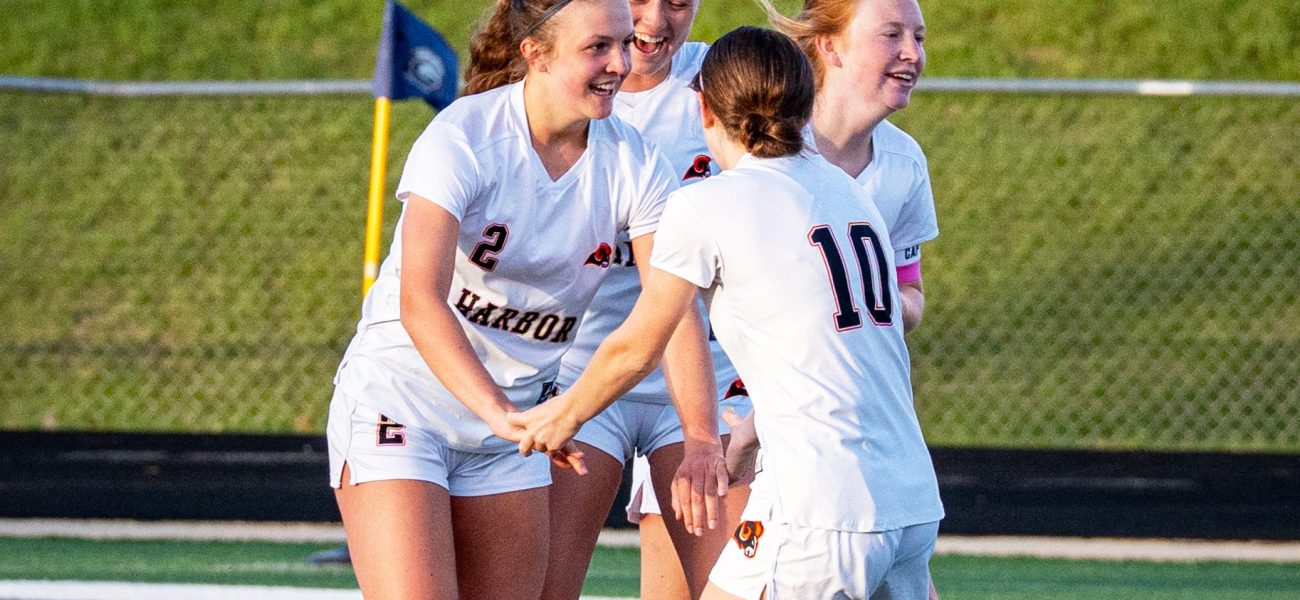
POLICY WIRE — Cadillac, Michigan — Forget the raw athletic prowess, the dramatic penalty kick, or even the final score—for a moment. The true currency of contest, whether on a frosty Michigan soccer pitch or in the diplomatic corridors of power, isn’t always the spectacular offense. More often, it’s the quiet, relentless grind of defense that shapes outcomes. Harbor Springs High School’s recent clinching of a regional semifinal didn’t just advance them to a Division 4 title game; it offered a stark, visceral demonstration of this often-overlooked principle, one that echoes far beyond the quaint towns of Northern Michigan.
It was a 1-0 affair, tight as a drum, with Stefi Reskevics converting a penalty in the dying minutes—a moment of individual brilliance, sure. But hear what the victors say. Coach Aaron Riley, speaking with a gravitas usually reserved for policy wonks dissecting fiscal reports, articulated it plainly: “Defense is key to winning championships.” His Rams kept Midland Calvary Baptist scoreless, a statistic as unyielding as any budget line item. This isn’t just about athletic skill; it’s about systems. It’s about an unwavering bulwark that allows the risk-takers—the ‘economic innovators’ or ‘diplomatic front-liners’ of a team—the luxury to falter, and then succeed. You know, without the sky falling in.
Because, really, what’s happening in these seemingly minor contests isn’t so different from larger global dynamics. Consider the relentless focus on robust defensive measures in cyber warfare or the slow, strategic shoring up of national borders. It’s all about creating an unyielding front. The girls’ tenth shutout of the season, achieved by a coordinated defensive line and goaltender Lillian McShannock, reflects an operational efficiency many developing nations, and some developed ones too, desperately strive for. It wasn’t flashy. But it worked. And it bought them another shot at the brass ring.
We’re witnessing a fascinating microcosm here. These student-athletes, far from the polished arenas of professional sports, exhibit the kind of mental toughness and collective purpose that forms the bedrock of any successful enterprise—political, economic, or otherwise. They don’t just ‘play well.’ They grind. They keep their calm, even when goals aren’t falling, trusting the process. “Our senior group, they’ve just been absolutely stellar,” Coach Riley observed, his voice tinged with both pride and a weariness that comes from orchestrating such intricate endeavors. “They don’t want this season to end without at least one more trophy. It’s a mentality you can’t teach on the blackboard.”
But it’s a mentality born of structured support. The investment in local youth sports, both financial and emotional, plays a subtle but significant role in shaping these young lives. It fosters teamwork, resilience, — and an understanding of strategy that translates well beyond the field. And that’s something worth acknowledging.
“These programs aren’t just about athletic triumphs; they’re crucibles for character, building the kind of disciplined young citizens who’ll drive future economic and civic progress,” stated Brenda Hanson, President of the Michigan Youth Sports Coalition, in a recent phone interview. “Every late-game victory is a testament to perseverance, an attribute we’re seeing celebrated too infrequently in the broader public discourse. These lessons stick.” She’s not wrong. They do.
From an international lens, the disciplined approach — and community spirit aren’t exclusive to Michigan. In Pakistan, for example, despite cricket’s dominance, football is experiencing a surge in grassroots popularity, particularly among youth. Organisations like the Karachi United Foundation are working tirelessly to build infrastructure, develop local talent, and instill precisely these values of teamwork and resilience—even against considerable economic headwinds. It’s a battle, yes, but one fought with the same determination we saw in Cadillac. And often, it’s those ‘late scores’—small, hard-won victories—that change everything.
It’s about nurturing human potential, regardless of geography or preferred sport. The National Federation of State High School Associations (NFHS) reported over 7.8 million participants in high school sports in 2018-2019, showcasing the sheer scale of this preparatory ground for future citizens and leaders.
What This Means
The lessons from a high school soccer match, if we bother to look past the scoresheet, reveal stark parallels to policy and economic landscapes. The relentless emphasis on defense, the collective unit operating as a singular, disciplined entity, isn’t merely good sportsmanship; it’s a blueprint for effective governance and resilient economies. In a world perpetually on edge, where unexpected ‘strikes’ can come from any quarter, a strong, organized defense isn’t a luxury—it’s survival. It protects the ‘assets’ (read: the team’s goal, or a nation’s stability) and allows the creative, high-risk endeavors (the offense, or economic innovation) the necessary buffer to fail and adapt. the unwavering belief and dedication of young athletes and their mentors echo the kind of long-term vision necessary for sustainable development, be it in a burgeoning sector in South Asia or a critical infrastructure project at home. It demonstrates that sustained effort, often unglamorous, ultimately delivers the big wins. And often, those victories happen because someone, somewhere, held the line. Dr. Aisha Rahman, an economist specializing in emerging markets and former Pakistani government advisor, highlighted this: “When I see such tenacity, it speaks to foundational strengths—community bonds, disciplined training. Nations, like teams, don’t achieve stability or growth through grand gestures alone; they build it with incremental, often unsung, defensive victories, whether protecting local industries or fostering a culture of meritocracy.” This isn’t just sports; it’s sociology, wrapped in a uniform, kicking a ball, offering a surprising amount of insight into global systems.