


Video Dares, Sealed Doors: A ‘Bump’ in Albuquerque Exposes Youth Justice Under Siege
POLICY WIRE — ALBUQUERQUE, N.M. — There’s a particular kind of silence that descends on a courtroom when the doors click shut, sealing off the proceedings from prying eyes. This...

POLICY WIRE — ALBUQUERQUE, N.M. — There’s a particular kind of silence that descends on a courtroom when the doors click shut, sealing off the proceedings from prying eyes. This past week, Albuquerque’s justice system, quite deliberately, wrapped a murder plea in just such a shroud of secrecy. It wasn’t about protecting state secrets or national security; it was about teenagers. And yet, the ramifications ripple much wider, begging questions about responsibility, public transparency, and the unsettling influence of social media on young lives.
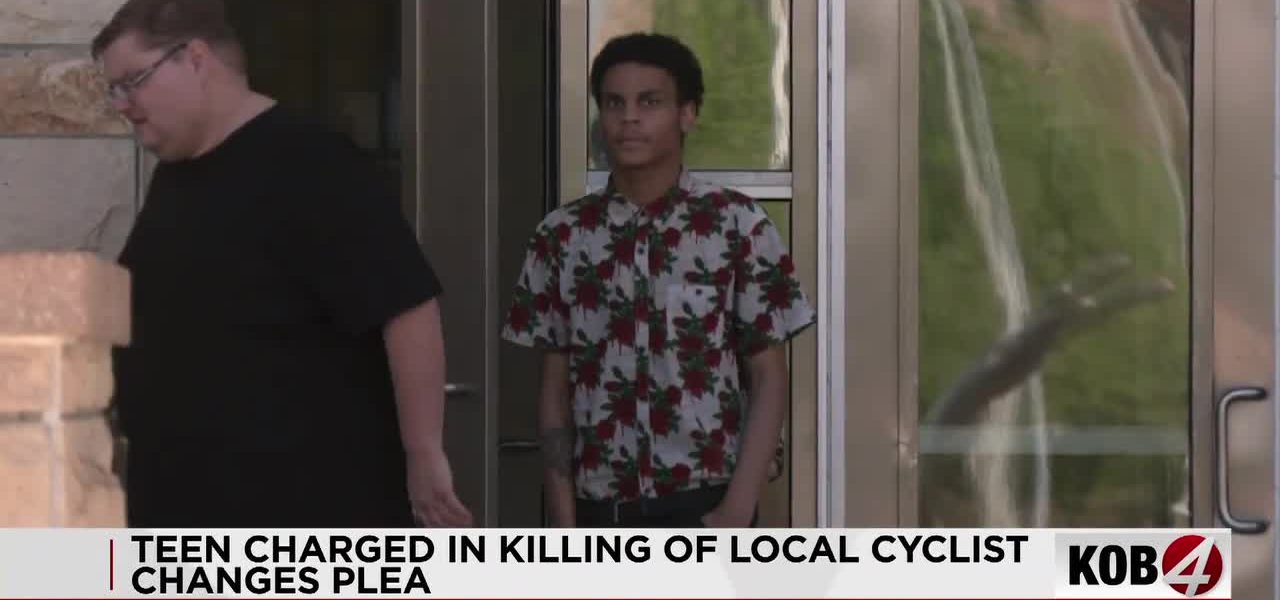
It’s not every day a local cycling route becomes the scene of what police allege was a deliberate act of violence orchestrated by a carload of kids, aged 11 to 17. But then again, this isn’t an everyday story. Details remain frustratingly sparse because a judge sealed the courtroom for a hearing involving 17-year-old Elijah Engelking. We do know, however, that Engelking pleaded guilty to one of the charges he faces. But which one? And why the opacity?
Prosecutors had slapped Engelking with a raft of serious allegations: first-degree murder, involuntary manslaughter, conspiracy to commit first-degree murder, and knowingly leaving the scene of an accident. They say these stemmed from a grim incident in May 2024. That’s when Scott Habermel, a man just going about his morning commute to Sandia Labs, riding his bike around 4:30 a.m., met a horrifying end. What initially appeared to be a tragic hit-and-run quickly morphed into something far more sinister, all thanks to a phone.
And that phone belonged to Messiah Hayes, then a mere 11-year-old passenger. Police uncovered a video he’d posted, capturing a chilling moment. It depicted one of the teenagers in the car telling the driver, who was 13 at the time, “to bump him…before he turns.” Moments later, authorities contend, the car deliberately accelerated, hitting Habermel. It then sped off, abandoning the victim — and any semblance of decency.
That particular piece of evidence – a digital confession, really – turned what could’ve been an accidental death into an alleged intentional act. It shifts the entire judicial paradigm, doesn’t it? Jonathan Overbay, the boy who was 13 at the time — and drove the car, already took his own plea. We know he pleaded guilty to murder — and will stay in prison until he turns 21. For Engelking, the silence surrounding his specific guilty plea just hangs there, heavy, inviting speculation. Was it a lesser charge? Was a deal cut that the public won’t fully grasp? It’s like peeking through a keyhole into a critical legal proceeding.
Meanwhile, the system’s gears continue to grind, albeit unevenly. KOB 4 learned Elijah Engelking pleaded guilty to one of the charges he faces. Another passenger, William Garcia, has a hearing scheduled soon, the courts confirmed. And Hayes, the kid whose viral video blew the lid off the case, is still navigating Children’s Court. One wonders about the future these young men face—their sentences and the long, slow, brutal road to any semblance of rehabilitation. In a twisted way, these digital footprints become permanent, defining records.
Consider the raw numbers, just for a moment. In the United States, juveniles accounted for 6% of all murder arrests in 2020, according to data from the Office of Juvenile Justice and Delinquency Prevention. This particular incident, however, seems to highlight not just general youth crime but a distinct form of violence, one potentially fueled by reckless abandon and the perverse desire for online notoriety, or perhaps just an unimaginable lapse in judgment. It isn’t an anomaly, these days, to see young offenders with a disarming nonchalance toward their actions.
But how do societies grappling with these increasingly complex challenges—from New Mexico to, say, the bustling urban centers of Pakistan—address this unique confluence of youthful misbehavior, judicial discretion, and technological influence? In some South Asian contexts, youth violence, sometimes spurred by social media challenges or gang affiliations, can trigger fierce public outcry and calls for swift, even informal, justice, a stark contrast to the closed-door maneuvering seen here. The demands for transparency in such cases are often universal, a reflection of the public’s eroding trust in systems that don’t appear fully accountable.
What This Means
The sealed proceedings in Albuquerque aren’t just about protecting the privacy of minors; they’re about how the American justice system, in particular, wrestles with the complex, uncomfortable intersections of age, culpability, and public expectation. Economically, prolonged incarceration of juveniles carries immense costs, not just in direct prison expenditures but in the lost human capital of those who could otherwise contribute to society. And for the families affected by such crimes, the lack of full transparency can feel like an additional burden, inhibiting closure and reinforcing a sense that justice is being served on technicalities rather than on the full moral weight of the act. The narrative of youth, once largely associated with promise, becomes entwined with disturbing trends in aggression, digital showboating, and a callous disregard for life.
The role of video evidence, as central to this case as the driver’s steering wheel, illustrates a new paradigm in crime and justice globally. What once required eyewitness testimony or exhaustive forensic work, now often appears neatly packaged on a social media feed. This accelerates investigations but also raises ethical questions about data privacy and the potential for a social media mob to preempt the judicial process. This isn’t just an American phenomenon; it’s a global headache for policymakers — and legal professionals. Take, for instance, the challenge of managing youth in areas grappling with paramilitary influence, or the difficult balance in countries like Bangladesh or Pakistan where digital content often skirts censorship and inflames social tensions.
Politically, the handling of juvenile justice, especially in high-profile cases like this, can sway public opinion on everything from judicial reform to funding for youth intervention programs. When details are kept under wraps, it chips away at the public’s confidence in the impartiality and thoroughness of the legal process. Because if justice isn’t just, — and it isn’t seen to be just, then it creates a void where cynicism thrives. For any society—whether it’s one wrestling with unseen health crises or visible violence—that’s a deeply troubling proposition. And this case, born from a casual, cruel suggestion captured on a smartphone, forces us to confront how we’re really equipping the next generation to understand accountability in an increasingly complex and often unforgiving world.