


Summer’s Shiver: New Mexico’s Arctic Chill & Monsoon Surge Unmask Climate Volatility
POLICY WIRE — ALBUQUERQUE, N.M. — June in New Mexico, they say, is usually about blazing sun and dust devils, not ice on the windshield. Yet, as what passes for ‘meteorological summer’...

POLICY WIRE — ALBUQUERQUE, N.M. — June in New Mexico, they say, is usually about blazing sun and dust devils, not ice on the windshield. Yet, as what passes for ‘meteorological summer’ officially elbowed its way in, parts of the Land of Enchantment were wrestling with an unexpected, bitter grip. Think 22 degrees in Angel Fire on a Sunday morning, then a 24-degree encore the very next day. Those aren’t autumnal frosts; that’s genuine, bone-chilling cold that made headlines as the lowest recorded temperatures in the entire contiguous United States. A bizarre curtain-raiser for a season usually marked by triple-digit heat, wouldn’t you say?
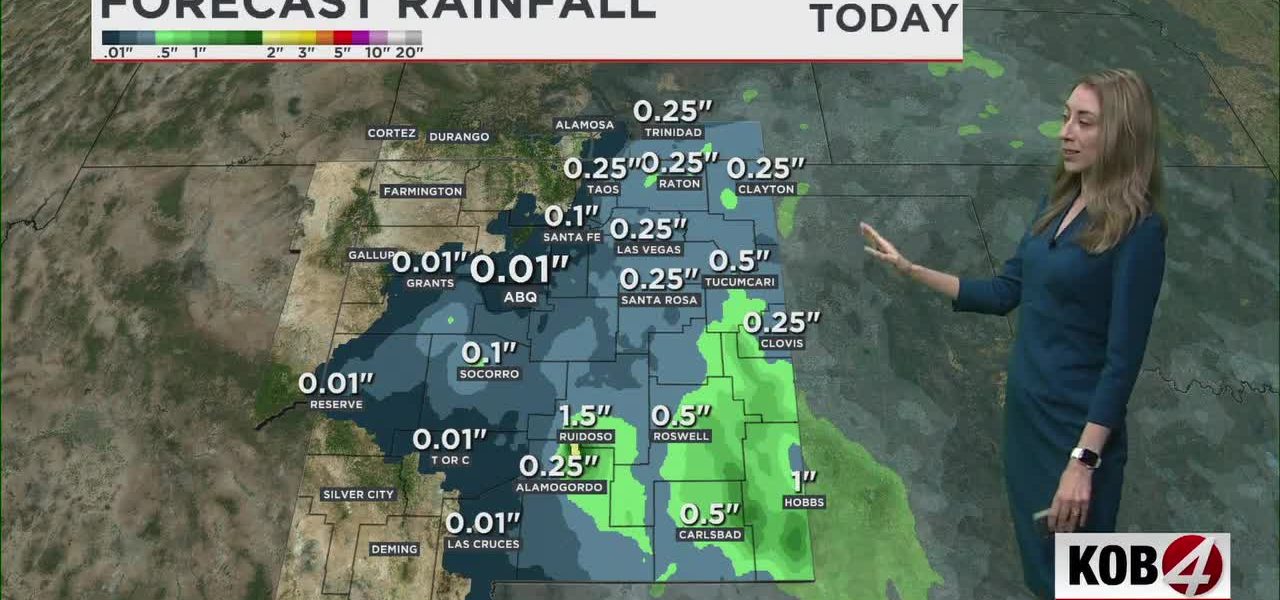
But that shivering start was merely an overture, a discordant note before a full-blown atmospheric opera of extremes took center stage. Because scarcely had the mercury begun its hesitant climb when New Mexico lurched into a very different, yet equally jarring, weather pattern: a full-blown monsoon rehearsal, complete with the threat of flash floods. It’s an atmospheric head-scratcher, really, going from Arctic anomaly to tropical deluge inside 72 hours. And it lays bare a harsher reality about our planet’s increasingly unhinged climate.
Now, Rich Gulf tropical moisture, thick and heavy, is sloshing north, already blanketing south-central and eastern New Mexico. The forecast? Rain rates topping an inch per hour in some spots—enough to turn arroyos into raging torrents and low-lying areas into impromptu swimming pools. There’s a particular concern for burn scars, still raw from wildfires that chew through the parched landscape year after year, which can’t absorb water worth a darn. Flash flood watches stretch across the South Central Mountains, from Ruidoso to Capitan, a grim annual ritual now unfolding dangerously early. Even Albuquerque, that sprawling desert metropolis, is looking at a marginal risk, just to keep things interesting. What’s unfolding here isn’t just weather; it’s a profound challenge to established patterns, forcing us to rethink how we manage resources and prepare our communities.
“We’re witnessing a real-time acceleration of weather unpredictability,” says State Representative Andrea Romero (D-Santa Fe), a vocal advocate for water conservation and climate adaptation policies, speaking from the state capital. “It’s not just about managing drought anymore; it’s about managing whiplash. Freezing lows then biblical rains—our infrastructure wasn’t designed for this kind of seesaw.” It’s clear that the old playbooks just don’t cut it. Her district, like much of the state, grapples with water scarcity and the ever-present threat of wildfire, making erratic rainfall patterns especially problematic.
And local emergency managers are scrambling. “You’ve gotta be ready for anything, all the time now,” remarked Capitan Village Manager Sarah Sanchez, as her community hunkered down for potential inundation. “We’re talking about shifting resources from wildfire prevention to flood control in the blink of an eye. It’s an immense strain on budgets and personnel.” This meteorological mood swing, this jarring oscillation, reflects a broader global truth. Consider the Indus River Basin in Pakistan, for example, where monsoon rains—historically predictable within a seasonal window—have become far more capricious, leading to catastrophic floods one year and debilitating droughts the next. Their reliance on those rain patterns for agriculture and survival makes the uncertainty nothing short of existential, much like New Mexico’s own delicate balance with its desert environment.
📄 POLICY WIRE WHITEPAPER PUBLISHED: PAKISTAN'S NATIONAL SECURITY POLICY PRIORITIES
👉 READ BY CLICKING HEREBut the numbers don’t lie, folks. The environmental shocks are piling up. Data from the National Oceanic and Atmospheric Administration (NOAA) indicates a significant increase in the frequency and intensity of extreme precipitation events across the Southwest over the last few decades, a trend that only exacerbates both drought and flood risks simultaneously.
What This Means
This early-season meteorological volatility isn’t just a curiosity for local weather buffs; it’s a policy nightmare in the making, and it’s already here. Economically, we’re looking at significant costs: for disaster response, for rebuilding damaged infrastructure, and for agricultural losses. For a state perpetually grappling with water allocation, this kind of erratic precipitation pattern complicates everything from municipal planning to interstate river compacts. You can’t just bank on snowpack anymore, nor can you assume a reliable monsoon season will replenish depleted reservoirs without also bringing the threat of destruction. Socially, there’s the psychological toll on communities that face repeated climate-induced traumas, from fire to flood. This isn’t just about meteorology; it’s about geopolitics, economics, and the very stability of our communities, both here in New Mexico and across vulnerable regions of the world. It’s an undeniable sign that we’ve left the era of stable weather — and entered a new, far less predictable one.