


T20’s Blazing Comet: Sooryavanshi’s Sixes Eclipse Old Debates, But The Red Ball Beckons
POLICY WIRE — Mumbai, India — For decades, the purists of cricket have clung to the romance of the red ball, the patient artistry of the long form. Test matches, they’d argue, reveal a...

POLICY WIRE — Mumbai, India — For decades, the purists of cricket have clung to the romance of the red ball, the patient artistry of the long form. Test matches, they’d argue, reveal a player’s true grit, their strategic mind—a proper contest of wills. But then, an IPL season comes along, and someone like Vaibhav Sooryavanshi—a mere teenager, mind you—explodes onto the scene, reducing those old notions to nostalgic dust motes dancing in the glare of floodlit stadiums. And suddenly, everybody’s got to adjust, don’t they?
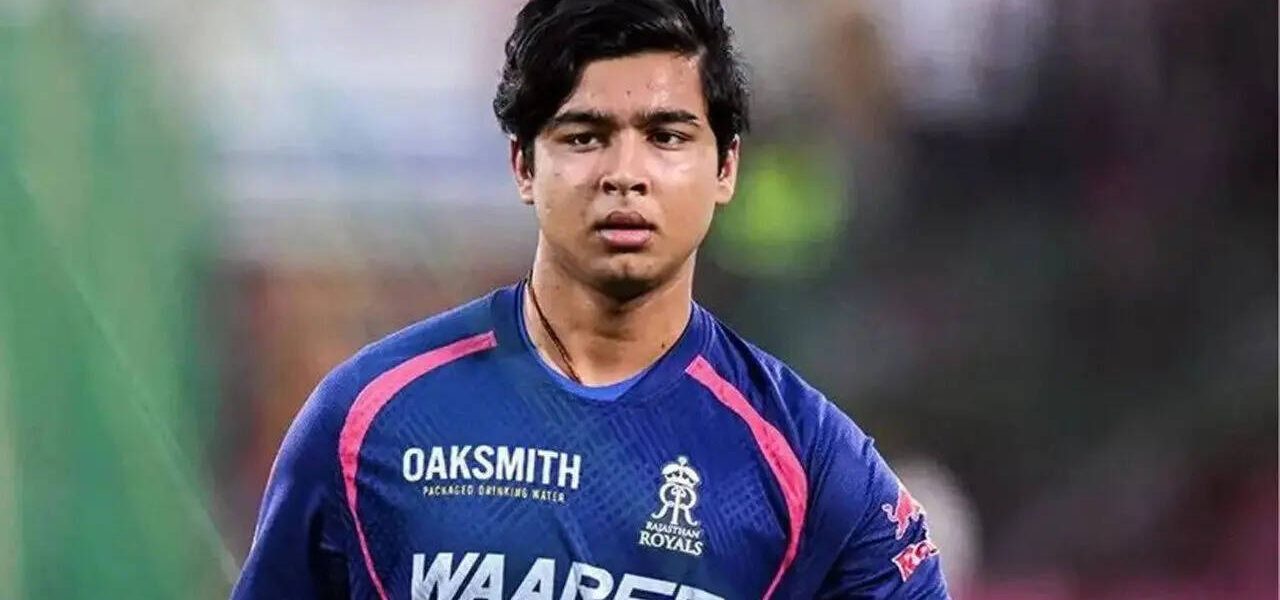
It’s the perennial tug-of-war, isn’t it? The spectacle versus the substance, the instant gratification of T20 versus the cerebral marathon of Test cricket. Vaibhav Sooryavanshi, all of 19 years old and fresh off an IPL 2026 campaign that saw him practically re-engineer batting physics, finds himself smack in the middle of it. He’s the poster child for modern aggression, smashing his way into the record books with an abandon that frankly makes the old guard nervous, but undeniably thrilled too.
His recent spree with the bat was, well, legendary. You’d think the fellow spent his evenings dreaming only of boundaries — and sixes, the louder, the better. He led Rajasthan Royals’ charge, though they eventually stumbled before the final, gathering a dizzying 776 runs over 16 innings. His average, 48.50, is respectable enough, but it’s the strike rate of 237.30 that really makes statisticians — and bowlers, for that matter — sit up and take notice, according to official IPL data. To put it simply, he barely wasted a ball. The Orange Cap, the Super Striker award, Emerging Player of the Season, the Most Valuable Player honor itself—they all piled up in his luggage after the awards ceremony, a veritable loot of glittering endorsements.
It even drew a rather cheeky jab from the seasoned spinner, Ravichandran Ashwin, who good-naturedly pointed out that the only thing Sooryavanshi *hadn’t* won was the award for hitting the most fours. It’s a moment that sums up the season, actually: complete dominance, nearly total. But here’s the rub, the unexpected twist for those who figured he’s just another T20 mercenary, a purveyor of fleeting thrills.
“People think I love to hit every ball, but this is the T20 format, and coaches give me a free hand to go all guns blazing,” Sooryavanshi explained later, a slight weariness in his tone that hints at the immense pressure he’s navigating. “And I hit the ball only because I know I can hit them, and it isn’t out of compulsion.” But he didn’t stop there, because a different kind of ambition, an older one, gnaws at him. “I want to play Test cricket, obviously, because my father also taught me that it’s the ultimate format.” It’s not just about hitting, then. It’s about something bigger, a perceived legacy perhaps.
📄 POLICY WIRE WHITEPAPER PUBLISHED: PAKISTAN'S NATIONAL SECURITY POLICY PRIORITIES
👉 READ BY CLICKING HEREThis sentiment, shared across South Asia, echoes far beyond Indian cricket. In Pakistan, Bangladesh, Sri Lanka—wherever the game is played, really—the Test cap holds a special, almost sacred significance. It’s an unspoken understanding that the frenetic pace of T20, while bringing in the big bucks and massive crowds, is merely a gateway drug for the deeper, more profound narrative of Test cricket. It’s why you see players like Babar Azam or Kane Williamson, who’ve excelled in all formats, still speaking reverently of the ‘long form’. It’s an intellectual, emotional challenge that Twenty20, for all its pyrotechnics, can’t quite replicate. The market values T20, yes, but the heart of the game, for many, remains elsewhere. Because if it didn’t, why would a player who’s just set the IPL on fire even think about slowing down?
Former India chief selector MSK Prasad, never one to mince words, wasted no time weighing in. He saw past the T20 razzmatazz to something more substantial. “He is not just a prodigy or a super talent. He is already among the best in the world in T20 cricket. He should be fast tracked immediately into the Indian side,” Prasad stated, echoing a sentiment often heard when a transcendent talent emerges from the IPL furnace. The suggestion isn’t just for a few T20 internationals, either. Prasad envisions Sooryavanshi in the squad for an upcoming Ireland series, — and beyond. He’s betting on the kid to play “for a long time.” It’s a considerable wager, isn’t it, considering how many prodigies have burnt bright and then fizzled?
What This Means
The ascent of Vaibhav Sooryavanshi isn’t just a feel-good sports story; it’s a telling barometer of Indian cricket’s relentless professionalization and its broader economic implications. His immediate marketability in the IPL underscores the colossal financial stakes now driving the sport. But his personal ambition to conquer Test cricket also points to a fascinating cultural dichotomy. While sponsors chase the T20 dollar, and fans revel in the quick thrill, there remains an institutional — and familial, as Sooryavanshi attests — respect for the longest format, viewed as the ultimate measure of character and skill. This isn’t unique to India, mind you. The entire South Asian cricketing ecosystem watches with bated breath, because India’s cricketing trends often cascade across borders. The success of young players like Sooryavanshi creates immense pressure, a blueprint for aspiration among millions of youth not just in Mumbai or Delhi, but in Karachi, Dhaka, and Colombo. His journey will determine whether the fast-cash, quick-fame model of T20 truly defines a career, or if the enduring legacy of Test cricket—and the grind required to master it—will continue to hold sway over the next generation of cricketing superstars. It’s a debate that’s far from settled, no matter how many sixes are struck.