


Kentucky’s High-Stakes Heist: Momcilovic Snub Reshapes Bluegrass Dynasty Hopes
POLICY WIRE — Lexington, USA — Forget for a moment the pristine hardwood courts and the roar of a stadium crowd. This past Monday, the theater of college athletics played out more like a backroom...

POLICY WIRE — Lexington, USA — Forget for a moment the pristine hardwood courts and the roar of a stadium crowd. This past Monday, the theater of college athletics played out more like a backroom deal in Washington, or perhaps a geopolitical negotiation, with Kentucky emerging from the fray having captured its most sought-after asset.
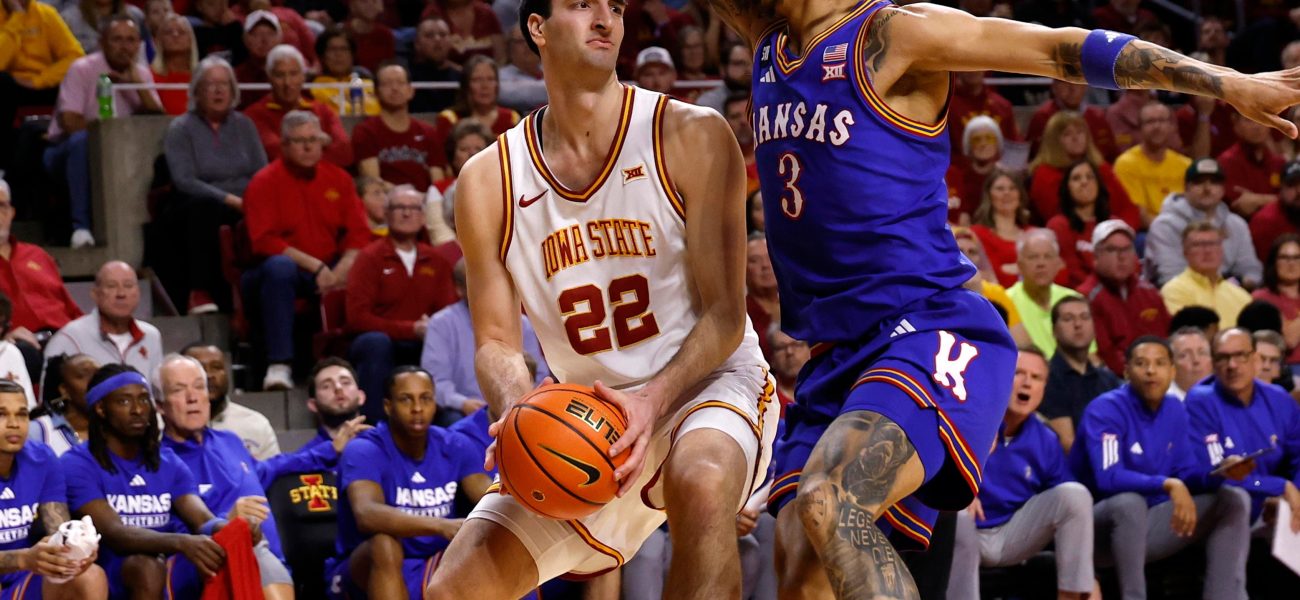
It wasn’t a unanimous legislative vote or a global trade agreement that had tongues wagging; it was one Milan Momcilovic. He’s a name that, despite its somewhat Eastern European lilt (suggesting the burgeoning global pipeline of athletic talent that sees prospects from places as distant as Karachi eyeing American sports scholarship opportunities, hoping to transform athletic prowess into tangible socioeconomic advancement), now instantly conjures images of Bluegrass success. His commitment to the Kentucky Wildcats — a move that saw them beat out their arch-rivals, the Louisville Cardinals, for his services — isn’t just about basketball. It’s a loud, thumping pronouncement of a program’s intent, a flexing of institutional muscle in the Wild West that’s the modern transfer portal. [QUOTE_PLACEHOLDER]
For weeks, this felt less like recruiting and more like a high-stakes campaign, complete with whispered intel, last-minute pitches, and breathless anticipation from fans on social media. But Momcilovic, the Iowa State transfer, had been testing the NBA Draft waters before officially withdrawing from it at the deadline. That particular decision, hemming and hawing right up to the wire, injected an almost absurd level of drama into the situation. Because, frankly, there was some late buzz that he was close to staying in it. Can you imagine the palpitations that sent through the coaches?
Once he withdrew, the entire collegiate landscape snapped into focus. It quickly became apparent that Kentucky and Louisville were the schools to beat, with Arizona trailing a distant third. New head coach Mark Pope, who inherited a program reeling from coaching changes and transfer defections, desperately needed a signature win. And, boy, did he get one. He’s had his share of challenges, you know, rebuilding on the fly. This one, however, Kentucky was able to get this across the finish line, giving Mark Pope the biggest recruiting win of his coaching career. It’s a huge psychological boost, for both the team — and the coach.
The numbers don’t lie about Momcilovic’s perceived value in this frantic, free-market landscape. ESPN has Momcilovic ranked No. 1 overall in the entire 2026 transfer portal cycle. Not Flory Bidunga. Not John Blackwell. Not Juke Harris. Not Tounde Yessoufou. Milan Momcilovic is the one. That sort of ranking confers immediate credibility, a stamp of approval from the self-appointed arbiters of talent.
This commitment reverberated immediately across social media, where a dizzying array of blue and white emojis replaced reasoned commentary for a few ecstatic hours. Coaches, media personalities, — and fans chimed in, almost as one. Jeff Goodman of The Field of 68 captured the sentiment, stating, ‘Kentucky just added a winner, a culture guy, and the best three-point shooter in the country in Milan Momcilovic, to a team that sorely needed it.’ It wasn’t just a simple acquisition; it was perceived as filling a yawning chasm in the team’s capabilities.
The magnitude of this feat becomes clearer when you consider the sheer volume of high-caliber transfers now seeking new homes. Kentucky is the only school in the nation to land 3 transfers rated 95 or higher, showcasing an almost ruthless efficiency in the portal. It isn’t just about one player, then, is it? It’s about establishing a pattern. One social media wag even noted, after the news broke, ‘My god it’s beautiful’ — a sentiment that, while perhaps melodramatic, captures the fan base’s relief and exhilaration perfectly. It really does change the entire outlook on the season.
📄 POLICY WIRE WHITEPAPER PUBLISHED: PAKISTAN'S NATIONAL SECURITY POLICY PRIORITIES
👉 READ BY CLICKING HEREWhat This Means
This development transcends mere sports. The modern college sports landscape, especially with NIL (Name, Image, Likeness) deals and the unbridled transfer portal, functions less as an amateur pursuit and more as a multi-billion dollar quasi-professional league. This commitment is a significant policy victory for Kentucky’s athletic department. It validates a strategy — aggressively pursuing top-tier talent via the transfer market rather than solely relying on high school recruits — which other programs are surely watching closely. When you’ve got this kind of talent flow, you don’t really have a choice but to adapt.
Economically, Momcilovic’s arrival carries weight. A winning program means increased ticket sales, higher merchandise revenue, and greater visibility for the university itself, often translating into increased applications and philanthropic donations. Think about the economic impact of major sporting events in developing nations, like how a national cricket team’s success can briefly invigorate a fragile economy in Pakistan; the dynamics, albeit on a different scale, aren’t dissimilar here. Star players are economic drivers.
Politically, within the NCAA power structure, this move strengthens Kentucky’s hand. It signals to competitors that the program is not merely rebuilding, but aggressively reasserting its dominance, capable of outmaneuvering rivals for the industry’s most coveted free agents. This aggressive player acquisition model reflects broader trends in talent markets globally, where companies — or, in this case, universities — compete fiercely for individuals deemed capable of delivering outsized returns. It’s, in essence, an arms race, but with jump shots instead of missiles.
The broader implications, then, aren’t just about a few more wins next season. It’s about setting a precedent for recruitment, navigating the evolving economic landscape of college sports, and — most fundamentally — signaling that Kentucky aims to remain a titan, not just a historical footnote. This isn’t just about basketball anymore; it’s about institutional policy in a hyper-competitive arena. They’re making a statement, plain — and simple.
But the true test remains on the court. Can Pope forge this collection of coveted transfers, Momcilovic included, into a cohesive unit? That, you see, is the ultimate question in this evolving saga of collegiate athletics, a story that continues to blur the lines between sport and big business, leaving traditionalists scratching their heads and power brokers calculating their next move. After all, the best talent in the world won’t guarantee a championship without proper integration.