

Whiplash Weather: New Mexico’s Deluge Signals Broader Climate Reckoning
POLICY WIRE — Albuquerque, N.M. — It’s a bitter sort of irony, isn’t it? The same landscapes that parch under relentless sun for months, sometimes years—drying up rivers, stoking wildfires,...

POLICY WIRE — Albuquerque, N.M. — It’s a bitter sort of irony, isn’t it? The same landscapes that parch under relentless sun for months, sometimes years—drying up rivers, stoking wildfires, pushing communities to the brink of a thirst crisis—are now bracing for a deluge. New Mexico, that sunbaked expanse, typically famous for its bone-dry air and saguaro cacti, faces a forecast calling for aggressive rain and flash flooding. Not just a sprinkle, mind you. This isn’t the gentle soak farmers pray for; it’s the kind that can overwhelm, wash out, and generally wreak havoc, bringing more problems than solutions in its wake.
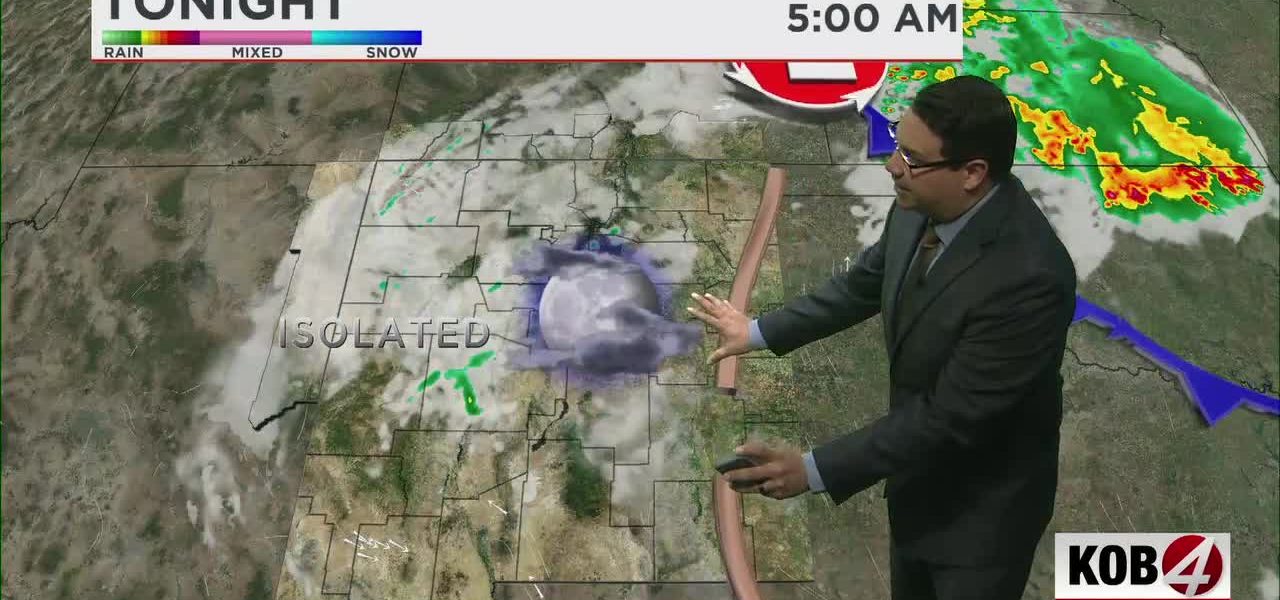
Forecasts anticipate eastern and central New Mexico could see significant rainfall, potentially an inch or more by Tuesday night in some locales. That doesn’t sound like much on paper. But consider the ground, often baked hard by months of drought. It repels water initially, causing rapid runoff that turns dry arroyos into raging torrents. Because the Gulf moisture, that heavy, humid air, just keeps funneling in. And as a significant storm system deepens out on the West Coast, it’s like New Mexico’s caught between two bad choices: slow dehydration or a violent drowning. It’s a volatile recipe, meteorologically speaking.
Local authorities, long accustomed to battling the state’s perpetual water scarcity, are now shifting gears, focusing instead on immediate damage control. Emergency management offices are scrambling, issuing flash flood watches even as the last traces of smoke from recent wildfires cling to the horizon. It’s a state perpetually in climate whiplash, bouncing from one extreme to another. You can almost feel the exasperation. “We’re not just fighting wildfires; we’re battling the whiplash of extreme weather, the kind that flips from historic drought to potentially devastating floods in a blink,” Governor Michelle Lujan Grisham told Policy Wire, her voice tinged with the familiar fatigue of a leader navigating constant climate instability. “Our communities deserve resilient infrastructure, not just prayers when the sky decides to open up.”
And she’s not wrong. The National Weather Service in Albuquerque is pointing to a continuous flow of Gulf moisture, predicted to expand west over the central mountain chain. What begins as isolated showers and thunderstorms—producing gusty winds and surprisingly little rain in some western-edged areas—will consolidate into a more formidable threat as the evening progresses. Chief Meteorologist Eddie Garcia, whose daily dispatches are less about prediction and more about existential dread these days, painted a stark picture for local news, emphasizing the ‘localized yet intense’ nature of the threat. “Our aging storm drains, they weren’t built for these kinds of events, weren’t built for a future where droughts give way to deluges overnight. They just can’t keep up.”
This isn’t just a localized weather event; it’s a microcosm. A case study in how global climate patterns — warmer oceans feeding more intense atmospheric rivers — manifest in disparate geographies. We see echoes of this hydrological drama played out not just here, but across the planet. Think of Pakistan, a nation routinely pummeled by catastrophic monsoons that follow scorching dry spells, displacing millions and ruining crops. That region, rich in ancient agricultural tradition, now finds its weather cycles more unpredictable, its infrastructure often inadequate to the task. According to a 2022 report by the World Meteorological Organization, global mean sea levels have risen by an average of 4.5 millimeters per year over the past decade, intensifying cyclonic activity and funneling more moisture into extreme weather systems globally.
📄 POLICY WIRE WHITEPAPER PUBLISHED: PAKISTAN'S NATIONAL SECURITY POLICY PRIORITIES
👉 READ BY CLICKING HEREIt’s the same old tune: modern problems demanding a new kind of response, but often clashing with antiquated systems and political inertia. New Mexico isn’t alone in this bind. Its very real, immediate struggle with water—too little, then too much—exposes deep cracks in the American infrastructure narrative, much like the parched dreams of other towns facing a sudden thirst. We’re talking roads, bridges, culverts, dams—all of them aging, all of them stressed by climate events their original engineers never dreamed possible. It’s a bill coming due.
What This Means
The immediate political ramifications here are less about partisan grandstanding and more about the uncomfortable reality of governance in a rapidly changing climate. State — and federal agencies will coordinate, funds will be disbursed, and emergency declarations might follow. But beneath the surface, this continuous cycle of extreme weather forces a harder look at resource allocation. For New Mexico, where water rights are literally fought over in courts, a sudden, destructive influx complicates the long-term arithmetic of sustainability. It adds another layer of financial burden onto a state already juggling economic development with conservation imperatives. More subtly, it further erodes public confidence in existing infrastructure, hinting at larger failures in long-term planning and investment.
Economically, it’s a gut punch. Flash floods mean property damage, disruptions to commerce, agricultural losses, — and skyrocketing insurance premiums. Farmers, ranchers, small business owners — they bear the brunt. For a state relying heavily on tourism (outdoor activities often tied to climate stability), repeated cycles of drought and flood create an unstable foundation. And the longer-term economic drain, the cost of continually rebuilding and retrofitting, drains budgets that could otherwise fund education or healthcare. It forces an agonizing calculus: how much can you spend on disaster response versus preventative, resilient infrastructure when every budget is already stretched thin? It’s not just rain. It’s money, policy, — and a very uncertain future washing down the drain.