


Japan’s Imperial Birds Soar Again: A Policy Rebirth, Not Just a Flight
POLICY WIRE — Tokyo, Japan — So, they wheeled out the imperials for a bird. Not just any bird, mind you, but the Japanese crested ibis—the Toki. It’s been absent from the archipelago’s wild skies for...

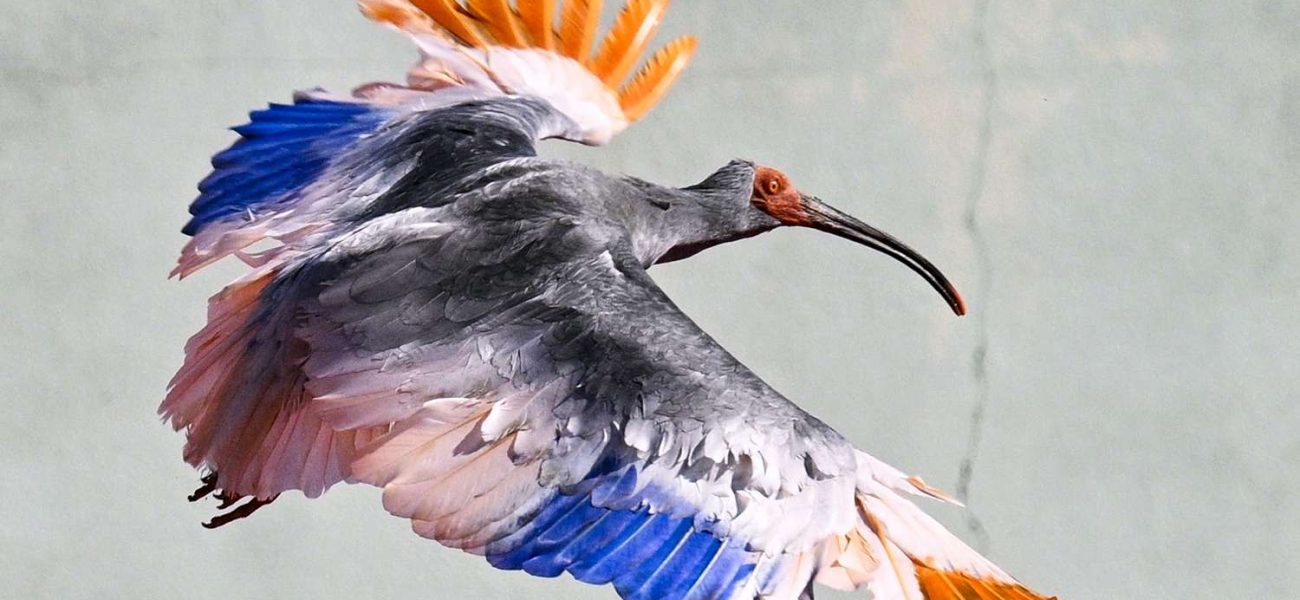
POLICY WIRE — Tokyo, Japan — So, they wheeled out the imperials for a bird. Not just any bird, mind you, but the Japanese crested ibis—the Toki. It’s been absent from the archipelago’s wild skies for generations, effectively an aerial ghost, yet suddenly there it was. And officials—dignitaries in smart suits, along with a couple of the younger, less-controversial members of the imperial family—stood watching as a caged future was unfurled into a hesitant present.
It wasn’t quite a red carpet, but close. This spectacle, you see, isn’t merely about ornithological nostalgia. It’s a calculated, decades-long policy gamble paying off, a testament—or maybe a warning—about what sustained national will and a hefty environmental budget can actually accomplish. Japan, a nation famed for its blend of hyper-modernity and deep-seated traditions, lost its last wild Toki back in 1981. It was a rather quiet disappearance for what’s effectively a national symbol, wouldn’t you say? Almost an embarrassing blot on the otherwise pristine national self-image.
But they didn’t just shrug. Because in Tokyo’s policy circles, you don’t simply let a national emblem vanish without a fight—or at least a very expensive, bureaucratic resurrection program. For years, the government, through its various environmental ministries and local prefectural offices, has been pouring Yen into captive breeding initiatives, first with a handful of birds borrowed from China, then through meticulously controlled reintroductions. It’s a kind of biological statecraft, an unspoken promise to right past wrongs, often made at considerable taxpayer expense.
“This reintroduction isn’t just about the Toki itself; it’s a living demonstration of our national commitment to environmental stewardship,” declared Hiroki Tanaka, Japan’s Minister of Environment, speaking (perhaps a bit stiffly) at a recent conservation summit. “We’ve invested heavily, not just financially, but also in human expertise — and political resolve. It’s a precedent, a benchmark.” You don’t often hear a bureaucrat talking poetry, but this bird, apparently, warrants it. His sentiment, though carefully worded, hints at the underlying truth: this wasn’t cheap. According to a recent analysis by the Ministry of Environment, the total spend on the Toki reintroduction program has exceeded an estimated $120 million over the past two decades. That’s a lot of money for a bird, no matter how iconic.
And then there’s the subtle dance of international diplomacy embedded in such projects. These high-profile conservation triumphs are fantastic soft-power plays. Consider this: while Japan celebrates its painstaking biological resurrection, other nations grapple with much more immediate environmental devastation, often tied directly to poverty and political instability. In countries like Pakistan, for example, similar ecological concerns around endemic species or habitat destruction—think of the Indus River dolphin or the chir pheasant—face formidable challenges from population pressure, uncontrolled industrial expansion, and simply, a lack of consistent, centralized political will. It’s a harsh contrast: a well-funded nation reclaiming a symbol versus a developing one struggling to retain even its current biological heritage. You can see the dilemma. Perhaps some human rights crises make conservation seem secondary.
But the sight of the pink-faced, long-legged ibis gliding free does make for good optics, especially when the imperial family’s on hand. It speaks to a certain national pride, a narrative of resilience, even rebirth. Princess Akiko of Mikasa, observed quietly near the release site, likely reflecting the public’s subdued approval of the initiative. “Watching these magnificent birds return to their rightful place, it truly reminds us of the delicate balance we must maintain with our natural world,” she was reported to have said during the event. It’s an almost perfect photo op, conveying tradition — and progressive environmentalism all in one clean shot.
📄 POLICY WIRE WHITEPAPER PUBLISHED: PAKISTAN'S NATIONAL SECURITY POLICY PRIORITIES
👉 READ BY CLICKING HEREWhat This Means
The return of the Toki isn’t just a feel-good story about feathered friends. It’s a policy case study in brute-force conservation, an unglamorous, drawn-out process funded by state coffers. Economically, it showcases a national preference for preserving bio-heritage, irrespective of immediate returns—though future eco-tourism is certainly a consideration, if minor. It suggests Japan sees value not just in technological leadership, but also in being a responsible, historically conscious environmental actor on the world stage. Politically, it’s a narrative tool: ‘Look what we can achieve when we set our minds—and budgets—to it.’
But there’s a more pointed lesson. Not every nation has Japan’s economic firepower or administrative coherence to undertake such massive, expensive projects. This type of conservation, which relies on decades of planning and considerable financial resources, effectively sets a high bar. For many developing nations, environmental policy often remains entangled with—or superseded by—basic development imperatives. And that, of course, raises questions about global equity in conservation: can biological diversity truly flourish when only the wealthiest nations can afford its sustained rebirth?
This reintroduction serves as a potent reminder: even in an age of ecological gloom, governments can indeed reverse extinction, though the price tag might make less prosperous nations balk. The question for many will always be: at what cost, — and whose birds get saved? The conversation is deeper than just saving a species. It’s about national priority, political optics, — and the economics of our collective biological future. This is certainly a triumph, no question about it, but it’s a triumph with a very specific, Japanese price tag. It’s a reminder of how complicated humanity’s relationship with the wild can be.