


Soft Power on Aisle Three: Vancouver’s Latest Convenience Store Offers a Glimpse Into a Shifting Global Retail Map
POLICY WIRE — Vancouver, Canada — Forget geopolitical skirmishes playing out in dimly lit back rooms. Ignore the high-stakes talks punctuated by awkward silences — and carefully worded press...

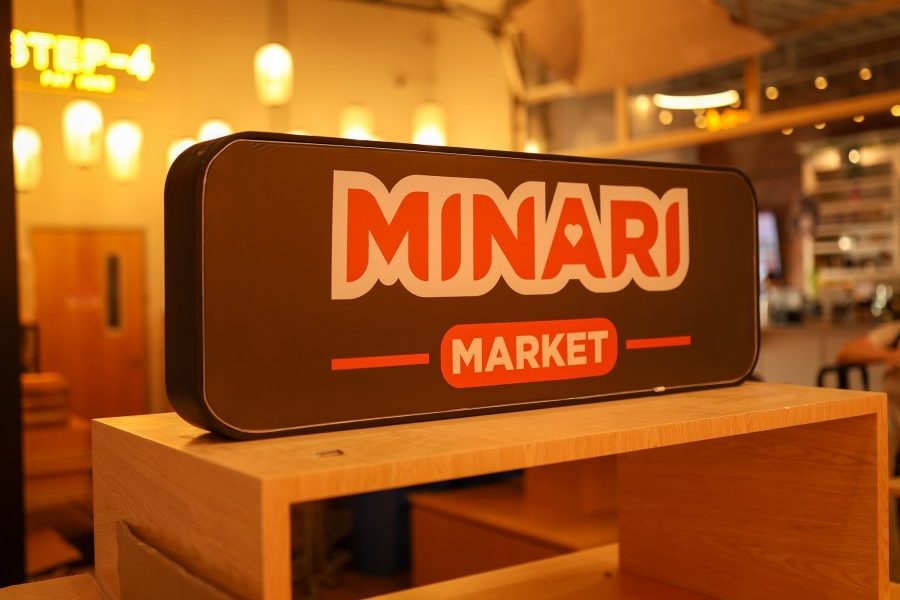
POLICY WIRE — Vancouver, Canada — Forget geopolitical skirmishes playing out in dimly lit back rooms. Ignore the high-stakes talks punctuated by awkward silences — and carefully worded press releases. Because the true pulse of global engagement? It’s often found — don’t kid yourself — on a bustling city corner, in the fluorescent glare of a new convenience store. Specifically, in Vancouver, where Minari Market just opened its doors, ostensibly offering a slice of East Asian consumer culture, but really, signaling something far bigger.
It isn’t just about Pocky — and ramen packets, though they’re certainly abundant. And it’s not merely a business expanding. What’s unfolding here, with little fanfare beyond the local food blogs, is a quiet reorientation of urban retail, reflecting seismic shifts in demographics, globalized entertainment, and a kind of soft-power osmosis through consumption. You see these places crop up everywhere — London, Sydney, Berlin — each a tiny, palatable embassy for a specific cultural matrix. But this Vancouver iteration? It’s a particular tell.
Because Vancouver isn’t new to multiculturalism; it’s practically its defining characteristic. Yet, the proliferation of these highly curated, almost cinematic shopping experiences—like something pulled straight from a K-drama—points to a consumer landscape increasingly shaped by immigrant communities and their globally tethered preferences. You can’t separate the appetite for Korean corn dogs from the immense success of K-Pop or Netflix series like Squid Game, can you? It’s all connected. The store becomes the tangible touchpoint, the accessible portal for a pop culture phenomena.
“These aren’t just stores; they’re cultural embassies, whether they realize it or not,” commented Councillor Lena Khan, a vocal proponent for cultural integration within Vancouver’s diverse districts. “They reflect the incredible mosaic that defines our city, fostering an understanding that often goes far beyond any formal diplomatic communiqué. People try new foods, they ask questions. It’s small, but it matters.” And she’s not wrong. It creates points of contact, points of mutual — if commercialized — curiosity.
But the story deepens when you consider where Vancouver sits geographically, culturally, — and economically. It’s a Pacific Rim metropolis, intimately linked to Asian markets — and migration patterns. But don’t think these trends are exclusive to East Asian cultural export. Not by a long shot. The very concept of the localized, culturally specific market – an idea honed to perfection in places like Japan or Korea – is also visible across the globe, including burgeoning convenience economies in the Muslim world. From bustling karak tea shops in Doha to the increasingly sophisticated supermarkets in Lahore offering imported global goods alongside local fare, the same forces of diaspora, aspiration, and global media consumption are at play. It’s a universal pattern, this retail manifestation of belonging.
And these markets, while appearing to serve specific niches, are often at the vanguard of mainstream culinary trends. Dr. Anya Sharma, a senior analyst at the Canada Institute for Global Affairs, framed it shrewdly, “We’re witnessing the retail front-end of what you might call ‘culinary diplomacy.’ It’s low-stakes, sure, but it reinforces networks, connects diasporas, and — don’t forget — moves product.” Indeed. These aren’t just quaint little shops; they’re micro-engines of cultural exchange, designed to monetize a global palate.
📄 POLICY WIRE WHITEPAPER PUBLISHED: PAKISTAN'S NATIONAL SECURITY POLICY PRIORITIES
👉 READ BY CLICKING HEREConsider the raw numbers, the sheer scale of the phenomenon: According to Statistics Canada, over 2.7 million people identify as East or Southeast Asian, making up approximately 7.4% of Canada’s total population, a figure that only climbs higher in urban centers like Vancouver. That’s a formidable consumer base, an economic force shaping neighborhoods from the ground up, literally changing what’s stocked on the shelves. They’re telling us what they want, — and businesses are responding. This isn’t charity; it’s capitalism, smartly attuned to a shifting global reality.
The next time you’re walking past one of these impeccably stocked establishments, perhaps grabbing an unusual soda or a pack of brightly colored biscuits, pause. You aren’t just making a purchase. You’re participating in a nuanced, unfolding dialogue about identity, migration, — and the future of consumerism. You’re observing how global engagement metrics find their way onto physical shelves. Because in the battle for hearts and minds, sometimes the strongest influence arrives packaged neatly, with a foreign label, and a truly delicious crunch.
What This Means
The seemingly innocuous rise of specialized convenience stores, epitomized by Vancouver’s Minari Market, holds broader implications than their compact footprints might suggest. Economically, they represent the sophistication of niche marketing and the economic power of diaspora communities, influencing local supply chains and even shaping commercial real estate demands. Politically, these stores are de facto soft-power agents, normalizing foreign cultural products and narratives within a domestic context. They contribute to a more diverse urban fabric, yes, but also subtly erode cultural hegemonies, fostering a more porous and globally intertwined identity in host nations. For policymaking, this signals a need for municipal planning to be agile, responsive to demographic shifts, and — here’s the rub — perhaps even subtly protective of local enterprises struggling to compete with globally backed, culturally specific retail models. It’s not just about managing traffic flows; it’s about understanding the subtle, continuous process of cultural evolution driven by market forces. These small stores, collectively, represent a considerable force in shaping public perception — and global connectedness.