

Europe’s Shifting Gridiron: When a Star’s Discontent Becomes a Continental Tug-of-War
POLICY WIRE — London, UK — The scent of shifting power in European football isn’t always carried by the roar of the crowd, but often by the whisper of a disgruntled superstar. Rafael Leao, AC...

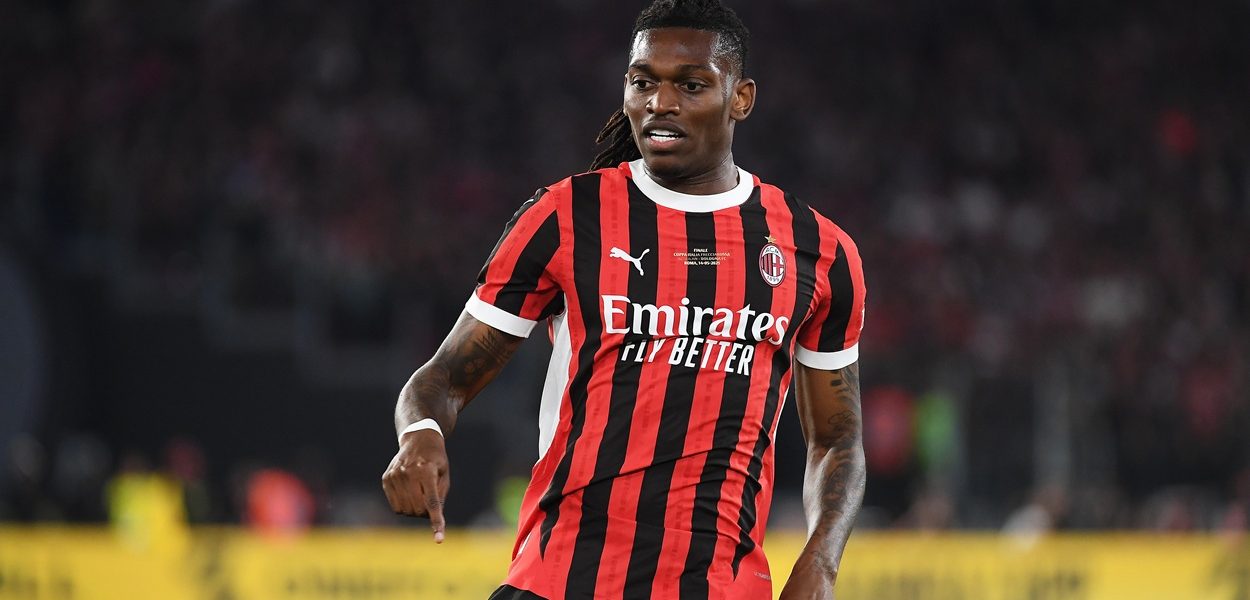
POLICY WIRE — London, UK — The scent of shifting power in European football isn’t always carried by the roar of the crowd, but often by the whisper of a disgruntled superstar. Rafael Leao, AC Milan’s electric Portuguese forward, a man whose every touch seems to hum with latent threat, is reportedly looking for a fresh stage. But it’s more than just a footballer wanting a new challenge; it’s a symptom of a larger, often brutal, economic churn shaking the foundations of even the continent’s most storied clubs. It’s about leverage, aspiration, — and the cold hard cash that fuels the beautiful game.
For years, Arsenal has watched Leao. Observed. Salivated, perhaps, over his unique blend of pace, power, — and flair. The North London club’s pursuit of the forward has been an open secret, a simmering ambition largely kept on the back burner as Milan, a club reclaiming some of its faded glory, clung to its prize asset. That resolve, it appears, is cracking. A whispered word, a contractual impasse—and suddenly, the previously untouchable becomes very much available. It’s how this market operates, isn’t it?
AC Milan, a name that once commanded a different kind of reverence, finds itself in a bind familiar to many European heavyweights not buoyed by the consistent rivers of Champions League revenue or petro-dollars. Their failure to qualify for Europe’s top club competition last season—a stark reminder of how precarious the financial health of even a colossal club can be—has created a gaping hole. They’ve got bills, balance sheets that need to balance. And sometimes, you sell your best jewels to buy time, to rebuild.
Lorenzo Bettini, AC Milan’s Managing Director for Football Operations, didn’t mince words during a recent earnings call (a very telling development, for the record). “Financial sustainability, particularly in the current European landscape where Champions League participation swings millions, it dictates some tough choices. No player is bigger than the club, not truly. Sometimes, you re-invest for the future, not just cling to the present.” There’s a certain grim pragmatism to that, wouldn’t you say? It’s not about sentiment, it’s about survival. Because at the end of the day, someone’s gotta pay the wages.
But the Premier League is Leao’s most likely next port of call, and Arsenal isn’t alone in this increasingly crowded bidding war. A multitude of top-tier clubs, all sensing blood in the water, are lining up. Leao’s explosive talent is undisputed, a match-winner on his day, the sort of player who electrifies stadiums. And those are the kind of players who generate interest far beyond the stadium gates, igniting passionate debates in fan forums from East London to Lahore, where millions consume European football with an almost religious devotion. This global obsession is precisely why clubs pay absurd sums—it’s not just about ticket sales, it’s about broadcast rights, merchandise, and market penetration into these fertile, growing fanbases.
Arsenal, after seasons spent rebuilding its identity, now seems poised for a calculated, perhaps audacious, move. Potential departures, whispers suggest, could open up critical wage bill space, a commodity as valuable as goalscoring talent in today’s football economy. But it’s not merely about talent acquisition; it’s about making a statement in the transfer market, a show of ambition that reverberates with a global audience. They’re chasing titles now, — and you can’t win them with bargain bin deals.
📄 POLICY WIRE WHITEPAPER PUBLISHED: PAKISTAN'S NATIONAL SECURITY POLICY PRIORITIES
👉 READ BY CLICKING HEREMarcus Thorne, Arsenal’s newly appointed Chief Strategy Officer, offered a rare public insight into the club’s philosophy last month: “We operate in a fluid market, one where opportunity often knocks quietly. Our strategy remains consistent: identify talent that truly elevates our ambitions, not just fills a roster spot. That’s non-negotiable.” A well-placed, if vague, affirmation of intent. It tells you they’re in it for the long game, even when playing short-term gambles. Because in this market, timing, often more than anything, is everything.
The global reach of the Premier League means this particular saga isn’t just an insular European affair. Fans across the Muslim world, from Pakistan’s bustling cities to the quiet fishing villages of Oman, avidly follow these dramas, their allegiances often stronger than to local clubs. Reports indicate that over 3.2 billion people tuned in to football broadcasts worldwide in 2022, with a significant percentage in Asia. These are the hearts — and minds clubs are vying for, not just another trophy.
What This Means
The unfolding drama around Rafael Leao isn’t just another transfer story; it’s a macroeconomic snapshot of modern football. Clubs like AC Milan, even with their gilded history, are often forced into difficult financial choices, highlighting the precarious balance between sporting ambition and commercial realities in a fiercely competitive European landscape. The rise of Premier League spending power, fueled by lucrative broadcasting deals and diversified revenue streams, means English clubs are often positioned to capitalize on these situations. It also underscores how player power has grown. Athletes, particularly those with genuine star quality, now possess significant leverage, forcing clubs to prioritize financial commitments and long-term planning over sentimentality. This constant flux impacts everything from youth development pathways to national team compositions, shaping the future of the sport far beyond who wins on Saturday. And for policy wonks, it offers a fascinating study in soft power, global capitalism, and the ever-expanding digital reach of cultural exports, something football manages like few other industries. It’s a game of chess, played with billions, — and the pawns? Well, they’re paid handsomely to move.