


The Global Scramble: ‘Best Goal’ Awards Signal Deeper Economic Plays in Football’s Grand Game
POLICY WIRE — Geneva, Switzerland — While much of the football-watching world just clocked out for the season, content churn for the gargantuan sports-entertainment complex known as UEFA never really...

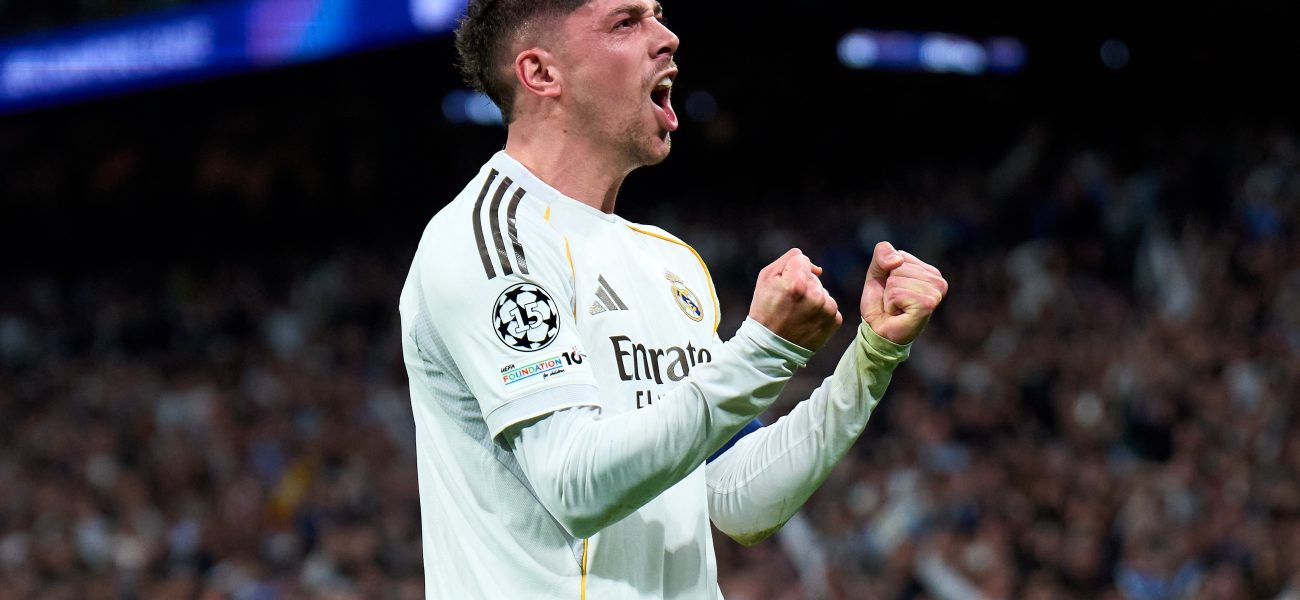
POLICY WIRE — Geneva, Switzerland — While much of the football-watching world just clocked out for the season, content churn for the gargantuan sports-entertainment complex known as UEFA never really stops. Forget the freshly inked contracts or the strategizing for next year’s multi-billion-dollar television rights deals for a moment. This past week, the organization – fresh off crowning Khvicha Kvaratskhelia as its top player for the 2025-2026 Champions League campaign – circled back to dole out another crucial accolade: the ‘best goal’ of the season. And it’s not merely a pat on the back for a Uruguayan midfielder named Federico Valverde.
It’s a symptom. A small, telling flicker in the vast, almost incomprehensibly complex machinery that transforms athletic prowess into geopolitical leverage, cultural currency, and frankly, obscene amounts of money. Because, naturally, the sheer brilliance of an award for a single ‘best goal’ requires swift, decisive declaration. It’s not just a game anymore; it’s a globally synchronized emotional asset class, and every piece of micro-content, every manufactured moment of consensus, plays its part in shoring up that value.
Valverde’s exceptional hat-trick in a 3-0 rout against Manchester City — a first-leg skirmish in the Round of 16 that feels like eons ago now — gets this nod. Specifically, one of his three strikes from that evening, described as ‘splendid’ by the officials whose very job description includes such glowing endorsements. You see, the point isn’t the aesthetic perfection of the goal (though it might have been decent enough). The point is the relentless propagation of the narrative. It’s about keeping the embers of enthusiasm glowing, reminding the world just who runs the most prestigious club tournament on Earth.
“We’re celebrating moments that transcend the pitch, inspiring generations across continents,” remarked Jean-Claude Van Thienen, UEFA’s newly appointed Head of Fan Engagement Strategy, in an official statement likely drafted by committee. “These individual honors connect directly with our global audience, reaffirming the enduring magic of our game.” An eloquent enough soundbite, meant to sound earnest, even profound. But behind the glitz of ‘inspiration,’ there’s a hardnosed business. A very lucrative one, as explored in the shifting landscape of Europe’s transfer markets.
But ask someone like Dr. Sameer Khan, a cultural sociologist specializing in global sporting trends from the University of Islamabad, and the ‘magic’ takes on a different hue. “What UEFA calls magic, many of us in places like Pakistan see as carefully curated cultural importation,” Khan explained, speaking over a crackly line. “These awards, the global broadcasts, they create aspirations here. But they also subtly divert attention and, crucially, financial investment away from developing local sporting infrastructures. Young lads in Karachi aren’t dreaming of playing in the Pakistan Premier League; they’re fantasizing about Real Madrid. And whose benefit is that really for?”
📄 POLICY WIRE WHITEPAPER PUBLISHED: PAKISTAN'S NATIONAL SECURITY POLICY PRIORITIES
👉 READ BY CLICKING HEREHis point hits home. For billions outside Europe, particularly in South Asia and the broader Muslim world, the Champions League is less a regional sporting contest and more a dominant global phenomenon, consuming massive viewership eyeballs and dictating sporting aspirations. This global reach isn’t accidental. It’s the product of decades of strategic cultivation. Indeed, UEFA’s commercial revenue from the Champions League alone exceeded €3.5 billion in its most recent complete financial cycle, according to its own published reports — a staggering sum, buttressed by everything from broadcast deals to the subtle endorsements created by ‘best goal’ proclamations.
What This Means
This ostensibly trivial award isn’t about an obscure statistic; it’s about cementing brand loyalty in emerging markets. It’s about maintaining the illusion of meritocracy and constant excitement that underpins a truly monstrous global economic engine. For policymakers, especially in regions like South Asia where sports participation and indigenous leagues often struggle, the influx of this European cultural product presents a quandary. Do they leverage this widespread interest, somehow co-opt the passion for domestic gain? Or do they accept the role of passive consumers in a game whose rules — and rewards are set far from their shores?
The implications are substantial. This manufactured drama and narrative-building serve a larger agenda, extending European soft power far beyond its geographic confines. It creates a global dependency on a specific cultural product, subtly shaping not just entertainment choices, but also economic flows and even national identity. And while a certain goal might be lauded on a Monday morning, the real game, the high-stakes chess match of global influence and market capture, is being played out far more quietly, but with far greater consequences. For places already grappling with the complex interplay of geopolitics and economics, from the Mideast’s volatile landscape to the bustling streets of Dhaka, these seemingly simple sporting honors carry an unforeseen weight.