


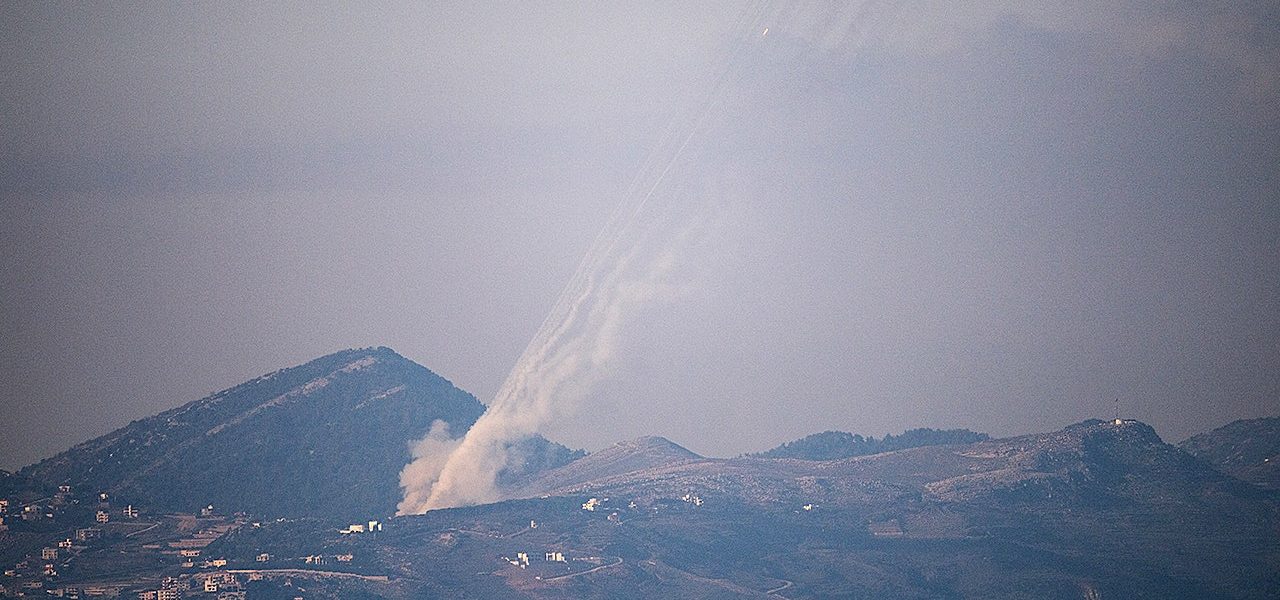
Hezbollah’s ‘Night Hunters’ Altering Regional Power Dynamics
POLICY WIRE — Beirut, Lebanon — Not since the advent of drones themselves has a new piece of hardware injected such a peculiar mix of dread and calculated advantage into the perpetually unstable...

POLICY WIRE — Beirut, Lebanon — Not since the advent of drones themselves has a new piece of hardware injected such a peculiar mix of dread and calculated advantage into the perpetually unstable Middle East. We’re talking about the whispers now turning into outright assessments, of Hezbollah’s so-called ‘night-hunting’ weapon. It isn’t just about another missile; it’s about shifting the nocturnal playing field entirely, forcing new calculations in the Pentagon and points east.
For decades, Israel has maintained an almost unchallenged qualitative military edge, particularly in air dominance and precision strikes. But reports surfacing from the Levant suggest a tectonic shift. It’s a new chapter, maybe a new book, in asymmetric warfare, observers note. Because this weapon, apparently, doesn’t just hit targets; it nullifies existing counter-measures after sundown. Think about that for a second. The night, traditionally a time for advanced militaries to press their technological advantage, could now become a liability for Israel, turning its long-held defensive postures into a game of reactive desperation.
This isn’t merely an upgrade; it’s being touted as something with a bigger ripple effect, truly game changing, if you ask certain expert sources. The capabilities involved allegedly punches through Israel’s defenses, according to some analyses circulating within security circles. If true—and the operational silence from both sides regarding specific incidents is, itself, telling—it represents a profound challenge to Israel’s sophisticated layered air defense systems. We’re not just talking about Iron Dome here, folks; it’s the whole interconnected digital shield that’s seemingly got a fresh vulnerability.
It’s like finding a ghost in the machine—an entity that moves unseen, operates unheard, and hits where it’s not supposed to. That’s a nightmare scenario for any defensive doctrine predicated on superior detection — and interception. The immediate implications for deterrence in the northern Israeli border are obvious. Hezbollah’s operational commanders, for their part, have yet to confirm anything publicly, maintaining a characteristic, almost unnerving, calm that often precedes significant strategic announcements—or simply, effective deployments.
But the murmurs from intelligence desks globally suggest a technology likely provided by Iran, which has steadily invested in its proxy networks across the region. Iran doesn’t just fund these groups; it equips them with ever-more sophisticated weaponry, effectively road-testing capabilities in live environments. This specific capability, whatever it entails—advanced thermal imaging bypass, active stealth coating, or perhaps an entirely new form of electronic warfare payload—marks a dangerous escalation in their ability to project power via non-state actors.
The mere rumor of such a system shifts perception, doesn’t it? It can affect market confidence, defense budgets, — and even international diplomatic postures. An Israeli security analyst, speaking on background, described the situation as [QUOTE_PLACEHOLDER]. But let’s be real, they’re probably holding their cards very close to their chest, especially if their technological edge really has been blunted.
And it’s not just Israel paying attention. Across the broader Muslim world, particularly in countries like Pakistan, military strategists and defense planners are watching closely. The lessons learned here about asymmetric capabilities against a technologically advanced foe are carefully studied, informing future procurement and doctrine development. Pakistan, itself, a nuclear power with complex regional security concerns and alliances, understands better than most the delicate dance of military parity and deterrence. An Iranian-backed non-state actor successfully challenging a top-tier military’s tech dominance provides an uncomfortable, yet fascinating, case study.
📄 POLICY WIRE WHITEPAPER PUBLISHED: PAKISTAN'S NATIONAL SECURITY POLICY PRIORITIES
👉 READ BY CLICKING HEREBecause when Iran’s proxies achieve such operational breakthroughs, it validates their strategy, encouraging further investment in unconventional warfare. You see, the cost disparity between building and deploying such a novel weapon system and maintaining the expensive, high-tech defense required to counter it’s often vast. For example, the approximate annual cost of maintaining Israel’s missile defense systems, including development and interceptor production, is estimated by regional defense think tanks to exceed $2 billion annually. That’s a colossal sum just to stay ahead—or at least, to keep up.
So, we’re left with this question: Is this Hezbollah’s own innovation, a piece of sophisticated engineering smuggled from further afield, or yet another jewel in Iran’s asymmetric crown? Whatever its origin, its impact is undeniable, casting a long, dark shadow over the skies of the Middle East.
What This Means
This reported new weapon system represents more than just another combat drone or rocket. It’s a strategic destabilizer. For Israel, it implies a forced re-evaluation of its long-standing doctrine of qualitative military superiority. They’ll have to invest even more heavily in countermeasures, potentially diverting resources from other critical areas or relying more on international aid.
Economically, persistent threats like this drive up insurance costs for shipping and travel in the region, deterring foreign investment. Militarily, it strengthens Iran’s hand significantly, granting its proxies a greater deterrent capability against Israel, which complicates any future Israeli offensive actions, and provides a powerful symbolic victory in the ongoing shadow war for regional influence. It shifts the geopolitical chess pieces on the board for the entire region.
This could also empower other non-state actors or smaller nations in the broader Muslim world to pursue similar asymmetric avenues, emboldened by the prospect of challenging conventional military power at a relatively low cost. It essentially levels the playing field in a dangerous, unpredictable way. Expect a new round of frantic technological development from Israel and its allies—and perhaps a reassessment of international diplomatic strategies toward groups like Hezbollah and their patrons, who have effectively showcased their evolving threat profile on the world stage.