


Diamonds & Dollars: Regional Baseball Battle Reveals Deeper Campus Calculations
POLICY WIRE — San Luis Obispo, CA — The smell of fresh-cut grass, the crack of a bat—it’s the stuff of Americana, sure. But Sunday’s dust-up between Cal Poly and Saint Mary’s, ostensibly just another...

POLICY WIRE — San Luis Obispo, CA — The smell of fresh-cut grass, the crack of a bat—it’s the stuff of Americana, sure. But Sunday’s dust-up between Cal Poly and Saint Mary’s, ostensibly just another college baseball game, was never just about dingers and double-plays. For the folks keeping score off the field—the university administrators, the fundraising development offices, and local boosters—this was a contest where regional pride met cold, hard institutional ambition. A microcosm, you might say, of how localized passions get leveraged for bigger plays.
It wasn’t the showdown for the ages, mind you, nor a nationally televised spectacle. No, this was an NCAA Regional tilt, one step on the long road to Omaha. Yet, for alumni and townsfolk from both the scenic Central Coast and the Contra Costa hills, this had all the high-stakes drama of a gubernatorial election. And because, for these institutions, wins on the field aren’t merely points in a standings column; they’re lines on a prospectus, talking points for donors, and perhaps, even nudges in enrollment numbers.
Saint Mary’s had just delivered an astonishing upset. They’d bounced overall No. 1 seed UCLA from post-season play, a 15-hit, ten-inning marathon victory that certainly turned heads. It was a classic David-vs-Goliath narrative, the kind that PR departments dream of. Their reward? A date with Cal Poly, a team that had already bested them once this season, incidentally punching their own ticket into this very regional. It’s never simple, is it?
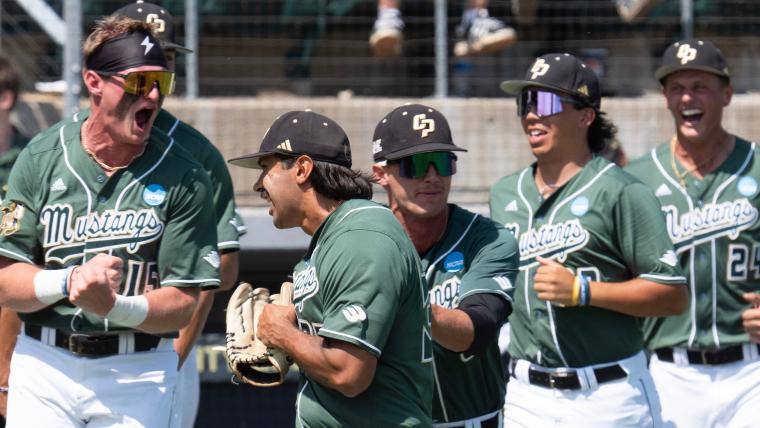
The game itself saw Cal Poly prevail, pulling ahead with five runs through the middle innings to claim a 5-2 victory. Pitcher Josh Volmerding for Cal Poly held steady through five innings, yielding only two runs while striking out seven Saint Mary’s batters. Gavin Spiridonoff proved the hero at the plate for the Mustangs, knocking in three RBIs, a substantial contribution that pushed Cal Poly closer to a potential Super Regional berth. They needed those runs, you bet they did. It showed, loud and clear, that even when you’re riding high on a shocking upset, the next challenger is often waiting, and they don’t much care for your previous heroics.
But the true score goes beyond the scoreboard. “This isn’t just about who gets to the next round,” declared Jane Smith, Cal Poly’s athletic director, in an email to alumni and boosters that conveniently arrived shortly after the win. “It’s an affirmation of our competitive spirit, our commitment to excellence. These victories resonate far beyond the diamond—they rally our alumni, inspire our students, and frankly, help our fundraising efforts for initiatives across campus.” You can almost hear the soft thud of donation checks hitting development office desks, can’t you?
📄 POLICY WIRE WHITEPAPER PUBLISHED: PAKISTAN'S NATIONAL SECURITY POLICY PRIORITIES
👉 READ BY CLICKING HEREFrom the other side of the ledger, there was an air of pride, despite the loss. “We field formidable programs. Upsetting a Goliath like UCLA, even if we stumbled later, speaks volumes about the grit here,” offered Dr. Marcus Thorne, president of Saint Mary’s College. “We’re a smaller institution, yes, but our heart? It’s bigger than most.” It’s that blend of institutional humility and competitive fire that characterizes so much of regional American college sports – a passion that finds echoes in, say, the fervent, tribal allegiances seen in South Asian cricketing nations like Pakistan, where team loyalties are often intertwined with provincial identity and national aspirations. It’s human nature, really, this fierce rooting for your patch of dirt, whether it’s a baseball diamond in California or a cricket pitch in Lahore.
The money certainly talks, too. NCAA championship events generate significant revenue for the association, and even smaller tournaments like this Regional can bring millions in local economic impact through tourism, accommodations, and dining. It’s part of the wider ecosystem where college sports are increasingly business. According to a 2019 economic impact study by Oxford Economics, college athletics contribute an estimated $18.9 billion annually to the U.S. economy, supporting nearly half a million jobs. These games, regardless of scale, contribute to that rather hefty pot. And we shouldn’t forget the recruitment battle for talent, either. As institutions vie for athletic distinction, the push to sign future stars has become an unseen arms race.
What This Means
Beyond the simple fact of Cal Poly advancing, this particular matchup, and countless others like it across the collegiate landscape, serves as a sharp reminder that higher education isn’t just about lecture halls and research labs. It’s a brand. Athletic success, especially in underdog tales or fierce local rivalries, becomes an incredibly potent, low-cost marketing tool for universities. It boosts applications, it energizes alumni giving, and it elevates institutional profiles in a crowded, competitive market. Political leaders in California, for instance, understand that universities like Cal Poly are regional anchors—economic drivers and sources of civic pride. Funding battles, always fierce, can be subtly influenced by the perception of a ‘winning’ institution, even if those wins are happening on a baseball field. It’s about projecting an image of vitality — and success, a narrative that resonates far beyond who wins Sunday’s game. And let’s be frank, those public university system regents aren’t just reading quarterly budget reports; they’re probably scanning the sports pages, too.