


Australia’s Housing Juggernaut Stalls, Rattling an Entrenched Obsession
POLICY WIRE — Sydney, Australia — The great Australian dream, once as sure as the sun rising over Bondi Beach, now feels a bit more like staring at an unlit fuse. For years, folks here treated real...

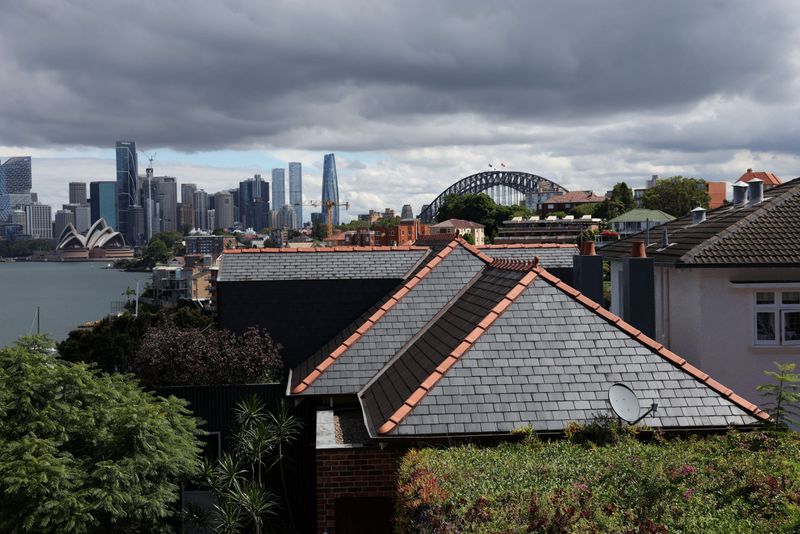
POLICY WIRE — Sydney, Australia — The great Australian dream, once as sure as the sun rising over Bondi Beach, now feels a bit more like staring at an unlit fuse. For years, folks here treated real estate less like a shelter and more like a national sport, a seemingly endless upward climb. But May saw the property price index merely shrug—a statistical flatline that, after a record-breaking sprint, landed with a disconcerting thump.
It’s not a crash, not yet anyway. It’s a pause—a collective holding of breath as the economic air thins. After punching out two consecutive months of record gains, Australia’s housing market inched forward by an anemic 0.04% in May, barely above zero, effectively stationary. That’s hardly the thunderous roar property owners have grown accustomed to, the one that makes everyone feel just a little richer, just by virtue of owning a postcode.
The Reserve Bank of Australia (RBA) has been working diligently, if unpopularly, to take the fizz out of the economy, having hiked its cash rate to a 12-year high of 4.35% in November. That’s been a cold splash of reality on borrowers, turning once-affordable mortgages into budget-busters for many a household. But it’s not just the interest rate tap getting tighter; there’s a wider unease creeping in.
“We’re navigating incredibly choppy waters, and frankly, anyone expecting plain sailing is delusional,” asserted Australian Treasurer Jim Chalmers recently, reflecting on the nation’s broader economic outlook. “The market is repricing risk, — and that includes housing. Our job isn’t to guarantee eternal capital gains; it’s to stabilize the ship.” His words aren’t exactly balm for a nation steeped in property euphoria.
Because, for so long, real estate here seemed immune to global worries. Yet, the current slowdown echoes concerns seen elsewhere. Wealthy investors from places like Pakistan, for instance, who’ve traditionally looked to stable economies like Australia for asset diversification, might now be recalibrating. If their capital isn’t seeing the easy double-digit returns they’ve come to expect, they’re going to look elsewhere—or hold cash, at least for a while. It’s a domino effect, a subtle shift in international capital flows that can chip away at perceived stability, one that isn’t always evident on a balance sheet immediately.
Developers are watching with trepidation, homebuyers with a mix of cautious hope — and stark fear. The national vacancy rate still hovers around record lows, which theoretically should keep prices buoyant. But you can’t buy property with theoretical buoyancy. You need cold, hard cash, or a loan that won’t bankrupt you.
📄 POLICY WIRE WHITEPAPER PUBLISHED: PAKISTAN'S NATIONAL SECURITY POLICY PRIORITIES
👉 READ BY CLICKING HERE“The buying frenzy’s certainly taken a timeout, and that’s probably a healthy thing in the long run, even if it feels jarring to many,” opined Jane Harper, CEO of Aussie Housing Trust, a major real estate investment firm. “Buyers aren’t rushing blind into bidding wars anymore. They’re weighing up their finances, considering job security, and, frankly, scrutinizing whether their pay packet will even cover the interest on that dream home. That means tougher negotiations, but also a more sustainable path ahead. Potentially.”
And so, after years of giddy ascension, the country’s real estate behemoth seems to be merely lumbering along, wondering if this pause is just a breather before another climb, or a longer, more contemplative stretch. But one thing’s for sure: the old rules—that property always goes up—they’re feeling a touch wobbly these days.
What This Means
This market stagnation signals a deeper realignment in the Australian economy, and its impact isn’t just about whether your house gained a few more zeroes. Economically, it could put a serious crimp in consumer confidence, particularly for those whose net worth is heavily tied to property. We’ve become a nation of property magnates (or so we’ve told ourselves); a static market affects everyone’s sense of financial well-being. It dampens retail spending, potentially impacts jobs in construction, — and sends a chill through ancillary industries.
Politically, the government, already battling a cost-of-living crisis, won’t welcome any further hits to household wealth. High housing costs were a political hot potato before, promising to squeeze affordability. Now, static prices don’t automatically mean better affordability if interest rates keep marching upwards. The opposition will be quick to frame this as further evidence of economic mismanagement. Global economic headwinds are very real, of course, but voters tend to blame those in power regardless. For the countless Australians who’ve used their homes as ATMs for everything from renovations to kids’ education, this slowdown demands a harsh reappraisal of their financial strategies. It’s a dose of economic sobriety for a nation perhaps a little too long intoxicated by the real estate boom.