

Desert Playground Peril: New Mexico Incidents Strain Scarce Resources
POLICY WIRE — Albuquerque, United States — When the sun dips low over the Rio Grande Valley, painting the sky in fiery hues, many folks head out to the backcountry, looking for a bit of escape. It’s...

POLICY WIRE — Albuquerque, United States — When the sun dips low over the Rio Grande Valley, painting the sky in fiery hues, many folks head out to the backcountry, looking for a bit of escape. It’s a cherished pastime for sure, but sometimes, that pursuit of thrill comes with a steep price, hitting smaller communities where it hurts most: their emergency services. A day meant for off-road adventure can flip into a desperate scramble for aid, laying bare the razor-thin margin many rural first responders operate within. It isn’t just about fun, is it? It’s about risk management—personal and public.
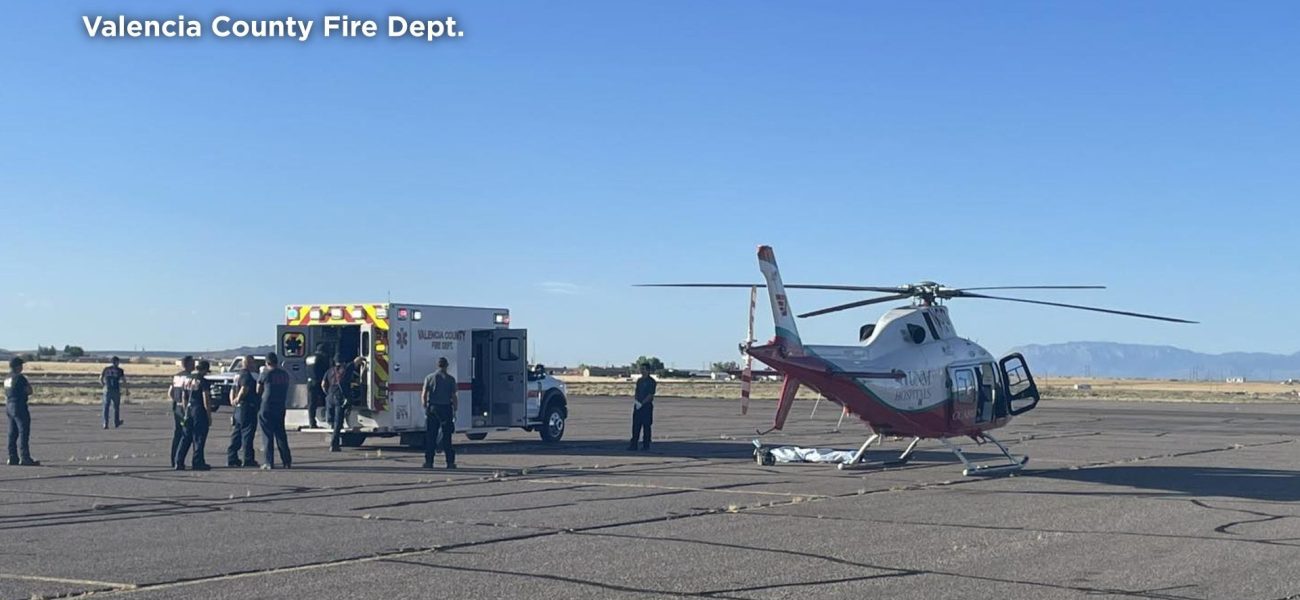
But that’s exactly what played out recently, twice in a single stretch of daylight, right in the heart of Valencia County, New Mexico. The Valencia County Fire Department—they’re the ones on the ground, mind you—found themselves grappling with multiple accidents involving all-terrain vehicles (ATVs) and utility task vehicles (UTVs). Think about the drain on personnel — and equipment when one incident quickly follows another. It’s not a situation any jurisdiction wants, especially not with the costs associated with it all.
The first call of consequence brought their crews to the Rio Puerco area after [QUOTE_PLACEHOLDER] in what was described as a serious UTV crash. You’ve got to wonder what happened out there, how fast they were going, or if they knew the terrain. Consequences mounted quickly: [QUOTE_PLACEHOLDER]. They didn’t take any chances; [QUOTE_PLACEHOLDER], which implies the kind of dire scenario nobody hopes for. Meanwhile, [QUOTE_PLACEHOLDER]. So, within minutes, two critically injured adults are tearing through the sky and pavement towards specialized trauma care.
And here’s where it gets really gnarly: this wasn’t an isolated event. This incident alone wasn’t even their biggest headache that day. The fire department confirmed it was [QUOTE_PLACEHOLDER], adding to the already immense pressure. Earlier on, responders had been called to [QUOTE_PLACEHOLDER]. Let that sink in. Two children, seriously hurt, needing hospitalization after a recreational outing went sideways. It paints a pretty grim picture of a particular Sunday. One of our recent Policy Wire investigations, Chemotherapy’s Reckoning: Millions May Sidestep Harsh Treatment’s Grip, discussed serious medical issues, but even everyday recreational mishaps like this demand intense, specialized medical attention.
Because these machines are designed for rugged terrain — and speed, accidents can quickly turn catastrophic. The advice from the fire department sounds a lot like common sense, doesn’t it? They’re urging riders to [QUOTE_PLACEHOLDER]. But clearly, that common sense often takes a backseat when the throttle’s open. For instance, data from the U.S. Consumer Product Safety Commission consistently shows thousands of ATV/UTV-related injuries and hundreds of fatalities annually, with a significant percentage involving children.
We often look at these incidents through a purely Western lens, focusing on American leisure and personal responsibility. But consider how these safety conversations reverberate globally. In countries like Pakistan, for example, motorcycles and three-wheelers, which share some operational similarities with ATVs/UTVs in their open-air nature and often serve as both essential transport and recreational vehicles, face similar — and sometimes far more dire — safety challenges due to varying enforcement, road conditions, and widespread availability of protective gear. The implications for public health infrastructure, resource allocation, and preventive messaging are universal, crossing cultural and economic divides.
📄 POLICY WIRE WHITEPAPER PUBLISHED: PAKISTAN'S NATIONAL SECURITY POLICY PRIORITIES
👉 READ BY CLICKING HEREIt’s an interesting parallel, isn’t it, when the infrastructure of safety and medical response is stretched thin, whether in a high-income nation’s rural desert playground or a densely populated South Asian urban center. The underlying pressure on first responders—the exhaustion, the cost, the sheer logistics of it all—remains. We don’t talk enough about what that means for everyone, do we?
What This Means
These seemingly localized incidents in Valencia County don’t just register as unfortunate mishaps; they represent a recurring stressor on New Mexico’s public safety infrastructure, echoing issues seen in rural communities across the U.S. The political implications are pretty clear: how do state and county governments fund adequate emergency services when these calls keep mounting? We’re talking about costly helicopter airlifts, specialized trauma teams, and continuous training for responders, all funded by local taxpayers or federal grants that are never quite enough. It’s an economic squeeze.
There’s also the policy discussion around off-road vehicle regulations. Current statutes—if they exist or are enforced—might need a facelift. Should there be stricter age limits? Mandatory training courses? Maybe stiffer penalties for ignoring safety guidelines? And what about public awareness campaigns that actually land with folks, especially those parents allowing their children on these powerful machines? The tourism angle is also something to ponder; while off-roading contributes to some local economies, a reputation for high accident rates isn’t exactly good for business.
But it’s not just about legislative tweaks; it’s a culture shift we’re probably wrestling with. The thrill of freedom versus the stark reality of severe injury. How much is individual liberty worth when the community has to foot the bill for rescue — and rehabilitation? That’s the unspoken question hanging in the dusty air of Valencia County. This isn’t just about two separate incidents; it’s a stark reminder of systemic vulnerabilities. It makes you think, doesn’t it? About responsibility, about oversight, — and about the human cost when leisure takes a dangerous turn.