


Detroit’s Roar: Pole Position Echoes Deeper Urban Tides
POLICY WIRE — Detroit, United States — For a moment, let’s forget the sheer mechanical ballet, the G-forces, or Alex Palou’s undeniably slick triumph on Detroit’s unforgiving...

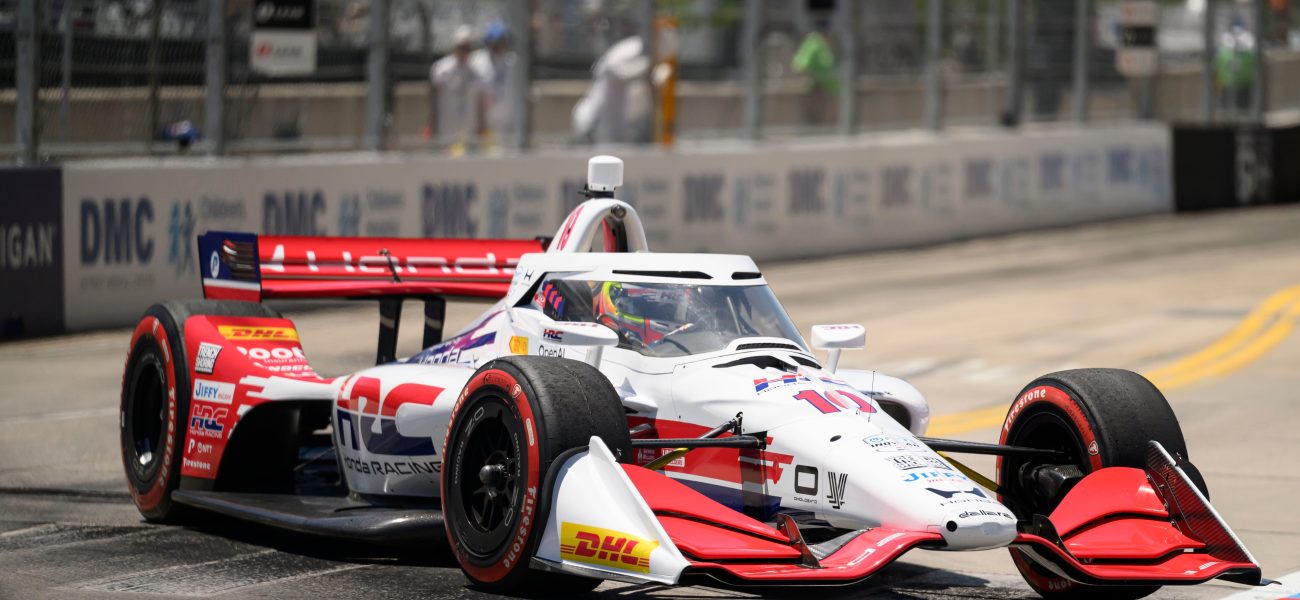
POLICY WIRE — Detroit, United States — For a moment, let’s forget the sheer mechanical ballet, the G-forces, or Alex Palou’s undeniably slick triumph on Detroit’s unforgiving downtown asphalt. Forget the dizzying 173 overtakes or the seven lead changes, thrilling as they were for the weekend warriors of speed. Because what truly reverberated across the re-energized motor city Sunday wasn’t just the screech of tires, but the distinct, if often unheard, hum of economic recalibration and the quiet machinations of urban resilience.
It wasn’t a race for the faint of heart, or for the academically inclined seeking polite turns. Palou, for Chip Ganassi Racing, didn’t just win; he executed a clinical dissection of a notoriously bumpy, nine-turn street circuit, grabbing the pole and, after a canny pit stop under caution, securing his position for a second time in four years. He’s good. Really good. He’s stacked up four wins this season, a hell of a run. But the victory lap around a rebounding urban core speaks to more than just athletic prowess or precision engineering.
“Look, this race isn’t just about speed anymore; it’s about signaling,” declared Martha Thompson, Detroit’s Assistant Director for Economic Development, over the faint, distant drone of post-race clean-up. Her voice, hoarse but enthusiastic, cut through the residual clamor. “Every time those cars zip past Cadillac Square, past our restored buildings, past our new tech hubs—it’s a global advertisement. We’re telling everyone we’re back, we’re open for business, — and we know how to put on a show.”
Indeed. This fourth iteration of the Grand Prix on its 1.7-mile downtown course feels less like an isolated sporting event and more like a carefully staged performance of municipal recovery. After years of hard knocks, the city’s narrative isn’t just about gritty determination—it’s now about strategic integration into the national and international imagination. But that doesn’t mean it’s all smooth sailing. Kyle Kirkwood, last year’s winner, trailed Palou by a mere 3.0584 seconds. Graham Rahal claimed third, demonstrating just how tight these margins are, how quickly fortunes can flip.
“We’ve seen significant investment flood back into the heart of this city, and events like the Grand Prix solidify that perception, driving both direct spending and invaluable media exposure,” noted Dr. Alistair Finch, an urban policy analyst. His numbers don’t lie: an independent study estimated that the Detroit Grand Prix generated an economic impact exceeding $58 million for the local economy in 2023. That’s real money, shaping jobs, revitalizing neighborhoods. And it’s a statistic that few other urban events can genuinely claim to rival on such a condensed timetable.
What This Means
📄 POLICY WIRE WHITEPAPER PUBLISHED: PAKISTAN'S NATIONAL SECURITY POLICY PRIORITIES
👉 READ BY CLICKING HEREThis race, as exciting as it was, functions as a political barometer, a fiscal thermometer for an American urban center striving to redefine itself. For years, Detroit wrestled with the ghost of industrial decline, manufacturing shifts that had broad repercussions, even in distant markets. Now, it showcases a different sort of export: image. The meticulous ballet of IndyCar racing—where teams from across the globe descend, technicians troubleshoot with precision, and logistics are timed to the nanosecond—mirrors the aspirations of a city reinventing its own, more nuanced economy. It’s no longer solely about stamping out millions of identical internal combustion engines; it’s about a more complex, agile industrial landscape. This focus on high-performance display, almost a supercar splurge, illustrates a shift in capital—from mass production to targeted, high-end consumer experiences.
And consider the optics: a high-stakes, international competition unfurling on streets that once embodied American industrial might, then, tragically, decline. It suggests a certain robustness. While we watch the spectacle in Detroit, countless communities in the developing world, from bustling Lahore to burgeoning industrial zones across Malaysia, also eye this form of international capital, dreaming of the same investments, the same logistical prowess, the same spotlight that Detroit now commands with increasing confidence. Many in the Muslim world, with burgeoning middle classes, look towards such leisure spectacles and advanced technology, dreaming of what they might import, or one day, create.
Because ultimately, when you boil down the political economy, a Grand Prix in Detroit isn’t just about a driver’s raw talent. It’s about a city saying, “We’ve got infrastructure that works, a renewed energy, and we can attract global attention.” They’re selling a vision—one where policy decisions, investment gambles, and sheer persistence coalesce into something tangibly impressive. The finish line in Detroit, therefore, wasn’t just a place where Alex Palou secured points; it was a bold statement, laid out in oil and rubber, for a city determined to race forward.