


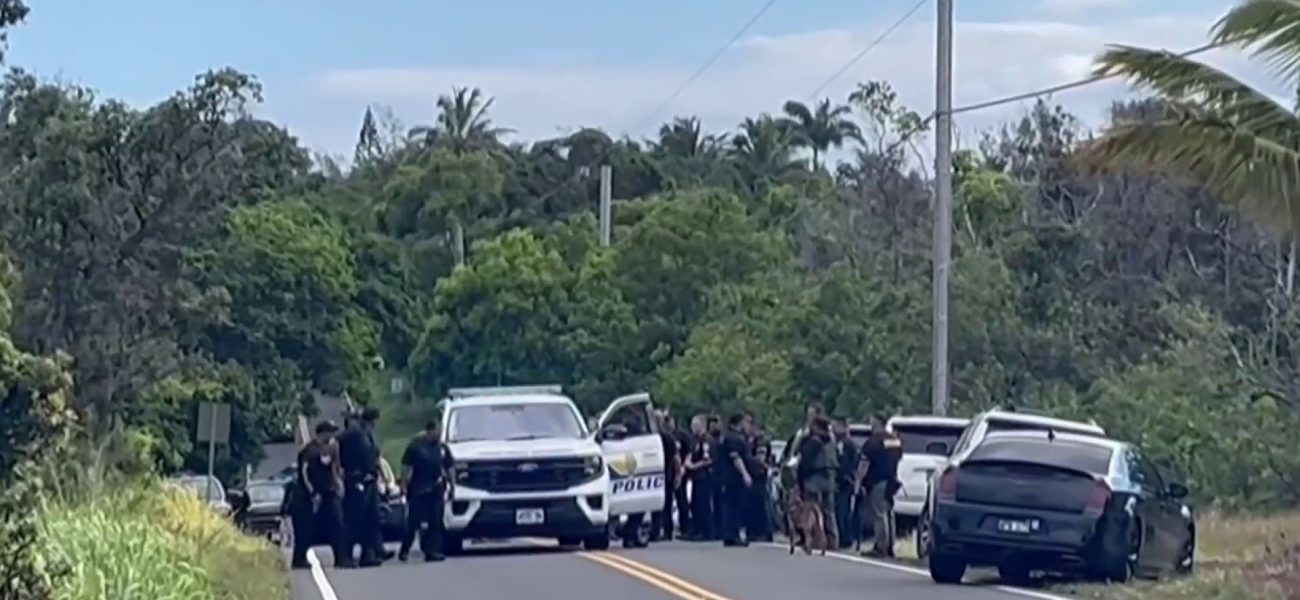
Paradise’s Peril: Aloha State Grapples with Aftermath of Triple Homicide Arrest
POLICY WIRE — Honolulu, USA — Beneath the postcard-perfect facade of Oahu’s sun-drenched shores, a far less picturesque reality recently unfurled. It’s not the crashing waves that...

POLICY WIRE — Honolulu, USA — Beneath the postcard-perfect facade of Oahu’s sun-drenched shores, a far less picturesque reality recently unfurled. It’s not the crashing waves that dominate local discourse right now, but the unsettling silence left in the wake of unspeakable violence, and the subsequent efforts by local law enforcement to restore a semblance of order to a rattled community. One could almost feel the collective sigh of relief, though perhaps not deep enough, when news broke of a development in a case that had already cast a long shadow over the island’s celebrated tranquility.
For months, a quiet dread had permeated the usually buoyant atmosphere, exacerbated by whispers and unanswered questions regarding a series of deaths that felt out of place, almost an affront to the very essence of aloha. And so, when word filtered out that the Hawaii police had indeed ‘arrested suspect’ [QUOTE_PLACEHOLDER] connected to three deaths, the relief was palpable but tinged with a grim reminder: even paradise isn’t immune to its own unsettling truths. This wasn’t merely a statistic; it was a rupture in the perceived idyllic fabric of island life.
Because, let’s be honest, few visitors — or residents, for that matter — come to Hawaii expecting to contemplate the intricacies of criminal justice systems. They expect sunsets, luaus, and surf. But behind the brochures, state governments wrestle with prosaic matters: budgets, policing, and ensuring public safety, often against a backdrop of dwindling resources and rising expectations. This particular incident, still shrouded in the specifics only ongoing investigation can reveal, brings into sharp focus the vulnerabilities that lie just beneath the surface of any community, however exotic or seemingly remote.
The authorities have remained tight-lipped on most details, a standard practice meant to protect the integrity of the investigation, naturally. What we do know is that a complex web of evidence, detective work, — and forensic science culminates in such arrests. The implication of a single individual being ‘linked to three deaths’ [QUOTE_PLACEHOLDER] suggests a grim proficiency, an unsettling echo in a place globally renowned for peace, not pervasive peril. It’s enough to make one wonder about the subtle shifts in social dynamics, even in places many imagine untouched by the urban woes of the mainland.
It’s not just a domestic issue, mind you. Think about it: an incident of this magnitude in a global tourism hub like Hawaii resonates far beyond its shores. Much like the careful monitoring of Tokyo’s geopolitical dance, or Karachi’s ongoing struggle with maintaining urban security amidst rapid growth and diverse populations, such events spark uncomfortable conversations about safety perception. They ripple through travel advisories, impact future bookings, and — in the extreme — can even reshape diplomatic soft power, though perhaps not in Hawaii’s immediate case. But the perception of safety is fragile; once broken, it’s devilishly hard to repair.
But the island doesn’t just halt, does it? The daily grind continues. Hotels remain open, tour buses ply their routes, and the local businesses, ever reliant on the influx of dollars, soldier on, trying to project an unwavering normalcy. Still, there’s an undercurrent. According to data from the Hawaii Department of Business, Economic Development and Tourism, overall visitor arrivals dipped by approximately 3.5% last quarter, a decline that industry analysts are nervously attributing, in part, to negative perceptions exacerbated by localized crime headlines. Not a direct cause-and-effect, granted, but public perception is a potent, if nebulous, force.
📄 POLICY WIRE WHITEPAPER PUBLISHED: PAKISTAN'S NATIONAL SECURITY POLICY PRIORITIES
👉 READ BY CLICKING HEREThe arrest, therefore, is more than a legal formality. It’s an urgent political declaration: the state can and will pursue justice, even when it interrupts the otherwise flawless Instagram feed of its brand. It’s a message intended for tourists — and residents alike. It aims to shore up confidence, to suggest that aberrations are precisely that—aberrations—and not harbingers of a broader decline in safety. This message, however, must be continuously reinforced by action, because in a world hyper-connected by information and disinformation, perceptions are shaped by far more than official press releases.
What This Means
This arrest, while providing a degree of closure for some, represents a significant moment for Hawaii’s policy makers and economic planners. Economically, the state’s almost singular reliance on tourism means that even isolated high-profile crimes can trigger disproportionate impacts. A sustained downturn in tourism revenue due to safety concerns could severely strain public services, potentially leading to budget cuts in areas like education or infrastructure, thus creating a challenging feedback loop. You’re talking about direct effects on thousands of jobs, from hotel staff to surf instructors, not to mention indirect impacts on small businesses.
Politically, the focus shifts to accountability — and prevention. There’s pressure on local law enforcement agencies to demonstrate effectiveness not only in solving crimes but in deterring them. This could manifest in increased calls for police funding, technology upgrades, or community policing initiatives. But also, it shines a harsh light on any systemic issues that might contribute to such incidents—mental health support, socioeconomic disparities, or even drug-related challenges. Officials will be under the microscope, their rhetoric scrutinised for assurances, their budgets debated for allocation effectiveness. For communities globally, from Manila to Mumbai, the quest for safety against criminal elements, particularly those shattering societal norms, remains a core responsibility of governance. Hawaii’s challenge now is to navigate this treacherous policy terrain while maintaining its precious global image as a haven.