


Inferno’s Embrace: Human Hand, Parched Earth Forge Relentless New Mexico Blaze
POLICY WIRE — Capitan Mountain, New Mexico — There’s something distinctly unsettling about watching an untamed inferno, the kind that swallows tens of thousands of acres with a shrug, and knowing it...

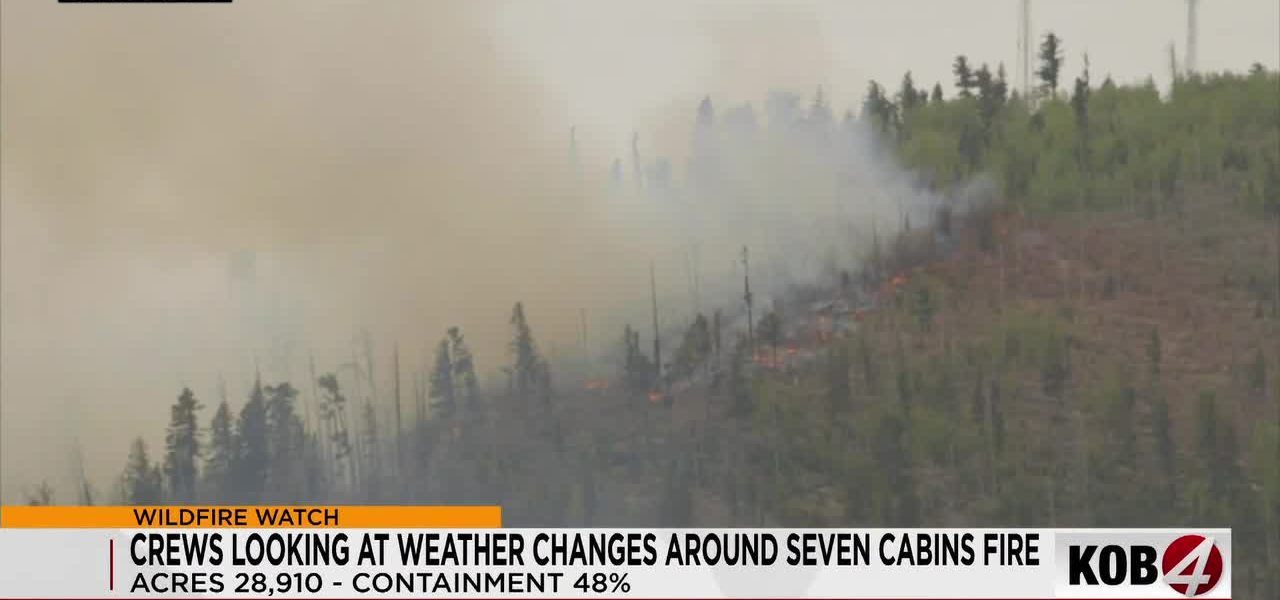
POLICY WIRE — Capitan Mountain, New Mexico — There’s something distinctly unsettling about watching an untamed inferno, the kind that swallows tens of thousands of acres with a shrug, and knowing it started with a slip of human judgment. The Seven Cabins Fire, sprawling across the unforgiving high desert terrain of New Mexico’s Capitan Mountain Wilderness, isn’t just a wildfire; it’s a brutal, real-time seminar on a planet grappling with increasingly hostile elements.
It began May 14, an innocuous spark becoming a sprawling nightmare. And today, despite the herculean efforts of 841 personnel—a veritable small army fighting a relentless enemy—it gnaws at nearly 29,000 acres of forest and scrub. Containment, they say, hovers at 48 percent. Sounds decent, until you remember what 52 percent still means when hot, dry winds whisper across tinder-dry fuel beds, leaving communities holding their breath. It’s a white-knuckle waiting game, isn’t it?
“We’re fighting more than just flames here; we’re fighting atmospheric conditions that stack the odds against us daily,” stated Captain Eliza Ramirez, Incident Commander for Southwest Area Incident Management Team 2, her voice raspy from smoke and exertion. “It’s one step forward, often two steps back when the mercury climbs and the humidity drops like a stone.” Yesterday, humidity plummeted to a desert-like 15 percent, a figure starkly mirroring projections from the National Weather Service for the coming days, with predictions of 10 percent humidity on the horizon. Not ideal for a firefighting crew.
Crews are out there, working brutal shifts, rehabbing fire lines, ferrying out unused equipment, even preparing to reseed scorched earth — because, at some point, this inferno will tire. But its current fury is being stoked by relentless forecasts for hotter, drier weather. Officials point to the Peppin burn scar, a stark reminder of a previous catastrophe, as an area where fuels can dry out in the blink of an eye, just waiting for the next errant ember.
A forest closure clamps down across the Capitan Mountain area, a perimeter stretching south — and east of Highway 246. Baca campground’s shut. Stage 1 fire restrictions remain firmly in place. And then there’s the whole Temporary Flight Restriction over the area, a critical airspace protected for firefighting aircraft. You get a drone in there? Grounding happens. Everything stops. The stakes, clearly, couldn’t be higher. Because sometimes, human curiosity or plain recklessness proves to be a heavier burden than the inferno itself.
Evacuation statuses, those gut-wrenching ‘SET’ advisories, are under constant scrutiny for the Fort Lone Tree area down to Padilla Ranch, and along State Highway 246. Residents there know what it means: bags packed, tanks full, ready to bolt. The air itself is a constant reminder—smoke may be limited to areas near the fire for now, but as temperatures tick up, and those bone-dry fuels combust, it’ll undoubtedly creep. This isn’t just about structures; it’s about lungs, — and peace of mind.
📄 POLICY WIRE WHITEPAPER PUBLISHED: PAKISTAN'S NATIONAL SECURITY POLICY PRIORITIES
👉 READ BY CLICKING HERE“What we’re witnessing in New Mexico isn’t an isolated incident; it’s a terrifying dress rehearsal for a hotter future across the globe,” warned New Mexico Governor Michelle Lujan Grisham, addressing reporters earlier this week, albeit on another matter. “The data on climate change is irrefutable. Our fire seasons are longer, more intense, — and demanding unprecedented resources. We can’t just react; we have to adapt, invest, and pray less human error plays into these scenarios.” Her words ring particularly true now, an eerie premonition for the Seven Cabins crews.
What This Means
The Capitan Mountain blaze is more than a local disaster; it’s a policy challenge written in ash — and smoke. Its ‘human-caused’ genesis immediately sparks a wider, often fraught, debate about personal responsibility versus systemic climate vulnerabilities. On one hand, it’s about common sense—don’t start fires. On the other, it’s about a planetary fever pitch, where a stray spark finds conditions so receptive it becomes unstoppable. The very act of firefighting, incredibly heroic as it’s, distracts resources, not just financial but human, from other critical issues. The sheer volume of personnel and equipment speaks to a scale of emergency that’s become depressingly routine in the American West.
But this narrative extends far beyond the Pecos wilderness. This brutal warming, this increased propensity for extreme fire events, is a shared global burden. The dry tinderbox conditions aren’t unique to New Mexico; they echo the scorched earth tales now common from Australia’s bush to Pakistan’s climate-ravaged plains, where record heatwaves aren’t anomalies but grim new norms, leading to devastating agricultural losses and human displacement. Consider how even seemingly distant events, like the global energy market instability discussed in recent Policy Wire pieces like “Silent Surge: World’s Oil Vaults Emptying,” indirectly feed into this, through fossil fuel dependence and the spiraling costs of mitigation and adaptation. Until we address both the immediate causes and the broader climate context, these fiery spectacles will remain a chilling, annual ritual.
The question for policymakers, for residents, for anyone watching these plumes from a safe distance, isn’t if it happens again, but when, and how much hotter the stage will be.